
Two Days of Porto Museums, Churches and Neighbourhood Walks
A logistics-first 2-day Porto culture itinerary covering museums, churches, and neighbourhood walks with transit, timings, and meal stops.
- Written by
- Miguel Enes
- Published
- Reading time
- 12 min read
Miguel Enes — More than 15 years building software and turning complex systems into simple, reliable guest-facing tools.
Day 1 Morning: São Bento, Clérigos and the Cathedral Quarter
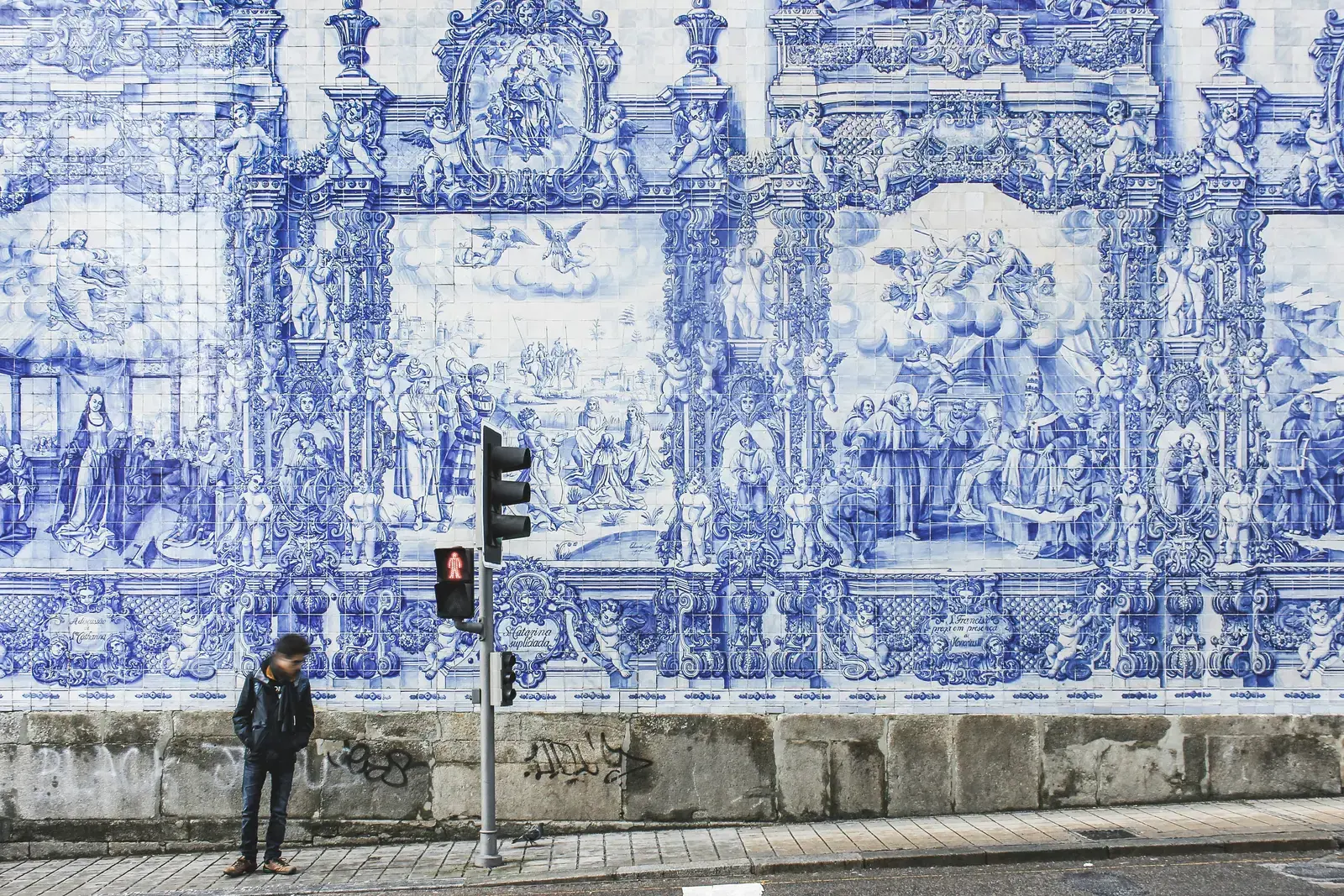
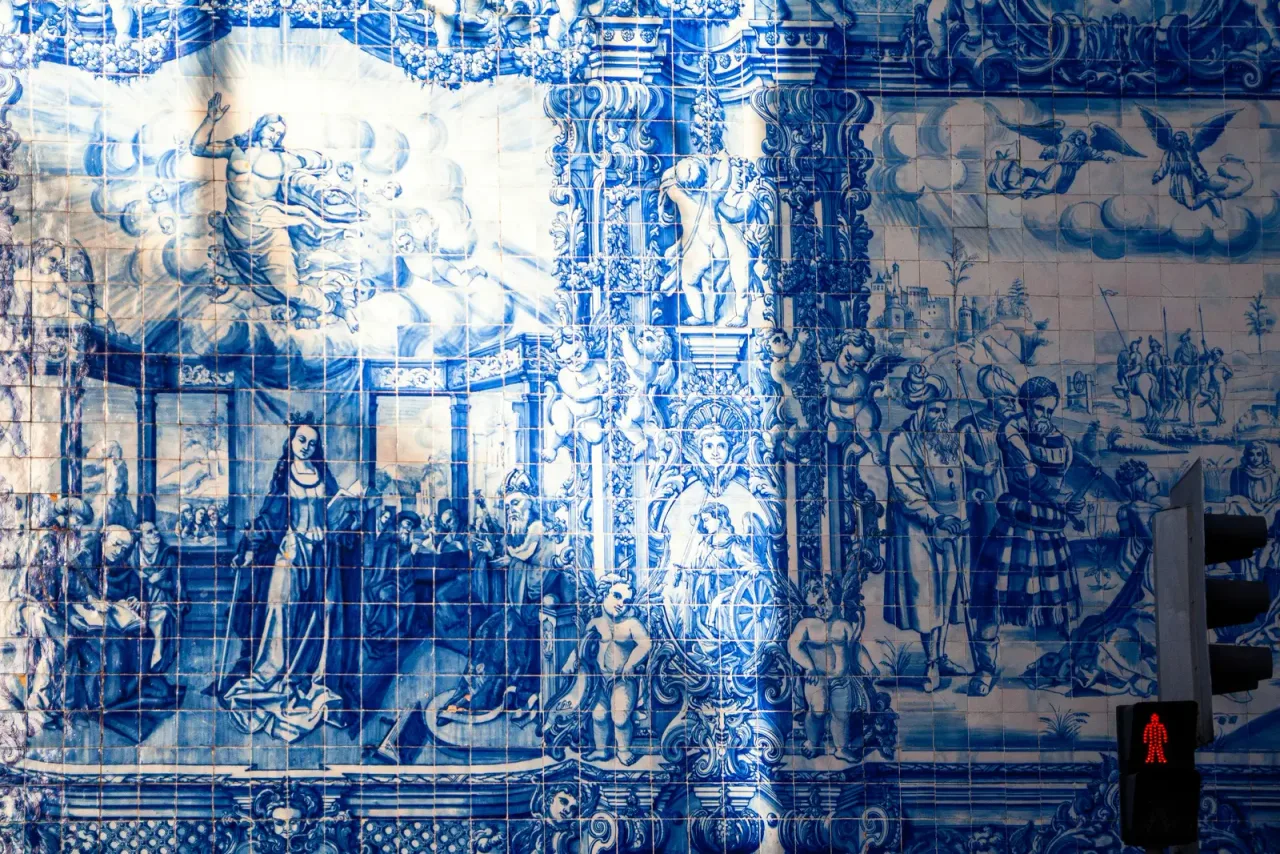
Start your first day at São Bento Railway Station, arriving by metro (lines A, B, C, E, F; stop São Bento). Spend 20 minutes inside the main hall studying the 20,000 azulejo panels by Jorge Colaço that depict Portuguese history and daily life. The station opens at 6:00, so an 8:30 arrival avoids crowds. The panels cover scenes from the Battle of Valdevez to the conquest of Ceuta, and the lower panels show rural life and transport. Stand in the centre of the hall for the best view of the entire composition. The station was built on the site of a former Benedictine monastery, and the panels were installed between 1905 and 1916. The tiles are painted in blue and white, typical of the period, and include allegorical figures and historical events. The station is a working transport hub, so you can also buy a ticket for later travel or check the departure boards.
Walk five minutes uphill on Rua de São Sebastião to Porto Cathedral (Sé do Porto). Enter through the Gothic rose window portal; the cloister is covered in 18th-century azulejos showing biblical scenes. Allow 30 minutes. From the cathedral terrace you see the Douro River and Gaia's port lodges. Continue north on Rua de D. Hugo to the Terreiro da Sé square, where you can join a Porto azulejos architecture walk that covers the cathedral and nearby tiled facades. The walk typically includes the Church of Santa Clara and the Casa dos Maias, both with significant tile work. The cathedral itself was built in the 12th century and has been modified over the centuries, with a Romanesque core and Gothic and Baroque additions. The silver altarpiece in the chapel is a notable feature. The cloister is accessed through a separate entrance and requires a small fee, but the nave is free. The square in front of the cathedral often has street musicians and vendors selling crafts.
Day 1 Midday: Clérigos Tower and Livraria Lello
Walk ten minutes west on Rua das Flores to Clérigos Tower. The tower is 75 metres tall; climb the 240 steps for a 360-degree view over the old city. The church below is free to enter, but the tower requires a ticket (buy online to skip queues). Plan 45 minutes total. On clear days you can see the Atlantic Ocean and the Douro Valley. The tower was built between 1754 and 1763 by Nicolau Nasoni, an Italian architect who worked extensively in Porto. The church of Clérigos is a Baroque masterpiece with an oval floor plan and a richly decorated interior. The tower is the tallest in Portugal and has become a symbol of the city. The climb is steep but manageable, with several landings where you can rest. The view from the top includes the river, the sea, and the surrounding hills.
From Clérigos, walk two minutes north on Rua dos Clérigos to Livraria Lello. The bookstore opens at 9:00 but queues form early; visit around 11:30 on a weekday. The Art Nouveau interior with its stained-glass ceiling and grand staircase is worth the entry fee (redeemable against book purchases). Spend 20 minutes inside, then exit onto Rua das Carmelitas. For lunch, walk five minutes to Rua de Cedofeita, where several tascas serve a prato do dia for around €10. Try Rua de Cedofeita 342–348 for a quick bifana or francesinha. The area also has several bakeries selling pastéis de nata. Livraria Lello was founded in 1906 and is one of the oldest bookstores in Portugal. The staircase is a masterpiece of carved wood and leads to the upper floor, where rare books are displayed. The ceiling has a stained-glass skylight with the bookstore's motto. The store is often crowded, so patience is required. After lunch, you can explore the shops on Rua de Cedofeita, which include art galleries and boutiques.
Day 1 Afternoon: Soares dos Reis National Museum and Jardins do Palácio
After lunch, take the 200 bus from stop Cordoaria (Rua de O Primeiro de Janeiro) to the Soares dos Reis National Museum (stop Palácio de Cristal). The museum houses Portuguese sculpture and painting from the 19th and 20th centuries, including works by Soares dos Reis and Silva Porto. Allow 1.5 hours. The museum is closed on Mondays. The building itself is a neoclassical palace built in the 19th century, with high ceilings and parquet floors. The collection includes furniture, ceramics, and silverware from the same period. The museum is named after the sculptor António Soares dos Reis, whose most famous work, O Desterrado (The Exiled), is on display. The painting collection includes works by artists such as Henrique Pousão and Aurélia de Sousa. The museum also has a section dedicated to decorative arts, including Portuguese faience and glassware. The gardens around the museum are pleasant for a stroll.
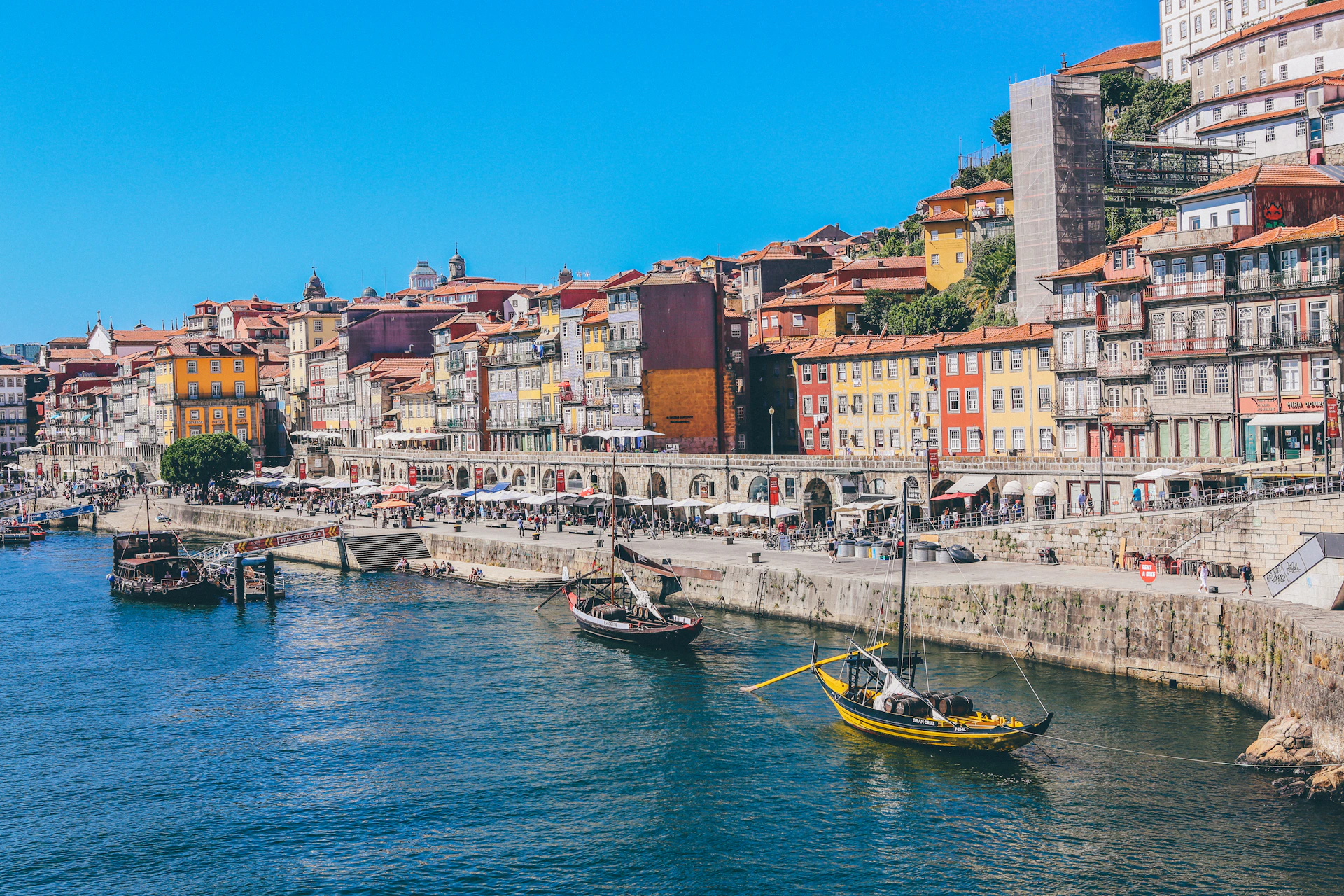
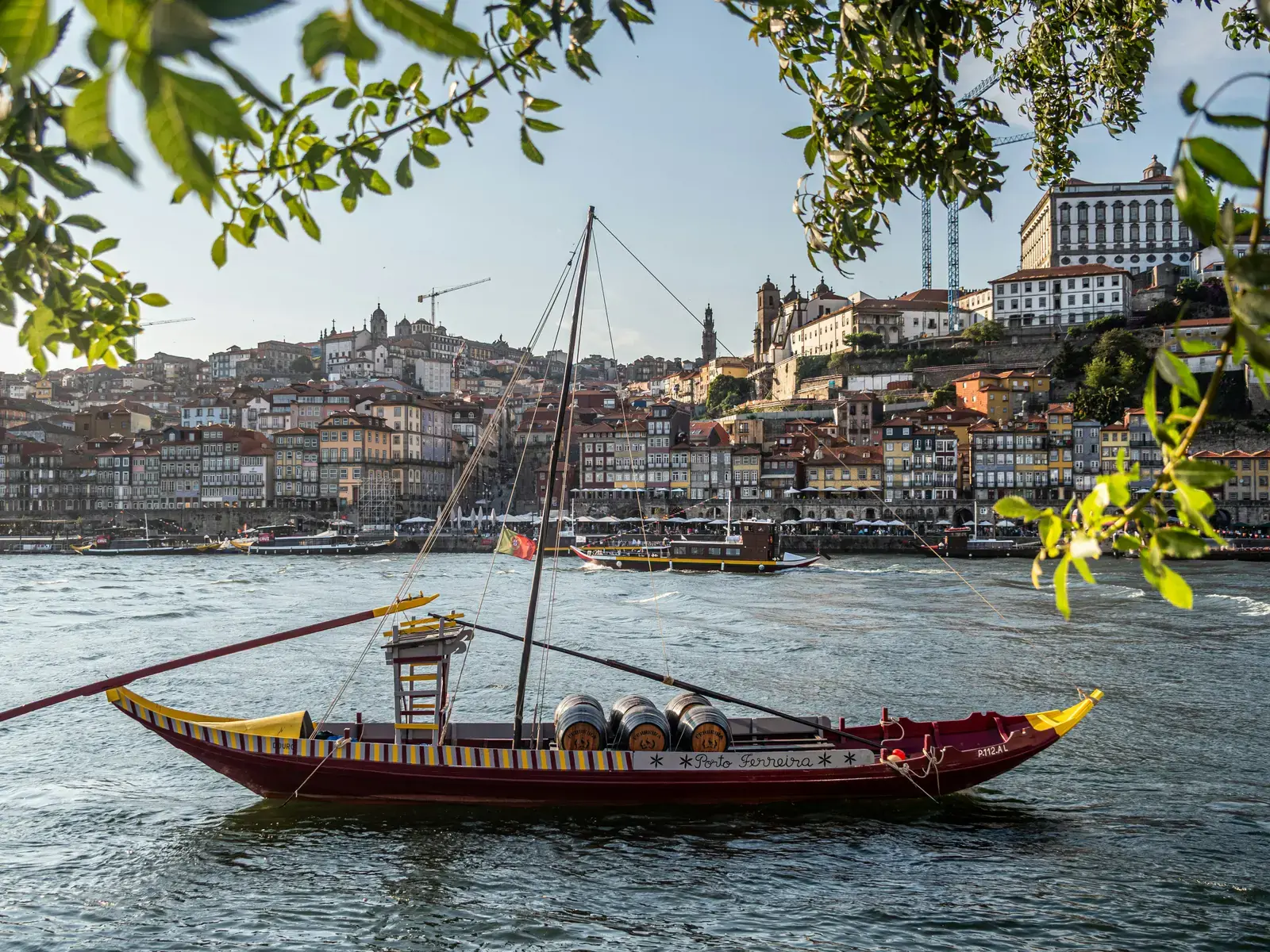
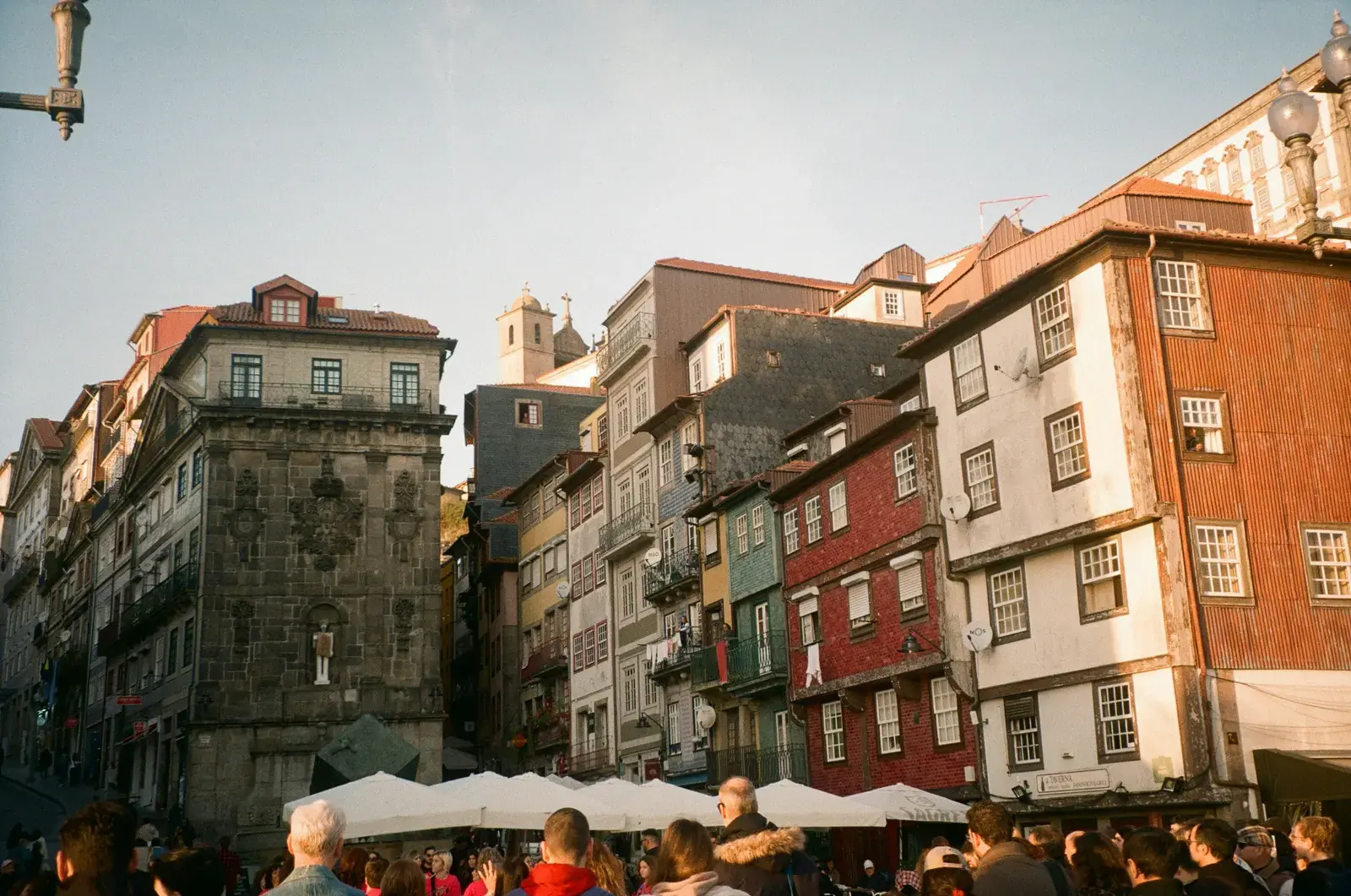
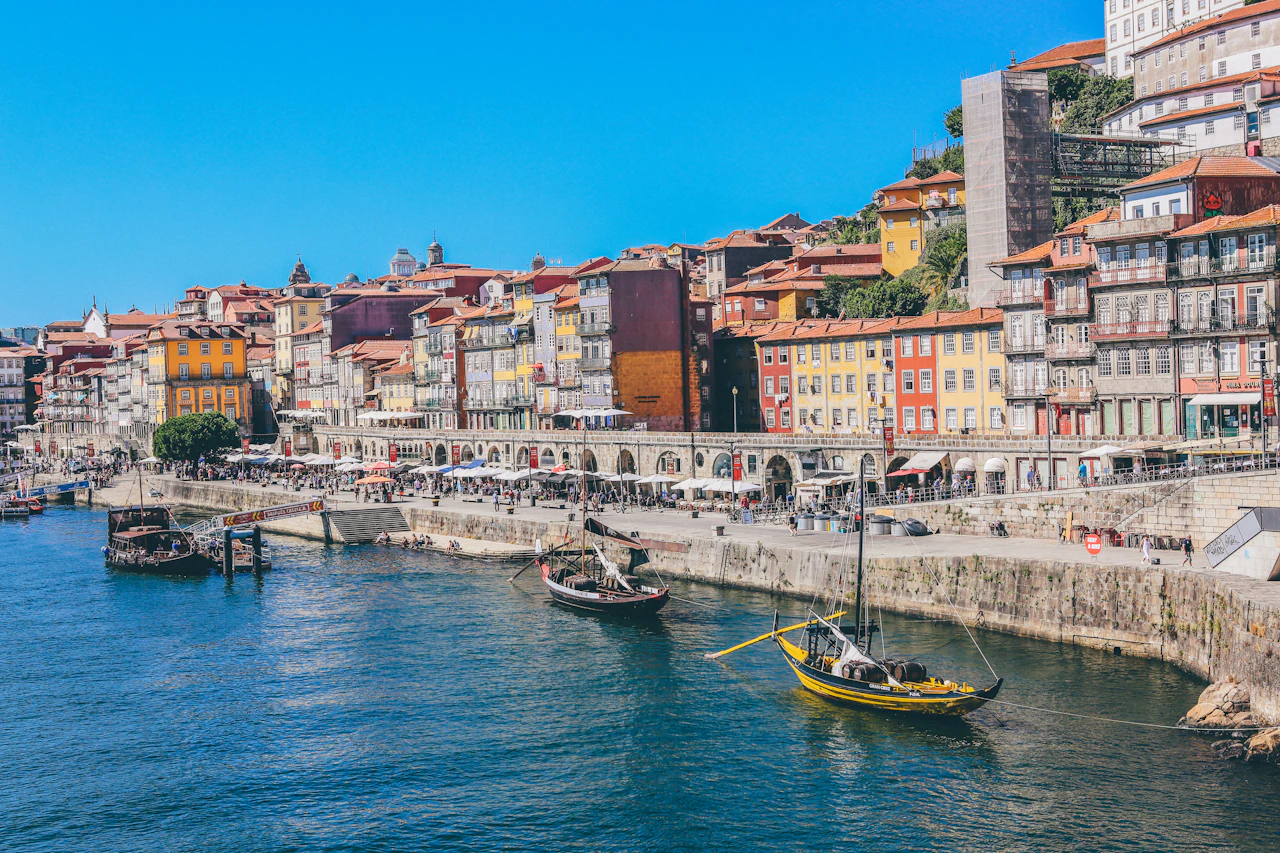
Adjacent to the museum are the Jardins do Palácio de Cristal, a public park with peacocks, camellias, and viewpoints over the Douro. Walk the main avenue to the iron gazebo. From the gardens, descend Rua de D. Manuel II to the riverfront and walk east along Cais da Ribeira. The Ribeira neighbourhood is a UNESCO World Heritage site; its narrow alleys are lined with restaurants and bars. For a late-afternoon break, stop at a café on Praça da Ribeira for a coffee and pastel de nata. Consider a Ribeira food walk to sample local petiscos like bolinhos de bacalhau and alheira. The Jardins do Palácio de Cristal were designed in the 19th century and feature a lake, a rose garden, and a collection of camellias. The viewpoints offer excellent photo opportunities. The Ribeira area is lively in the afternoon, with street performers and artists. The alleys are narrow and can be crowded, but they are full of character. The buildings are covered in tiles, and the riverfront is lined with traditional boats.
Day 1 Evening: Gaia Port Wine Cellars and Dinner in Ribeira
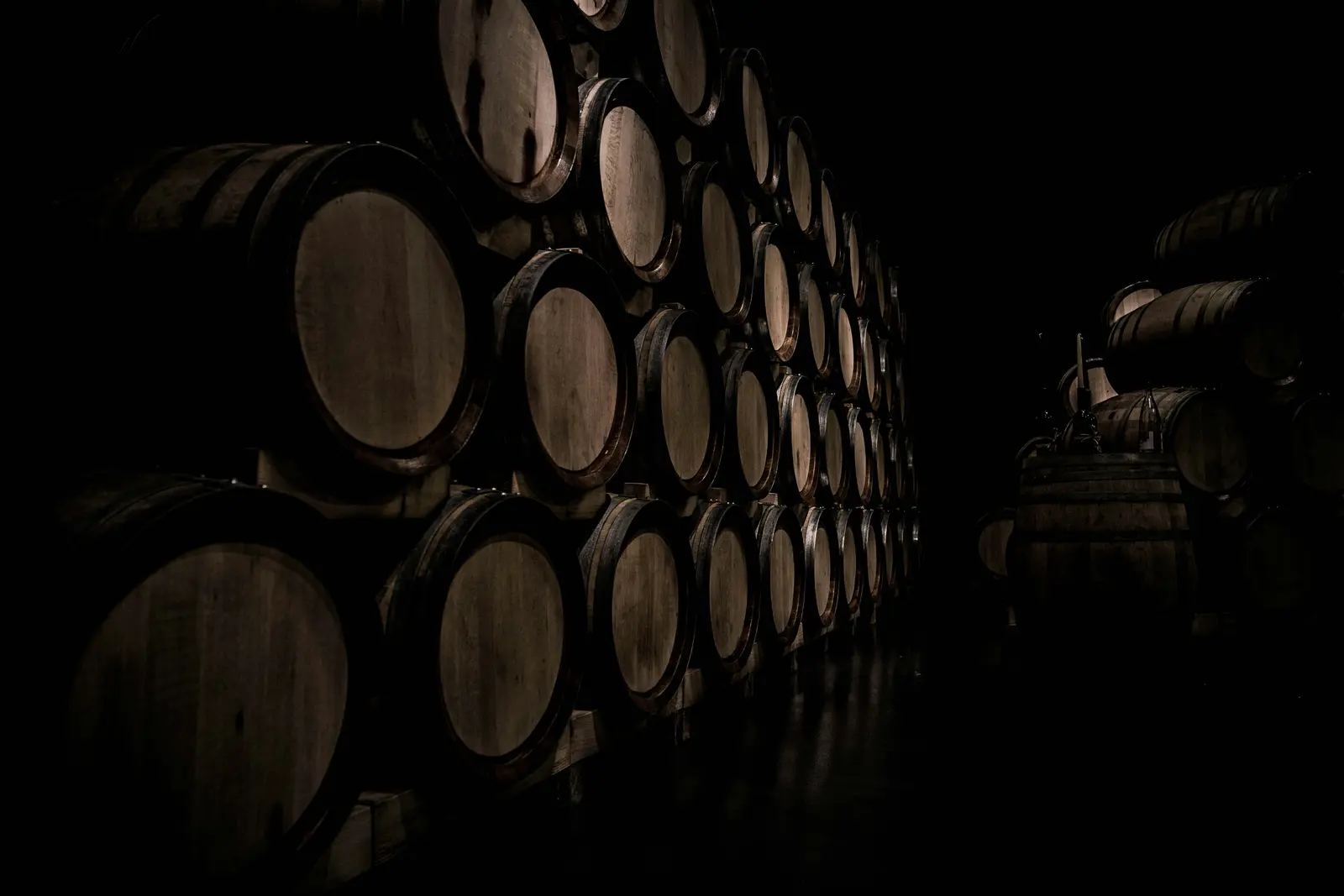
Cross the Dom Luís I Bridge on the upper deck (walk from São Bento metro station) to Vila Nova de Gaia. The bridge walk takes 10 minutes and offers views of the river and old town. In Gaia, visit a port wine cellar for a tasting. Most cellars offer tours and tastings from €15. Allow one hour. The cellars include Taylor's, Graham's, and Sandeman, each with a different style of port. The tours explain the aging process in oak barrels and the blending of different vintages. A Gaia port wine cellar tasting is a classic Porto experience. The cellars are located along the riverfront, and many have terraces with views of Porto. The tours typically include a visit to the barrel rooms and a tasting of two or three ports. You can also buy bottles to take home. The area is well-lit at night and safe to walk.
For dinner, return to the Ribeira side and eat at a restaurant on Rua de São João Novo or Rua da Reboleira. These streets are quieter than the main square. Order grilled fish or a seafood cataplana. After dinner, walk along the Cais da Estiva to see the illuminated bridges and rabelo boats moored on the river. The lights reflect on the water, creating a calm atmosphere. You can also walk up to the Jardim do Morro for a panoramic view of Porto at night. The Dom Luís I Bridge is particularly striking when lit. The rabelo boats are traditional wooden vessels that were used to transport port wine down the Douro. They are now used for tourist cruises. The riverfront is a popular spot for evening strolls, with many benches and viewpoints.
Day 2 Morning: Serralves Museum and Gardens
On day two, take bus 201 from Aliados (stop Aliados) to Serralves Museum (stop Serralves). The museum is set in a 18-hectare estate with a villa, contemporary art museum, and formal gardens. The museum building, designed by Álvaro Siza Vieira, is a landmark of modern architecture. Spend two hours exploring the galleries and the gardens. The museum opens at 10:00; arrive at opening to avoid crowds. The exhibitions change regularly, featuring Portuguese and international artists. The villa, Casa de Serralves, is a 1930s Art Deco building with original furnishings and a collection of decorative arts. The museum's permanent collection includes works by artists such as Paula Rego and Julião Sarmento. The building itself is a work of art, with clean lines and natural light. The galleries are spacious and well-lit. The museum also has a library and a shop.
The gardens include a rose garden, a maze, and a woodland area. Walk the main axis from the museum to the villa. The villa itself is a 1930s Art Deco building with original furnishings. Allow 30 minutes for the villa. The gardens also have a tea house and a farm. From Serralves, you can walk 15 minutes north to the Foz do Douro neighbourhood for lunch. Alternatively, take bus 200 or 203 to Foz. The gardens are a peaceful escape from the city. The rose garden has over 200 varieties of roses. The maze is made of hedges and is fun to navigate. The farm has animals and a vegetable garden. The tea house serves light meals and pastries. The estate also hosts temporary exhibitions and events. The walk to Foz takes you through residential streets with elegant houses.
Day 2 Midday: Foz do Douro and Matosinhos Seafood
From Serralves, take bus 200 or 203 to Foz do Douro (stop Cantareira). Foz is the district where the Douro meets the Atlantic. Walk along the Pérgola da Foz, a seaside promenade with a concrete pergola. The area is popular for a morning coffee or a stroll. For a more substantial meal, continue north along the coast to Matosinhos. The Pérgola da Foz was built in the 1930s and is a popular spot for walking and cycling. The promenade is lined with cafes and restaurants. The beach at Foz is wide and sandy, with a strong surf. The area is also home to the Castelo do Queijo, a 17th-century fortress. The walk to Matosinhos takes about 30 minutes along the coast, or you can take the bus.
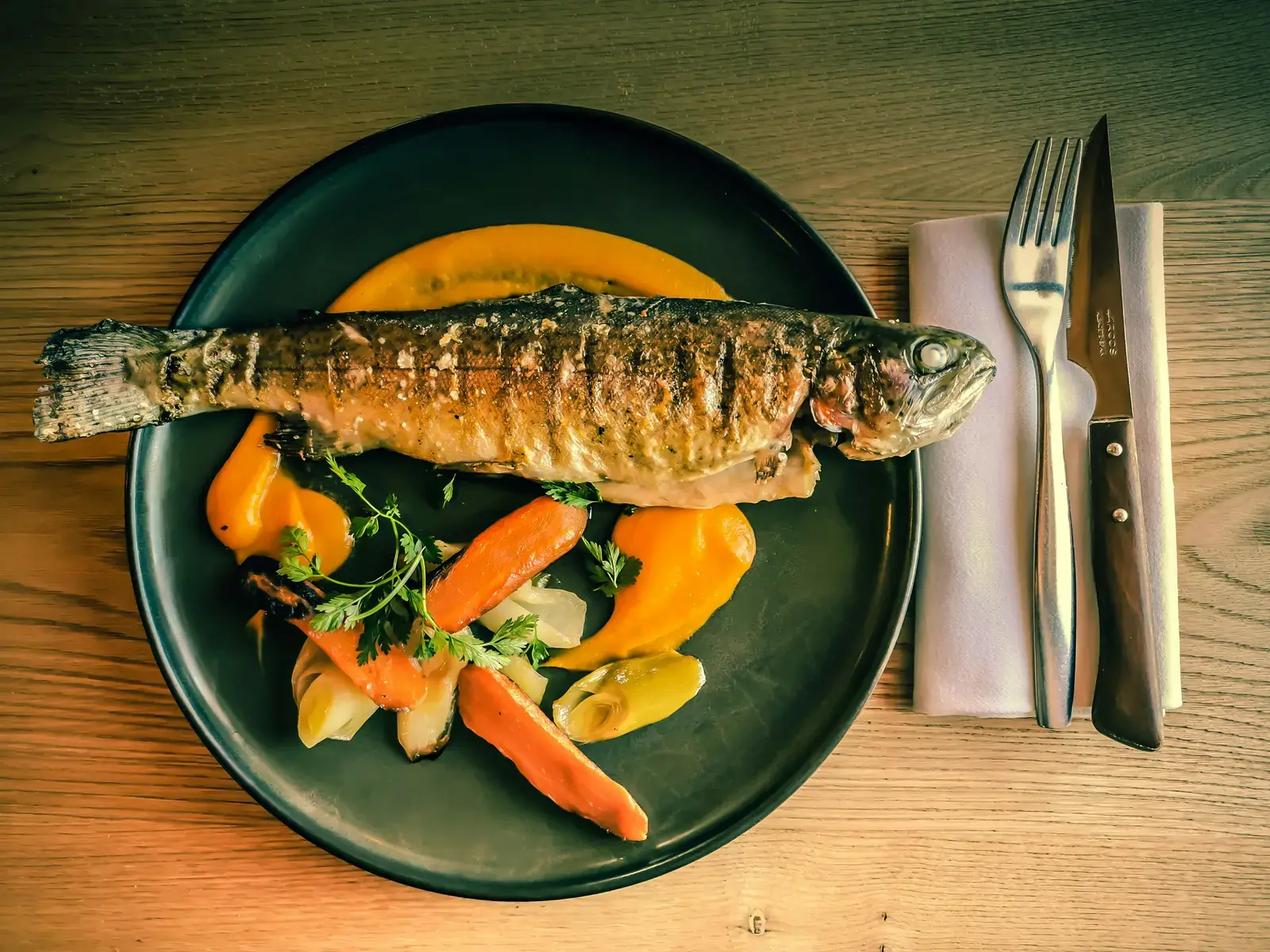
Matosinhos is a fishing port known for its seafood restaurants. Take bus 500 from Foz (stop Cantareira) to Matosinhos (stop Mercado). The main street, Rua Heróis de França, is lined with restaurants grilling fresh fish. Order the catch of the day – robalo (sea bass) or dourada (gilt-head bream) – grilled with salt and served with boiled potatoes. A Matosinhos seafood lunch is a classic Porto experience. Allow 1.5 hours for lunch. Many restaurants also serve arroz de marisco (seafood rice) and cataplana. The market in Matosinhos sells fresh fish if you prefer to cook yourself. The restaurants are casual and family-friendly. The fish is grilled over charcoal and is incredibly fresh. The portions are generous. The area is also known for its sardines, which are grilled and served with bread and salad. After lunch, you can walk along the beach or visit the Matosinhos municipal market.
Day 2 Afternoon: Church of São Francisco and Bolhão Market
After lunch, take bus 500 back to Ribeira (stop Infante). Walk to the Church of São Francisco on Rua do Infante D. Henrique. The church is a Gothic structure with a Baroque interior covered in gold leaf. The catacombs and the catacomb museum are included in the entry fee. Allow 45 minutes. The church was built in the 14th century and later embellished with gilded woodwork. The catacombs contain the tombs of Franciscan monks and noble families. The church is part of a former Franciscan monastery. The interior is a stunning example of Portuguese Baroque, with intricate carvings and gold leaf. The altarpiece is particularly impressive. The catacombs are eerie but fascinating, with rows of tombs and a small museum of religious artifacts. The church is one of the most visited in Porto.
From São Francisco, walk 10 minutes uphill on Rua de Mouzinho da Silveira to Bolhão Market. The market is a 19th-century iron-and-glass structure that reopened in 2022 after renovation. Browse the stalls selling fresh produce, cheese, and cured meats. The market is busiest in the morning, but the afternoon is quieter for a relaxed visit. Buy a packet of broa de milho (cornbread) or a bottle of local olive oil. The market closes at 17:00. For a final cultural stop, visit the nearby Centro Português de Fotografia on Rua da Restauração, housed in a former prison. It is free and open until 19:00. The prison cells have been converted into exhibition spaces. The market has two floors, with fruit and vegetables on the ground floor and meat and fish on the upper floor. The renovation preserved the original structure while adding modern amenities. The market is a great place to buy souvenirs like canned fish and port wine. The photography centre is a short walk away and offers a unique setting for contemporary photography exhibitions.
Day 2 Evening: Douro River Cruise and Dinner in Gaia
In the early evening, take a rabelo boat cruise on the Douro River. Boats depart from Cais da Ribeira or Cais de Gaia. A one-hour cruise passes under the six bridges of Porto and Gaia. Book a sunset departure for the best light. A Rabelo Douro river cruise is a relaxing way to end the day. The boats are replicas of the traditional vessels that once transported port wine barrels down the river. The cruise provides a different perspective of the city, with views of the Ribeira, the cathedral, and the port lodges. The bridges are illuminated at night, creating a beautiful reflection on the water. The commentary on board explains the history of the bridges and the river. The cruise is suitable for all ages and is a popular activity for families.
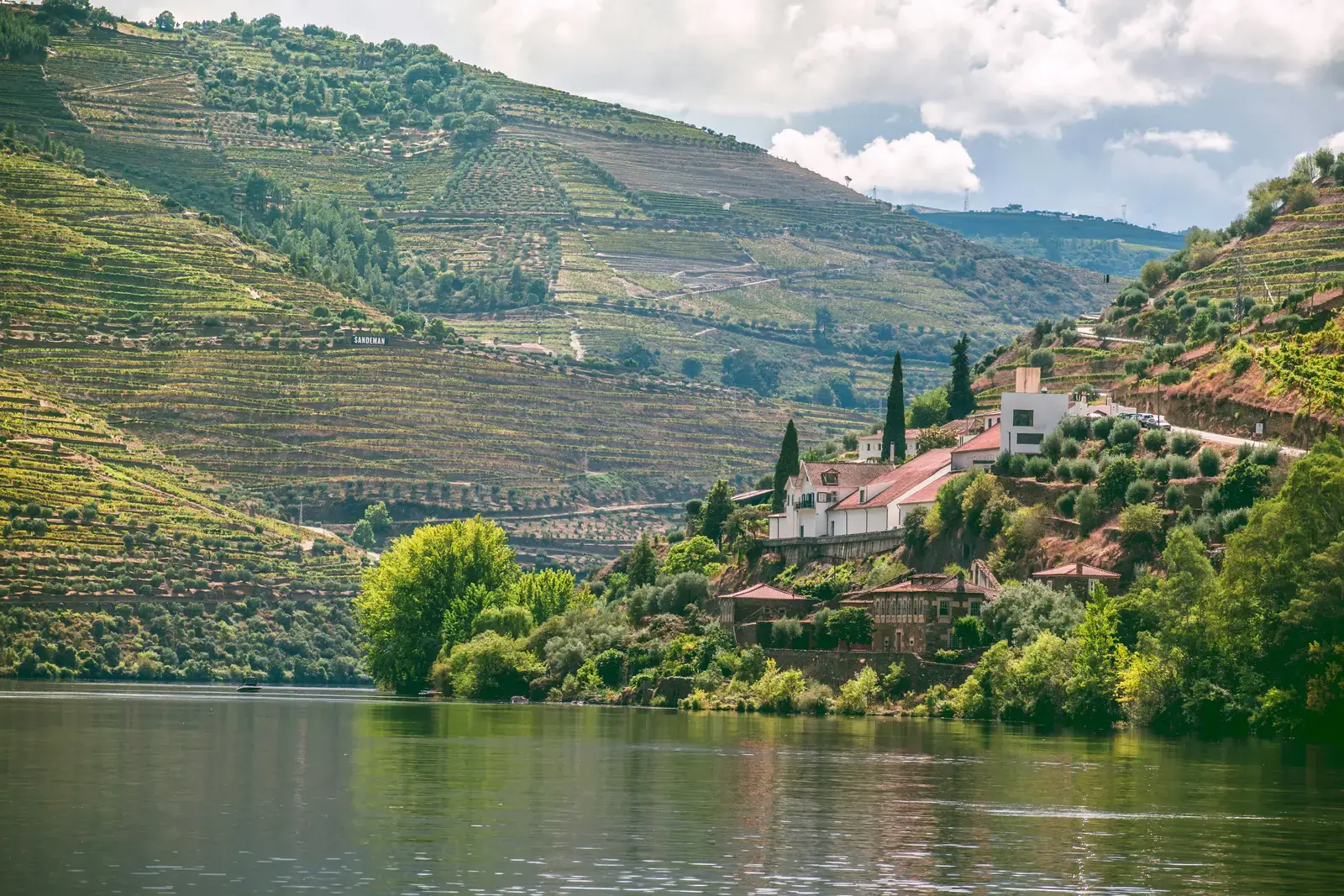
After the cruise, have dinner in Gaia. The riverside area has many restaurants with views of Porto's illuminated skyline. Try Rua do Cais de Gaia for options. Order a glass of port with dessert. If you have energy, walk back across the lower deck of the Dom Luís I Bridge for a final view of the city at night. The bridge was designed by a disciple of Gustave Eiffel and opened in 1886. For a more extensive day trip, consider a Douro Valley day trip on a subsequent day. The restaurants in Gaia range from casual to upscale, with many offering outdoor seating. The view of Porto from Gaia is spectacular, especially at night when the city is lit up. The lower deck of the bridge is used by cars and pedestrians, and the walk is safe. The bridge is an iconic landmark and a great spot for photos. The Douro Valley trip is a full-day excursion that includes wine tasting and a river cruise.
Good to know
How many days do I need for Porto's main museums and churches?
Two full days are enough to visit the key museums (Serralves, Soares dos Reis) and churches (Sé, São Francisco, Clérigos) plus neighbourhood walks. Add a third day for a Douro Valley trip.
Which museums are closed on Mondays in Porto?
Soares dos Reis National Museum and Serralves Museum are closed on Mondays. Plan your itinerary around these closures.
What is the best way to get between cultural sites in Porto?
Walking is best for the historic centre. For longer distances (Serralves, Foz, Matosinhos), use buses 200, 201, 203, or 500. The metro covers São Bento, Aliados, and Casa da Música.
Can I visit Livraria Lello without a long queue?
Buy a ticket online in advance and visit on a weekday morning before 10:00 or after 16:00. Queues are shortest in winter.
Are there free cultural attractions in Porto?
Yes. The Centro Português de Fotografia is free. The gardens of Serralves are free on Sunday mornings until 13:00. The cathedral cloister has a small fee but the nave is free.
Share this post
Useful for planning?
Receive notes like this once a month.