Douro Valley by Train or River Cruise: Pace, Views and Transfers
Compare the Douro Valley by train and river cruise: logistics, scenery, timing, and practical tips for day trips from Porto.
- Written by
- Miguel Enes
- Published
- Reading time
- 10 min read
Miguel Enes — More than 15 years building software and turning complex systems into simple, reliable guest-facing tools.
Choosing Your Douro Valley Day Trip
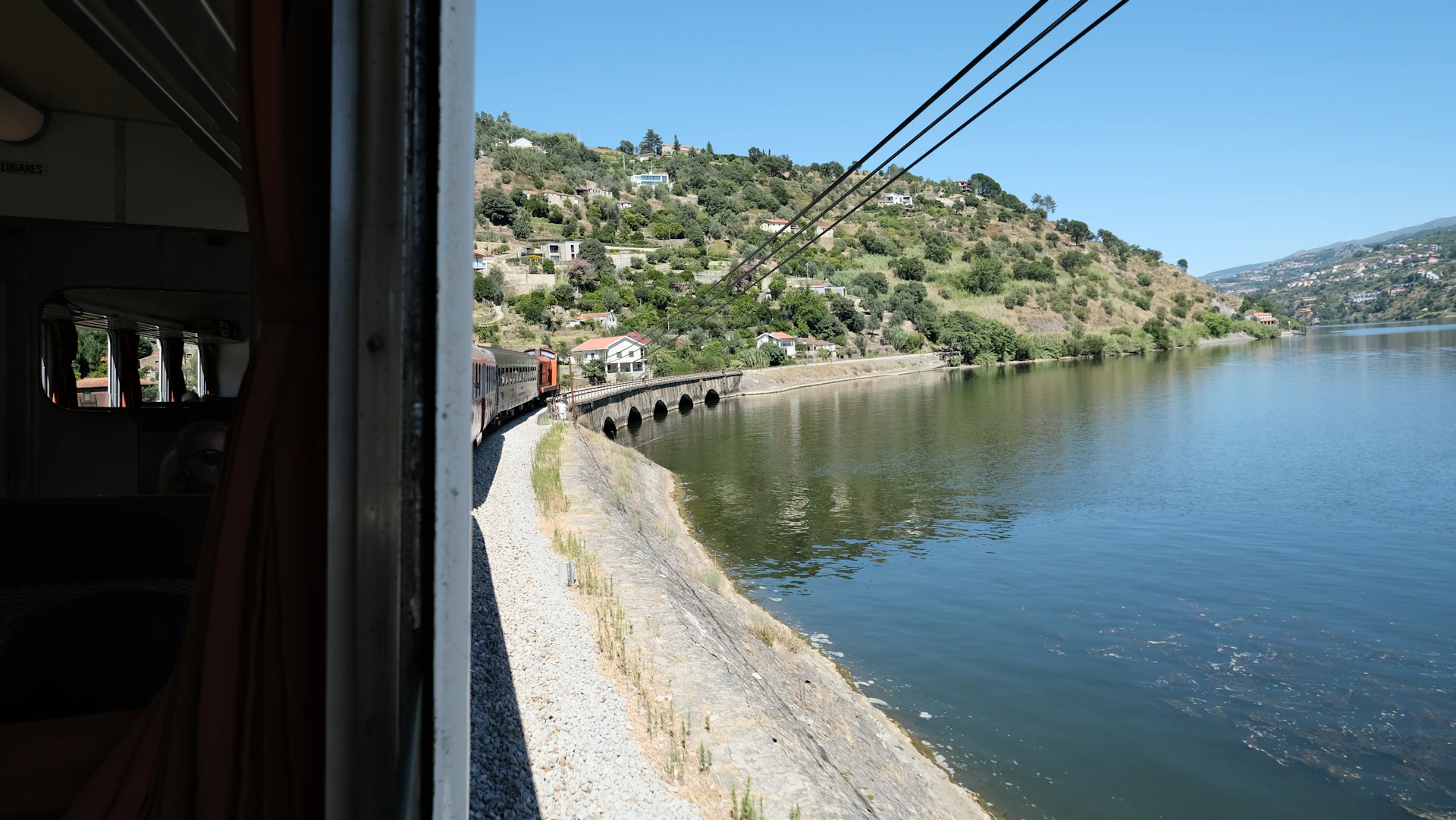
A day trip from Porto into the Douro Valley offers two main options: the historic Linha do Douro train or a river cruise. Each gives you a different pace and perspective on the terraced vineyards and schist villages. Your choice depends on how you want to spend your time and what kind of views you prefer. The train runs along the northern bank of the Douro River from Porto's São Bento station to Pocinho, passing through Pinhão and Régua. The river cruise typically departs from Gaia or Ribeira and goes as far as the Douro Valley's heart, often turning around at Pinhão or Régua. Both cover similar geography but with distinct experiences. Consider your group's preferences: if you value independence and flexibility, the train is better. If you prefer a guided, all-inclusive day, the cruise suits you. You can also combine both for a richer experience.
The Douro Valley is a UNESCO World Heritage site, and both modes let you appreciate its beauty. The train offers a classic rail journey through tunnels and over bridges, while the cruise gives you a leisurely float past quintas and vineyards. Neither is inherently better; they simply offer different rhythms. Think about how much time you want to spend traveling versus exploring. The train takes about 3 hours each way to Pinhão, while the cruise takes 5 hours upstream but returns by bus in 1.5 hours. Your total day length will be similar, around 10-12 hours including stops. For a private group, Porto For You can arrange a Douro Valley day trip tailored to your preferred pace.
The Linha do Douro Train: Logistics and Scenery
The Linha do Douro is a single-track railway that hugs the riverbank for most of its route. From São Bento station, regional trains run to Pocinho (about 3 hours each way). You can buy tickets at the station or online via Comboios de Portugal; a return ticket to Pinhão costs around €10-15 per person. Trains run roughly hourly, but check the schedule as some services are slower and stop at every station. The train is comfortable with air conditioning and large windows. You can bring your own food and drinks, which is a good idea if you want a picnic by the river. The best views are on the left side of the train heading east (right side returning). You'll see the river, vineyards, and quintas directly from your seat. The train stops at Pinhão, where you can walk to the station's azulejo panels, visit a nearby quinta for a tasting, or have lunch at a local restaurant. The return journey gives you a different angle on the landscape.
Pinhão is a small town with a beautiful train station covered in blue and white tiles depicting wine scenes. From the station, you can walk to the riverfront in 5 minutes. There are several quintas within walking distance, such as Quinta do Bomfim or Quinta do Seixo, but check if they require advance booking. Alternatively, you can take a short taxi ride to a quinta further up the hill. The train schedule allows you to spend 2-4 hours in Pinhão before catching a return train. If you want to go further, Régua is another stop with the Douro Museum and more dining options. The museum is a 10-minute walk from the station and offers exhibits on the region's wine history. For a longer day, you can continue to Pocinho, but that adds another hour each way. The train also passes through smaller stations like Ermida and Ferrão, where you can hop off for a short hike if you have time.
River Cruise: Pace and Practicalities
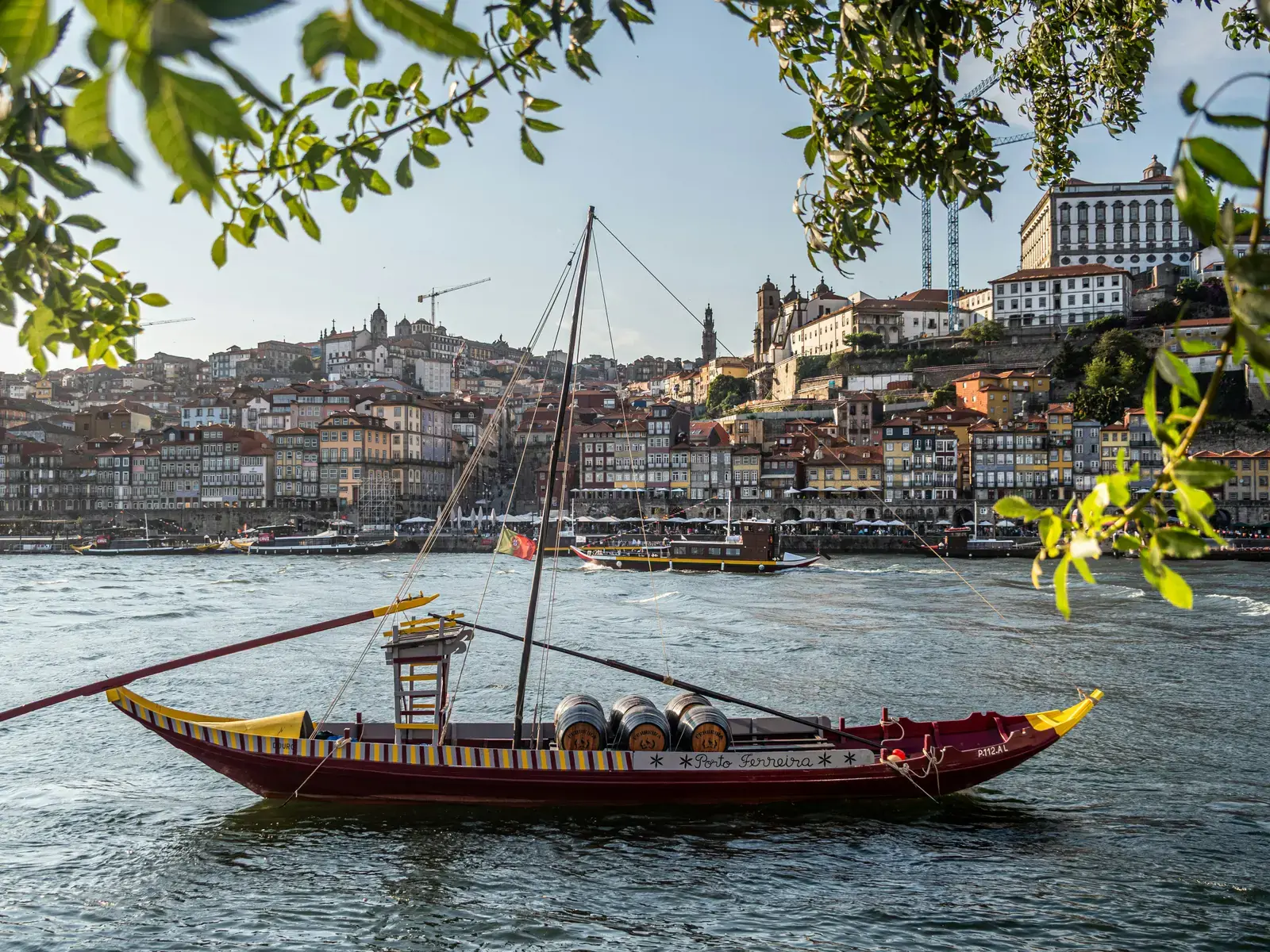
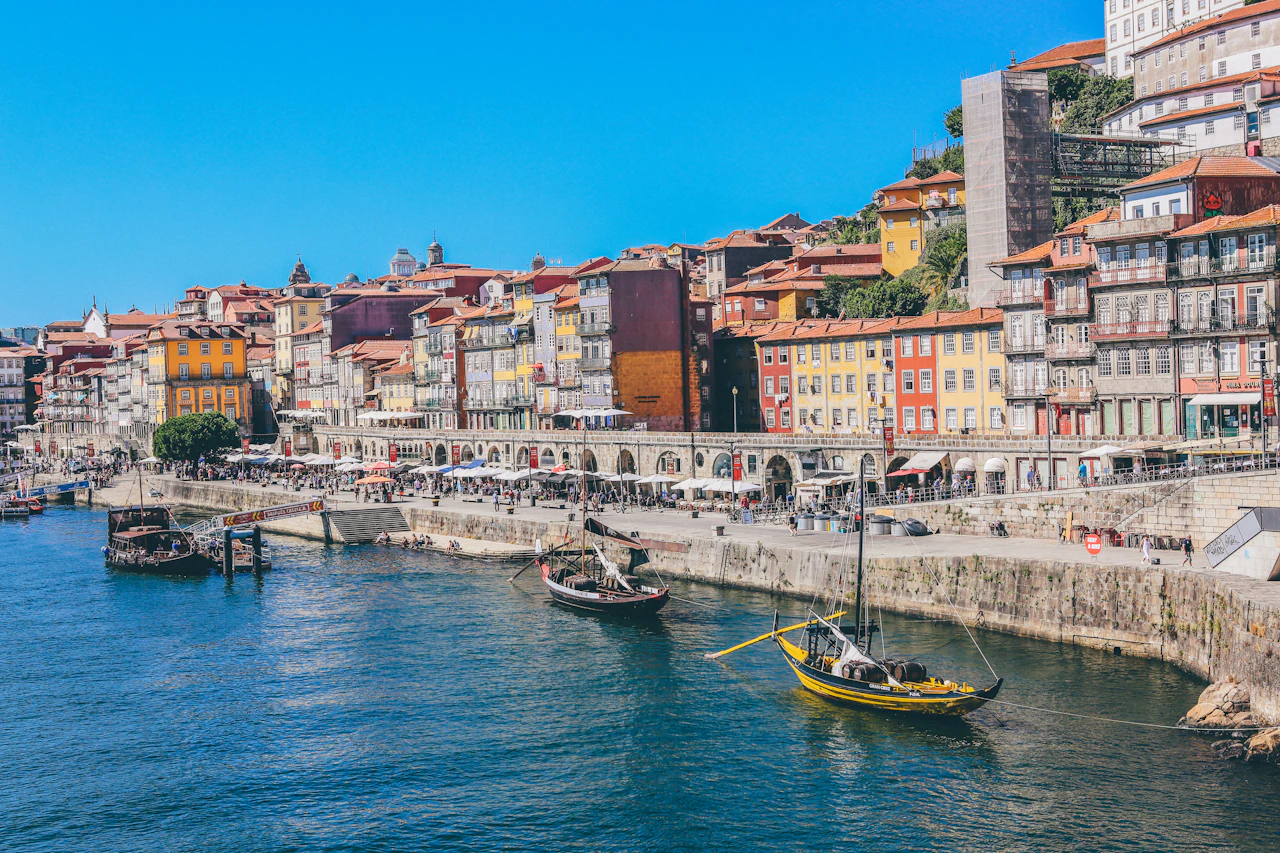
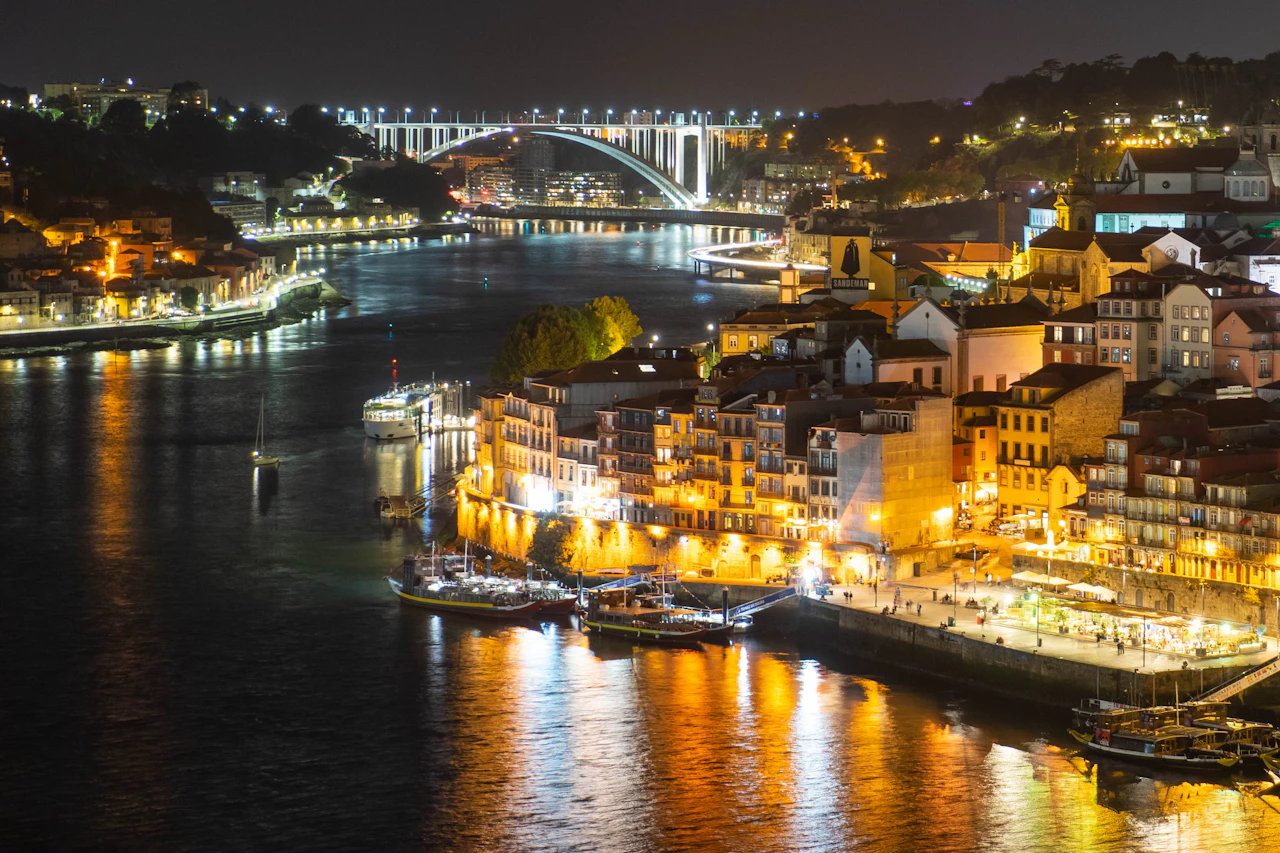
River cruises from Porto typically last 8-10 hours, including a bus transfer back from the valley. Most depart from Cais de Gaia or Ribeira around 8:30-9:00 AM. The boat travels upstream at a slow pace, passing under the six bridges of Porto and through the lock at Crestuma. You'll see the riverbanks from water level, with commentary in Portuguese and English. The boats are usually spacious with indoor and outdoor seating, a bar, and restrooms. Some cruises include a live fado performance or a port wine tasting on board. The journey is relaxing, but it can be windy on deck, so bring a jacket even in summer. The cruise also offers a different perspective on the river's wildlife, including herons and kingfishers.
Cruises usually include a stop at a quinta for lunch and a port wine tasting, plus time in Pinhão or Régua. The lunch is typically a buffet of regional dishes like bacalhau, roasted meats, and seasonal vegetables. Vegetarian options are available but limited. After lunch, you have about 1-2 hours to explore the town. The return is by coach (about 1.5-2 hours), which gives you a different perspective on the hills. Some operators offer one-way cruises with train return, combining both modes. Book in advance during peak season (May-October) as spaces fill. Prices range from €60-100 per person, depending on the operator and inclusions. Check if the cruise includes hotel pickup and drop-off, which adds convenience. For a more intimate experience, consider a rabelo river cruise on a traditional boat, which accommodates smaller groups.
Comparing Views and Photography
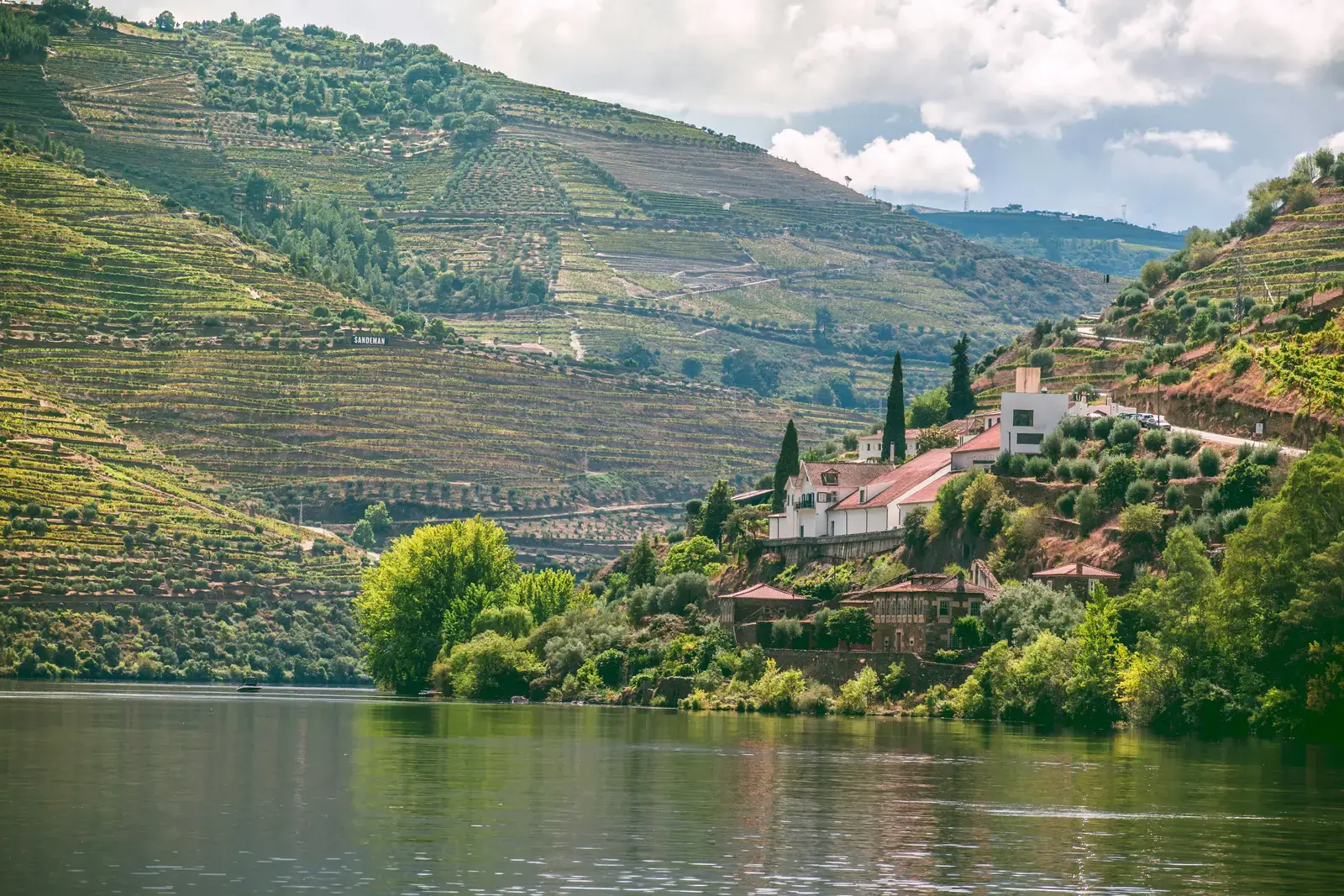
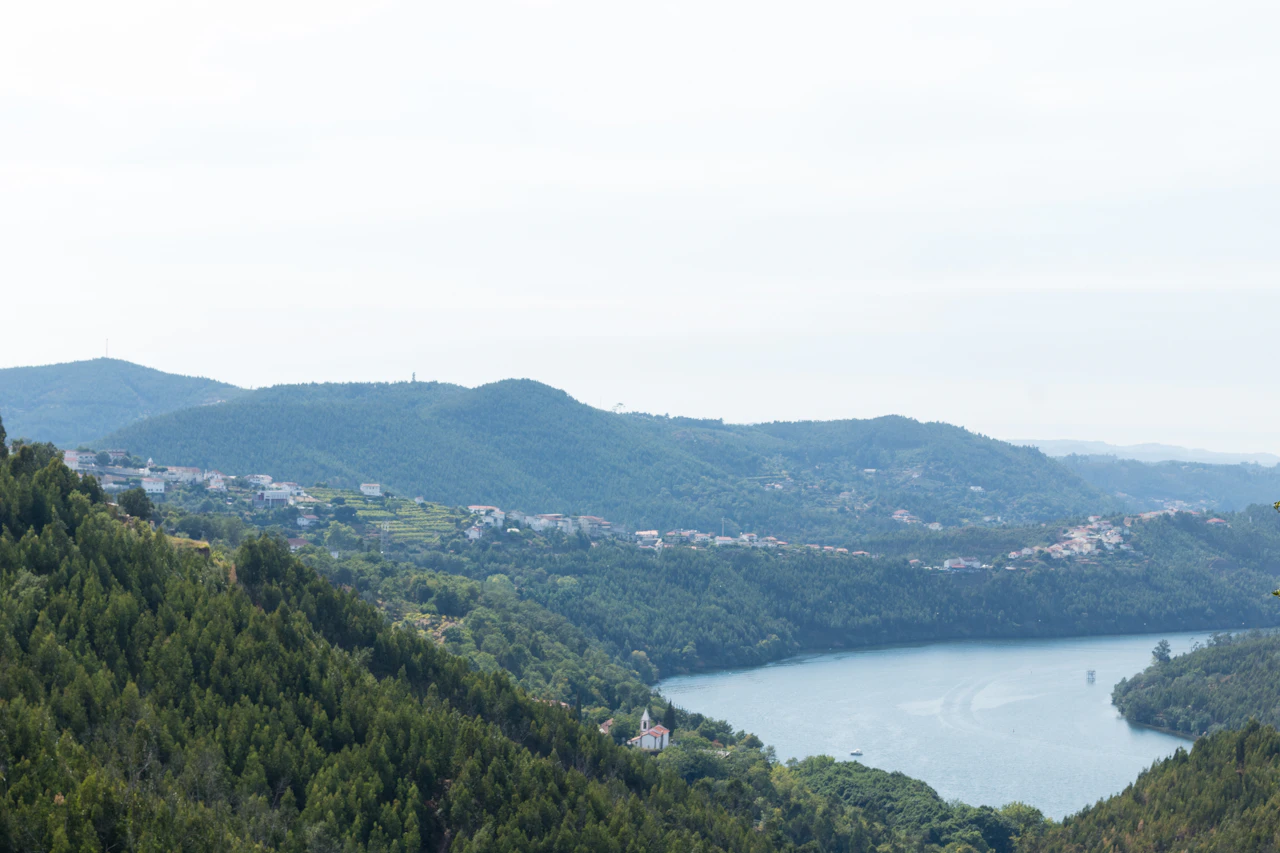
The train offers elevated views of the river and vineyards, especially as it crosses bridges and passes through tunnels. You can photograph the terraced slopes from above, capturing the scale of the valley. The windows are large, but reflections can be an issue; sit on the left side for morning light heading east. For the best shots, stand near the door or open a window if possible. The train also passes through small stations and villages, giving you a glimpse of local life. The river cruise puts you at water level, giving a different sense of the valley's depth. You'll see the river's curves and the steepness of the vineyards. For photography, the boat's open deck is best, but it can be windy. The cruise also allows you to see the river's wildlife and the occasional rabelo boat.
Both options offer unique photo opportunities. On the train, you can capture the contrast between the dark tunnels and bright valley. On the cruise, you can photograph the reflections on the water and the terraced hillsides. If you're a serious photographer, consider doing both: take the train one way and cruise the other. That way, you get both perspectives without repeating the same route. The combined ticket is often sold by tour operators and costs around €80-100. You'll need to check the timing to ensure a smooth transfer in Pinhão or Régua. Early morning light is best for both, so aim for a departure before 9 AM.
Time and Flexibility
The train gives you more control over your schedule. You can stop at any station along the line, explore a village, and catch a later train. This is ideal if you want to visit a specific quinta or hike a short trail. However, trains are less frequent on weekends and holidays, so plan accordingly. The last train back from Pinhão to Porto departs around 7 PM, so you have a full day. You can also break your journey at Régua or even go as far as Pocinho if you start early. The train is also cheaper, making it a good option for budget-conscious travelers. For families, the train allows you to set your own pace, with stops for snacks and bathroom breaks.
The river cruise is a fixed itinerary with limited free time. You'll have about 1-2 hours in Pinhão or Régua, which is enough for a walk and a quick tasting. The included lunch saves time on decisions, but you cannot linger. If you prefer a structured day with minimal logistics, the cruise is simpler. You don't need to worry about train schedules or finding a restaurant. The cruise also includes a guide who can answer questions about the region. For families with young children, the cruise may be easier because everything is organized. However, the boat ride can be long for restless kids, so bring activities. The bus return is faster, which helps if children get tired.
Cost and Value
A train day trip costs roughly €20-30 per person for tickets, plus meals and tastings. You can bring your own picnic or eat at a restaurant in Pinhão. A meal at a local restaurant costs around €15-25 per person. A quinta tasting is usually €10-20. So total per person can be €45-75. A river cruise costs €60-100 per person, including lunch and a port tasting. The cruise is more expensive but includes transport, food, and a guide. For a couple, the train might save €30-50, but you have to manage logistics yourself. For a family of four, the train can be significantly cheaper, especially if you pack lunch.
For families or small groups, the train can be more budget-friendly, especially if you pack lunch. The cruise offers convenience and a guided experience, which may be worth the premium if you prefer not to navigate logistics yourself. Consider what you value: independence or ease. If you want to visit multiple quintas or hike, the train is better. If you want a relaxed day with minimal planning, choose the cruise. Porto For You can arrange a private transfer or a Douro Valley day trip that combines both or focuses on your preferred mode.
Combining Both: Train and Cruise
Some operators offer a combined ticket: cruise one way and train the other. This gives you both perspectives in one day. Typically, you cruise from Porto to Pinhão (about 5 hours), then take the train back (about 2.5 hours). The cost is similar to a round-trip cruise, around €80-100. This option is popular because you see the valley from water and rail, and the return train is faster. You'll need to check timings carefully to avoid a long wait in Pinhão. The cruise usually arrives around 1-2 PM, and the train departs around 3-4 PM, giving you time for lunch.
Alternatively, you can take the train to Pinhão in the morning, explore, and then catch a cruise back to Porto. This is less common but possible with some operators. The advantage is that you start early and have more time in the valley. The cruise back is slower but relaxing after a day of walking. Porto For You can help arrange a private transfer or a rabelo river cruise on a traditional boat if you want a shorter, more intimate experience on the water.
Practical Tips for Your Day
Start early: trains and cruises depart before 9 AM. Bring sunscreen, a hat, and water, as the valley gets hot in summer. For the train, buy a return ticket in advance at São Bento station or online. For the cruise, book at least a week ahead in July and August. Wear comfortable shoes for walking on uneven quinta paths. Avoid heavy luggage; leave it at your accommodation. If you take the train, consider stopping at Régua for the Douro Museum or at Pinhão for a short walk along the river. Both towns have good lunch options. For the cruise, check if the operator offers hotel pickup; it saves time and hassle.
If you have dietary restrictions, inform the cruise operator in advance. The train allows you to bring your own food, so pack a picnic with local cheeses, bread, and wine. You can buy supplies at the Bolhão market in Porto before you leave. Also, bring a reusable water bottle; there are fountains at stations. For photography, bring a polarizing filter to reduce glare on the water. Finally, check the weather forecast; if it's raining, the train might be more comfortable as you stay dry. The cruise has covered areas, but the best views are from the open deck. For a private group, Porto For You can arrange a customized itinerary that includes a port wine cellar tasting in Gaia before or after your trip.
Good to know
Which option is better for photography?
The train gives elevated views of the valley, while the cruise offers water-level perspectives. For variety, consider a combined ticket.
Can I do a day trip from Porto to the Douro Valley by train?
Yes, regional trains run from São Bento to Pocinho. A round trip to Pinhão takes about 5-6 hours of travel, leaving time for lunch and a tasting.
How long is the river cruise from Porto?
Most cruises last 8-10 hours, including a bus return. The boat ride upstream is about 5 hours, with stops for lunch and tastings.
Is the train or cruise better for families with children?
The cruise is more structured and includes meals, which can be easier with kids. The train offers flexibility but requires more planning.
Do I need to book in advance?
Yes, especially in summer. Train tickets can be bought same day, but cruises often sell out. Book at least a week ahead for July and August.
Share this post
Useful for planning?
Receive notes like this once a month.