
Getting Home Late in Porto: Transport Options and Practical Notes
A practical guide to late-night transport in Porto, covering metro, bus, taxi, ride-hailing, and walking safety.
- Written by
- Miguel Enes
- Published
- Reading time
- 15 min read
Miguel Enes — More than 15 years building software and turning complex systems into simple, reliable guest-facing tools.
Know your last metro before you need it
The Porto metro is the backbone of the city's public transport, but it stops early. On weekdays, the last trains leave the central stations around 1:00 a.m., and on weekends they run a bit later, but the schedule varies by line and station. If you are out in Ribeira or near São Bento, check the departure times for your line before you commit to a late dinner. The metro does not run all night, so if you plan to stay out past 1:30 a.m., you need a backup plan. The metro system is clean and safe, but you will share the platform with other late-night travellers, mostly young people heading home from bars. Keep your Andante card loaded, because the ticket machines at smaller stations may be closed or out of order late at night. If you are staying in Cedofeita or near the Casa da Música, the metro is a solid option until it stops. For a late-night ride along the coast to Matosinhos, the metro line A runs until about 1:00 a.m. on weekdays, but check the exact time at the station.
The metro stations in the centre, such as Trindade and Aliados, are well lit and have staff until the last train. The platforms are monitored by cameras, and you will see security personnel at major interchanges. If you are transferring between lines, give yourself a few extra minutes, because the connections can be long. The metro is also accessible for families with strollers, and the elevators are usually working. If you are travelling with children, keep them close and hold their hands on the escalators. The metro is the cheapest way to get around late at night, with a single fare costing around 1.20 euros if you use an Andante card. You can buy a card at any station, but the machines only accept coins or cards, so have a backup. A Ribeira food walk might keep you out later than you expect, so plan your last train accordingly. If you miss the last train, you will need to rely on night buses, taxis, or ride-hailing apps, which are covered in the following sections.
Use the night bus network when the metro sleeps
When the metro closes, the STCP night buses take over. The network includes lines like 1M, 3M, and 4M, which run from the city centre to the main neighbourhoods, including Foz, Matosinhos, and the airport. The night buses run roughly every 30 minutes from about 1:00 a.m. to 5:00 a.m., but the frequency and routes can change, so check the STCP website or a transit app for the current schedule. The night buses are less frequent and slower than the metro, but they are reliable and cheap. You can use the same Andante card, and the fare is the same as a daytime bus. The main hub for night buses is Aliados, so if you are out in Ribeira or Clérigos, you will need to walk up to Aliados to catch one. The walk from Ribeira to Aliados takes about 10 minutes uphill, which is a good way to sober up. If you are staying in Cedofeita, the 3M bus will get you close, but you may have to walk a few blocks. For a late-night meal in Matosinhos, the 1M bus runs along the coast, but it can be crowded with other revellers, so keep an eye on your belongings.
The night bus stops are marked with a blue sign that shows the night lines. The buses are modern and have CCTV, but they can be crowded on weekends. If you are travelling alone, sit near the driver or in a well-lit area. The drivers are helpful and will tell you when to get off if you ask. You can track the buses in real time using the STCP app, which is useful if you are waiting at a stop. The night bus network is a good option for budget travellers, but it is not the fastest. A trip from Aliados to Foz takes about 30 minutes, compared to 15 minutes by taxi. If you are in a hurry, you might prefer a taxi or ride-hailing app. However, the night bus is a great way to see the city at night, and it is safe. The buses run until the first metro trains start, so you can always get home. If you are staying near the Bolhão market, the 3M bus stops close by, and the walk from the stop is short. The night bus is also a good option if you are heading to the airport for an early flight, as the 3M runs all night.
Take a taxi from a rank or call one directly
Taxis in Porto are plentiful, and you will find ranks at Aliados, São Bento, and Ribeira, as well as outside major hotels. Late at night, taxis are the most straightforward option if you are in a group or have had a few drinks. You can flag one down on the street, but it is easier to walk to a rank or ask your restaurant to call one. The fare is metered, and you pay in cash or by card, but some drivers prefer cash, so carry small notes. A taxi from Ribeira to Cedofeita should take about 10 minutes and cost around 8 to 10 euros, depending on traffic. To Foz, expect 15 to 20 minutes and 12 to 15 euros. To Matosinhos, it is about 20 minutes and 15 to 18 euros. These are estimates, and the actual fare depends on the time of night and the route. If you are concerned about the fare, ask the driver for an estimate before you get in. Taxis are regulated, so you do not need to negotiate, but it is always good to confirm that the meter is running.
The taxi drivers in Porto are generally honest and knowledgeable about the city. They can recommend a good late-night snack spot or tell you about the best viewpoint. If you are travelling with a family, you can request a larger taxi that fits five passengers, but you may need to call a radio taxi company. The official taxi companies in Porto include Táxis Invicta and Táxis Porto, and you can call them directly. The phone numbers are easy to find online or ask your hotel to call. When you get in the taxi, make sure the meter is running and that the driver takes the most direct route. If you have a smartphone, you can follow the route on your map to ensure you are not being taken for a ride. Taxis are a safe option, and the drivers are licensed. If you leave something in the taxi, you can contact the company to retrieve it. The taxi rank at Aliados is busy until late, and you will usually find a car within a few minutes. If you are in a less central area, like Bonfim, you might need to call for a taxi, as they are less likely to pass by.
Use ride-hailing apps for a fixed price
Uber and Bolt operate in Porto, and they are often cheaper than taxis, especially for longer trips. The apps show the fare upfront, so you know what you will pay before you confirm. Late at night, surge pricing can apply, but it is usually not extreme in Porto. The pickup points are often the same as taxi ranks, but the app will show you the exact location. For a ride from Ribeira to Gaia, across the Dom Luís I bridge, the fare is around 6 to 8 euros, and the trip takes 10 minutes. To the airport, expect 20 to 25 euros and 20 minutes. The apps are reliable, and the drivers are generally professional. If you are in a group, you can order a larger vehicle, but the app will show the options. One note: the driver may not have change for large bills, so pay by card in the app to avoid hassle.
The ride-hailing apps are easy to use, and you can see the driver's rating and car details. The drivers are usually locals who know the city well, and they can give you tips on where to go. If you are travelling with children, you can request a car seat, but you need to specify that in the app. The apps are available in English, so you can communicate with the driver easily. The pickup time is usually short, around 5 minutes, but it can be longer if you are in a remote area. If you are at a bar or restaurant, you can set the pickup point to the exact address, and the driver will find you. The fare is charged to your card, so you do not need to carry cash. The apps also have a safety feature that lets you share your trip with a friend. A Gaia port wine cellar tasting might keep you on the south side of the river late, and a ride-hailing app is the easiest way to get back to your accommodation. The apps are also useful for early morning airport trips, as you can schedule a ride in advance.
Walk with purpose and stay on main streets
Porto is a safe city, and walking late at night is common, especially in the centre. The streets around Ribeira, Clérigos, and Aliados are lively until late, with people moving between bars and restaurants. If you are staying in Cedofeita or near the Bolhão market, the walk from the centre is about 15 minutes, and the streets are well lit. Use the same common sense you would in any city: stay on main avenues, avoid dark alleys, and keep your phone in your pocket. If you are walking from Ribeira to Gaia across the Dom Luís I bridge, the upper deck is pedestrian-only and well lit, but it can be windy and empty late at night. The lower deck is for cars and has a narrow sidewalk, so use the upper deck if you are on foot. The walk takes about 15 minutes, and the view of the illuminated city is worth it. If you are heading to Foz, the walk along the river is about 45 minutes, so it is better to take a bus or taxi unless you enjoy a long stroll. For a late-night walk, stick to the Avenida dos Aliados and Rua de Santa Catarina, which are busy and safe.
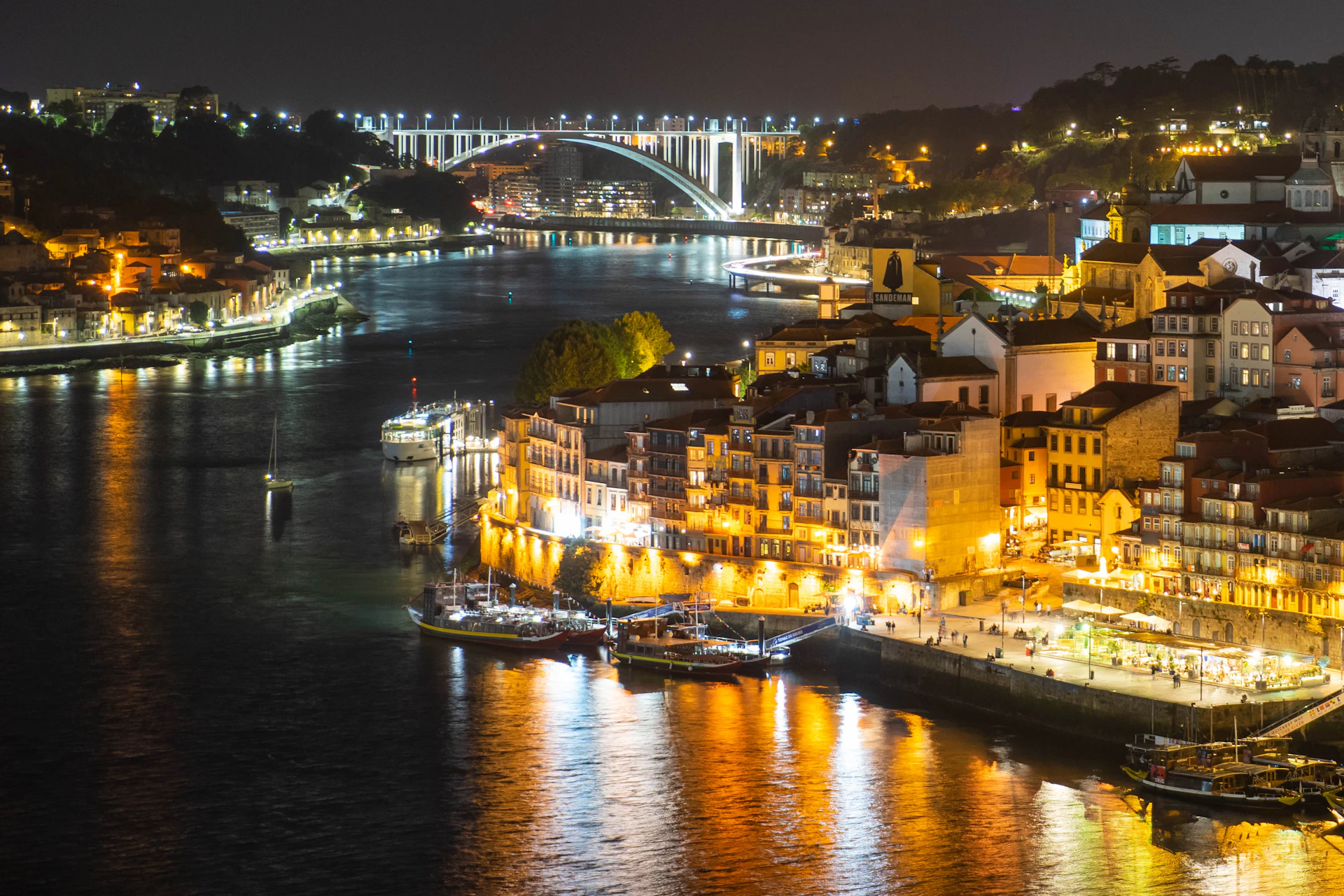
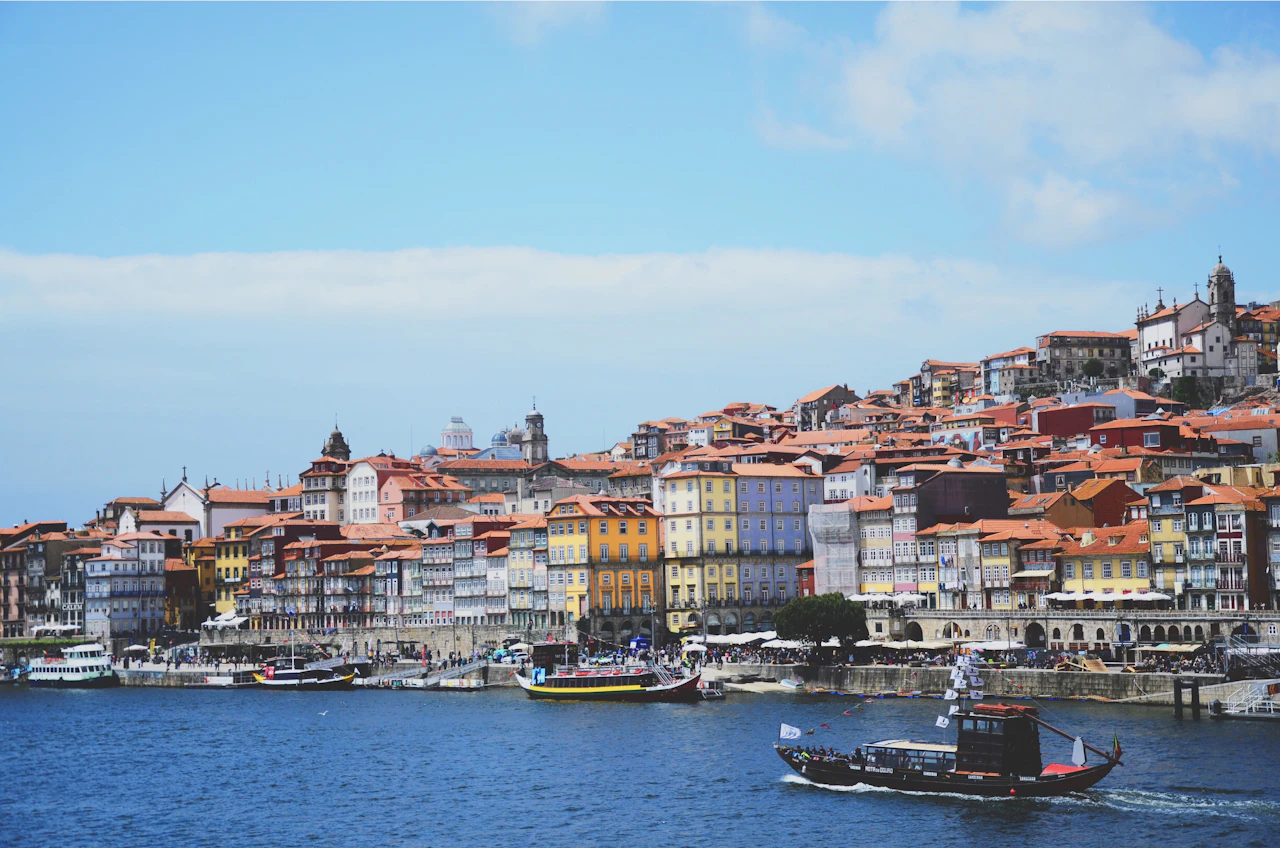
The historic centre of Porto is a UNESCO World Heritage site, and the streets are cobbled and narrow. At night, some areas can be quiet, but the main tourist streets are safe. If you are walking alone, avoid using headphones so you can hear your surroundings. Keep your bag close to your body and do not carry large amounts of cash. The police patrol the centre, and you will see them near the main squares. If you feel unsafe, go into a bar or restaurant and ask for help. The locals are friendly and will assist you. Walking is the best way to see the city at night, and you will discover hidden corners that you missed during the day. The Ribeira is particularly beautiful at night, with the lights reflecting on the Douro River. If you are walking to Gaia, the upper deck of the bridge offers a panoramic view that is worth the climb. The bridge is illuminated, and you will see the port wine cellars on the other side. The walk is safe, but be careful of the gaps between the bridge and the sidewalk.
Plan for the last train from Gaia after a port tasting
If you spend the evening in Gaia at a port wine cellar, you will need to get back across the river. The metro line D crosses the Dom Luís I bridge and stops at Jardim do Morro and Gaia. The last train from Gaia to São Bento is around 1:00 a.m., but check the schedule at the station. If you miss it, you can walk across the bridge or take a taxi or ride-hailing app. The walk from the Gaia cable car station to the metro is about 5 minutes, and the station is well signposted. If you are at a cellar near the river, you can walk to the Jardim do Morro station in 10 minutes. The area is safe, but it is quieter than the Ribeira side, so you may want to walk with a group. If you are staying in Porto, the metro is the fastest way back, but if you are staying in Gaia, you can walk to your hotel in 15 minutes.
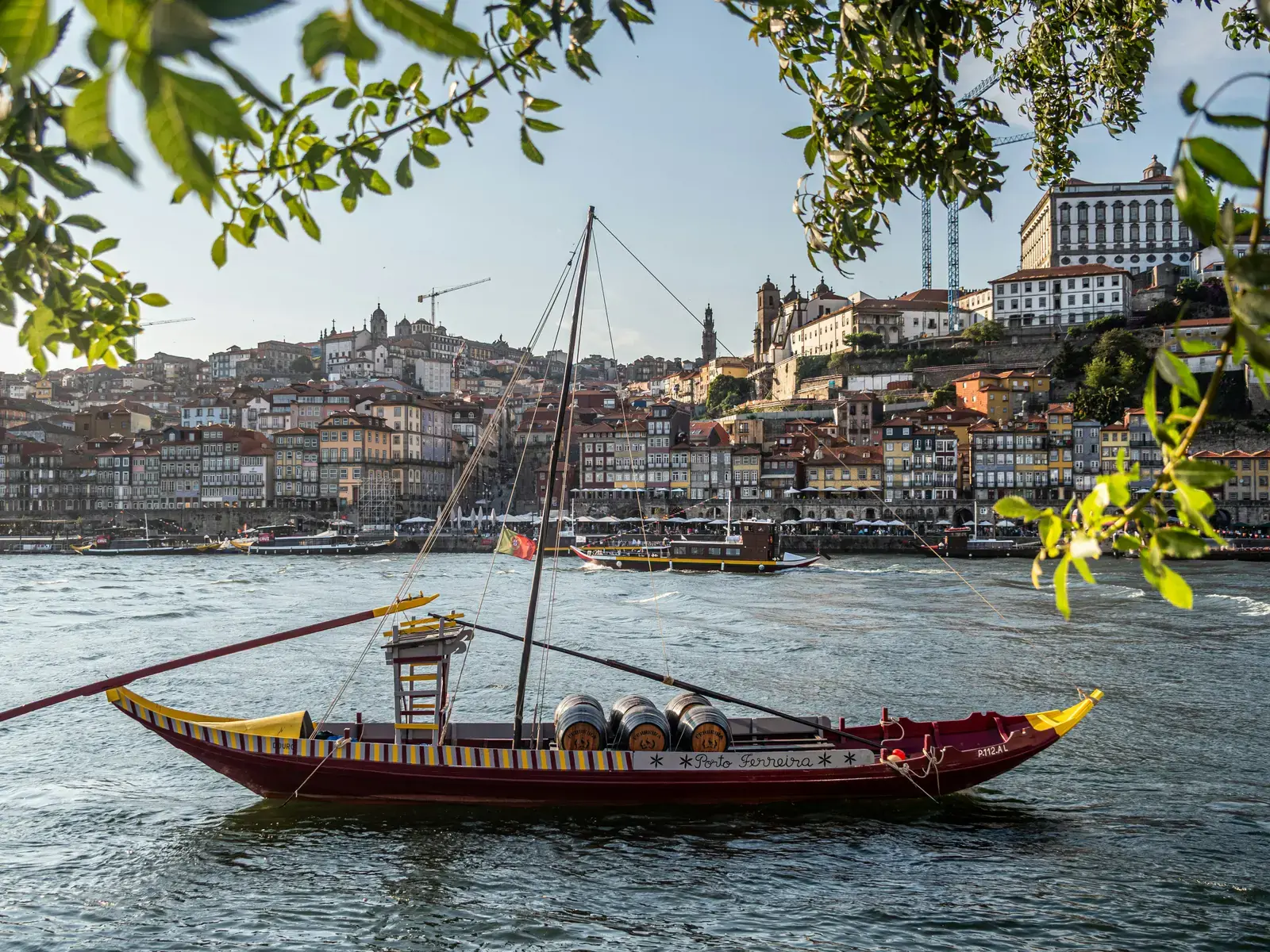
The port wine cellars in Gaia are open late for tastings, and many offer evening tours. The most famous cellars are along the riverfront, and they are well lit at night. If you are walking to the metro, you will pass by the cable car station, which is closed at night. The metro station at Jardim do Morro is modern and has elevators. The last train is usually not crowded, so you can find a seat. If you are with a group, you might prefer to take a taxi, which will cost around 8 euros to the centre of Porto. The taxi rank is near the cable car station, and you will find cars waiting. If you are using a ride-hailing app, the pickup point is on the main road, which is easy to find. A rabelo river cruise might end at the Ribeira docks, and from there you can take the metro or a taxi to your next stop. The cruise boats stop running in the evening, so you will not be able to take one back, but the walk across the bridge is a pleasant alternative.
Stay safe with these practical habits
Late-night transport in Porto is safe, but you should take a few precautions. Keep your wallet in a front pocket, especially in crowded buses or metro cars. Do not flash your phone or camera in empty streets. If you are travelling alone, let someone know your route. The emergency number in Portugal is 112, and it works for police, ambulance, and fire. If you are out late and feel unsure about the area, ask your restaurant or bar staff to call a taxi for you. They know the reliable drivers and can give you an estimate. Also, keep the address of your accommodation written down or saved on your phone, because drivers may not know the exact location of a short-term rental. If you are staying in a less central neighbourhood, like Bonfim or Campanhã, the walk from the metro may be uphill and dark, so consider taking a taxi for the last stretch. A little planning goes a long way, and you will enjoy your evening more knowing you have a way home.
The city of Porto has a low crime rate, and violent crime is rare. The most common issues are pickpocketing in crowded areas and petty theft from cars. At night, the main tourist areas are patrolled by police, and you will see them on foot and in cars. If you are walking, stay in well-lit areas and avoid shortcuts through parks or empty lots. The Ribeira is safe, but the steps leading up to the cathedral can be dark, so use the main streets. If you are using a ride-hailing app, check the driver's rating and make sure the car matches the description. Do not get into an unmarked car. The same goes for taxis: use official taxis with a taxi sign on the roof. If you are travelling with children, hold their hands and keep them close. The city is family-friendly, and you will see families out late, especially during the summer. The locals are used to tourists, and they are happy to help if you ask for directions.
Know your options for early morning departures
If you have a late night out and an early flight, you need to plan your trip to the airport. The metro line E runs from the city centre to the airport, but the first train is around 6:00 a.m., so if you need to be at the airport before that, you will need a taxi or ride-hailing app. The trip takes about 30 minutes, and the fare is around 25 euros. Alternatively, you can take the night bus 3M, which runs from Aliados to the airport, but it takes about 45 minutes and you need to check the schedule. If you are staying near the airport, you can walk to your hotel from the terminal, but most hotels are a short shuttle ride away. For a stress-free morning, book a taxi the night before or set your alarm to order a ride-hailing app. The airport is small, so you do not need to arrive too early, but give yourself at least 90 minutes for check-in and security.
The Porto airport is about 11 kilometres from the city centre, and the metro is the cheapest way to get there. The first metro from Trindade to the airport is around 6:00 a.m., and the journey takes 30 minutes. If you have a late flight, the last metro from the airport is around 1:00 a.m., so you can take it to the city. The night bus 3M runs from Aliados to the airport every 30 minutes, and the journey takes 45 minutes. The bus is safe, but it can be crowded with other travellers. If you are taking a taxi, the fare is around 25 euros, and the trip takes 20 minutes. The ride-hailing apps are also available, and the fare is similar. If you are staying in a hotel near the airport, you can take a free shuttle, but you need to check with the hotel. A Douro Valley day trip might end late, and if you have an early flight the next day, plan your return to Porto accordingly. The Douro Valley is about an hour and a half from Porto, and the last trains and buses leave early, so you might need to hire a private transfer.
Good to know
What time does the Porto metro stop running?
The metro typically stops around 1:00 a.m. on weekdays and later on weekends, but schedules vary by line. Check the station boards or the Metro do Porto app for exact times.
Are night buses safe in Porto?
Yes, night buses are generally safe, but they can be crowded. Keep your belongings close and stay alert, especially if you are alone.
How much does a taxi cost from Ribeira to Cedofeita at night?
Expect to pay around 8 to 10 euros for a 10-minute ride. Fares are metered, and drivers accept cash or card.
Is it safe to walk across the Dom Luís I bridge at night?
Yes, the upper deck is pedestrian-only and well lit. It is safe, but it can be windy and quiet, so walk with a friend if possible.
Can I use Uber or Bolt in Porto?
Yes, both operate in Porto. They are often cheaper than taxis, and you can see the fare upfront in the app.
Share this post


Useful for planning?
Receive notes like this once a month.