
Tipping, Cards and Cash: How Payment Usually Works in Porto
Practical guidance on tipping, card acceptance, and cash use in Porto, with local habits and logistics.
- Written by
- Miguel Enes
- Published
- Reading time
- 17 min read
Miguel Enes — More than 15 years building software and turning complex systems into simple, reliable guest-facing tools.
Start with a coffee at a Cedofeita cafe and watch the bill arrive
Sit down at a cafe on Rua de Miguel Bombarda in Cedofeita, order a espresso, and watch how the bill arrives. In Porto, the waiter brings the receipt to your table, often folded in a small tray or saucer. You pay at the table, not at a counter. The server returns with change or a card terminal. This simple rhythm sets the pattern for most meals and drinks across the city. The bill usually includes a service charge, called 'serviço', which is 10 percent of the total. This is not a tip; it is part of the price. You do not need to add anything on top. Many visitors assume the service charge is optional, but in practice it is standard and expected. If you pay by card, the terminal asks if you want to add a tip. Most locals select 'no tip' or round up to the nearest euro. You can do the same without worry.
The same pattern applies at a pastelaria on Rua de Santa Catarina or a restaurant in Ribeira. The service charge is already included, so the price you see on the menu is not the final amount. The menu may state 'serviço incluído' or '10% serviço'. If you are unsure, ask the waiter. In most cases, the service charge is not optional, and you should not feel obliged to leave an extra tip. However, if you receive exceptional service, a small cash tip of one or two euros is a kind gesture. The staff will appreciate it, but they will not expect it. This is a key difference from countries where tipping is the primary income for servers. In Porto, the service charge ensures a fair wage, so tipping is a bonus, not a necessity.
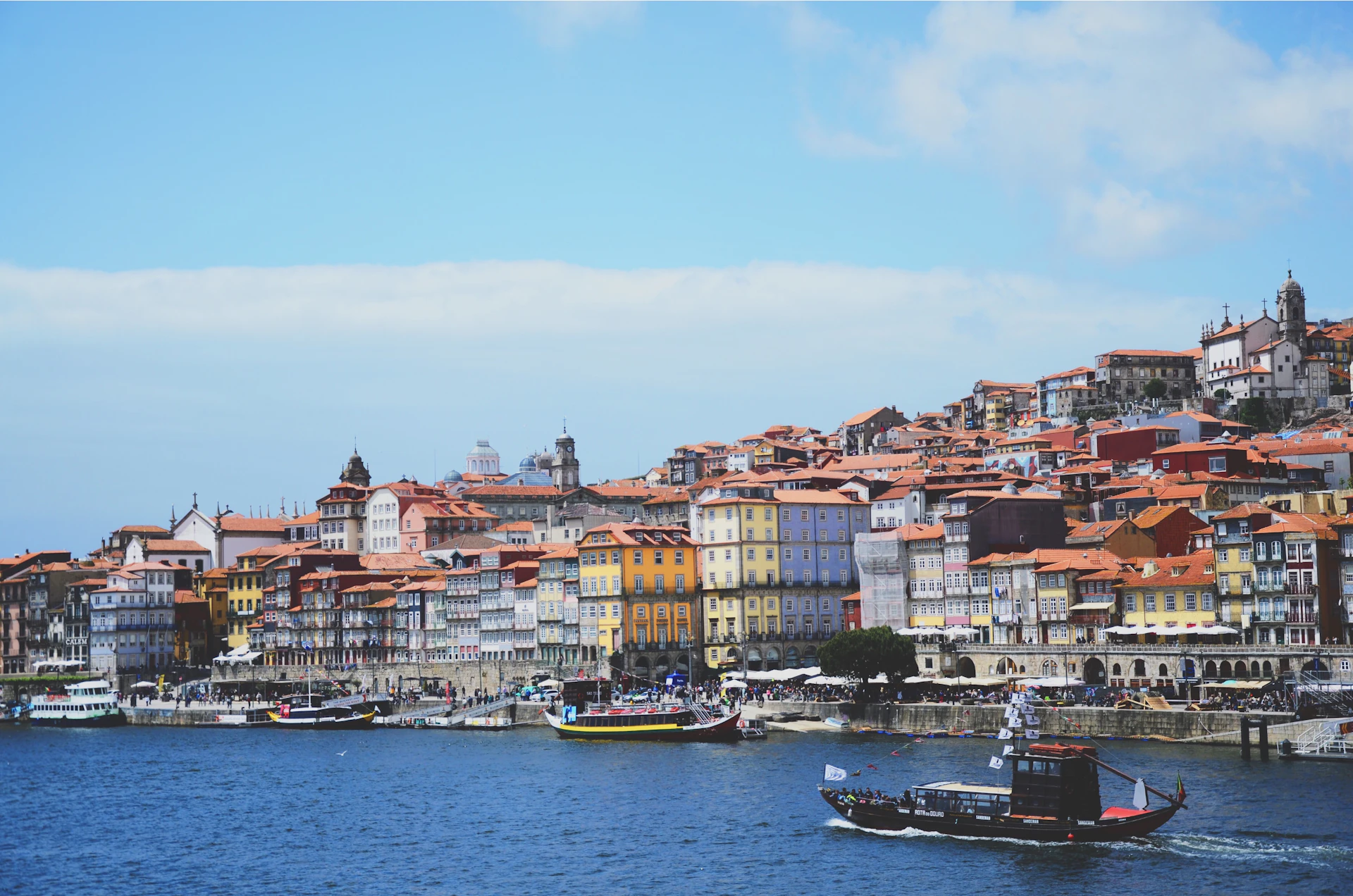
If you are on a Ribeira food walk, you will visit several small eateries. The guide will handle the bill for the group, but you may want to tip the guide at the end. A tip of five to ten euros per person is standard for a half-day food tour. The guide will not ask, but they will appreciate the gesture. You can pay the guide in cash or by card, depending on the arrangement. The food walk includes tastings, so you do not need to worry about paying for each stop separately. The guide will take care of the payments, and you can focus on enjoying the food and the stories behind it.
Carry a small amount of cash for the moments cards do not work
Cards work almost everywhere in Porto, from the Bolhão market stalls to the tram ticket office. Visa and Mastercard are widely accepted. American Express is less common, so keep a Visa or Mastercard as your backup. Contactless payments are standard, and you can tap for a coffee or a metro ticket. Still, carry 20 to 50 euros in cash for small purchases: a pastel de nata from a bakery, a bottle of water from a kiosk, or a tip for a tour guide. You will find ATMs across the city, but avoid the standalone machines on Rua de Santa Catarina that charge high fees. Use a bank ATM, such as Millennium BCP or Novo Banco, and choose 'credit' if your card allows it to avoid dynamic currency conversion. When the terminal asks if you want to pay in euros or your home currency, always choose euros. The exchange rate offered by your bank is better.
Cash is also useful for the historic tram Line 1, which runs from Ribeira to Passeio Alegre. The driver does not give change, so you need exact coins. The fare is around three euros, and you can pay with coins. The tram is a popular tourist attraction, and you may have to wait in line. While you wait, you can buy a drink from a nearby kiosk, and cash makes that easier. Similarly, the funicular from Batalha to Ribeira accepts the Andante card, but if you do not have one, you can buy a ticket with cash at the station. The ticket machine accepts coins and small notes. Having a few euros in your pocket saves you from missing the ride.
When you visit the Bolhão market, you will find vendors selling fresh fruit, cheese, and flowers. Many of them accept cards, but some prefer cash for amounts under five euros. If you buy a single apple or a small bunch of herbs, cash is faster and avoids the minimum card payment. The market is a great place to pick up a picnic lunch, and you can pay with a mix of cash and card. The vendors are friendly and will help you choose the best produce. You can also buy a traditional Portuguese sausage or a jar of honey to take home. These make excellent gifts, and cash is the easiest way to pay for them.
Tipping in restaurants: round up or leave a few coins
In a sit-down restaurant in Ribeira or Cedofeita, the service charge is already on the bill. If the service was good, you can leave a small extra: round up the total or leave 1 to 2 euros in cash. For a group of six or more, a 5 percent tip is generous. You do not need to tip 10 percent on top of the service charge. Locals rarely do. If you pay by card, the terminal may ask for a tip percentage. You can select 0 percent without causing offence. The staff expect this. If you want to leave a cash tip, place it on the table or hand it to the server directly. Do not leave it on the plate with the card, as it may be confused with payment.
Consider a typical dinner at a restaurant on Rua das Flores. The bill for two might come to 40 euros, including the service charge. If you round up to 45 euros, that is a generous tip. The server will appreciate it, but they will not chase you for more. In a more casual setting, such as a tasca on Rua de São João, the bill might be 15 euros. Leaving a one-euro coin is a nice gesture. The key is to match the tip to the level of service and the type of establishment. In a fine dining restaurant, a 5 percent tip is appropriate. In a neighbourhood eatery, rounding up is enough.
If you are on a Matosinhos seafood lunch, the restaurant will accept cards, but a cash tip is easier if you want to leave one. Matosinhos is known for its fresh fish, and the restaurants are busy at lunchtime. The service is efficient, and the staff are used to tourists. You can pay by card, and the terminal will ask if you want to add a tip. You can select a percentage or a custom amount. If you prefer to tip in cash, leave a few euros on the table. The staff will collect it after you leave. The seafood lunch is a highlight of any trip to Porto, and the tip is a small way to show your appreciation.
Tipping in taxis and ride-hailing: round to the nearest euro
When you take a taxi from São Bento station to your hotel, the meter shows the fare. Round up to the nearest euro or add 1 euro for a short ride. For a longer trip to Matosinhos, a 2 euro tip is fine. Uber and Bolt are common in Porto, and the app does not require a tip. You can add one after the ride if you wish, but it is not expected. If you hire a private driver for a day trip to the Douro Valley, a tip of 10 to 20 euros is appreciated, but only if the service was good. The driver will not ask. You can hand it over at the end of the journey. For a guided walking tour, a tip of 5 to 10 euros per person is standard, especially if the guide shared local stories and took you to places you would not have found alone.
Taxis in Porto are metered, and the rates are regulated. The starting fare is around 3.50 euros, and each kilometre costs about 0.50 euros. A ride from the airport to the city centre costs around 25 euros. If you take a taxi from Ribeira to Foz, the fare is about 8 euros. Rounding up to 10 euros is a generous tip. Ride-hailing apps often have surge pricing, so the fare may be higher than a taxi. In that case, you do not need to tip. The driver receives the full fare, and the app does not suggest a tip. If you want to tip, you can do so in cash, but it is not necessary.
For a private transfer arranged through Porto For You, the driver will meet you at the airport with a sign. The fare is agreed in advance, and you can pay by card or cash. A tip of 5 to 10 euros is appropriate if the driver helps with your luggage and drives safely. The driver will appreciate the gesture, but they will not expect it. You can hand the tip directly to the driver at the end of the journey. If you are on a Douro Valley day trip, the driver will be with you for the whole day. A tip of 20 euros is a generous thank you for a long day of driving. The driver will also act as a guide, sharing stories about the region and stopping at viewpoints. The tip is a way to acknowledge their effort.
Paying at markets and small shops: cash is king for small amounts
At the Bolhão market, you can pay by card at most stalls, but some vendors prefer cash for purchases under 5 euros. Keep coins handy for a piece of fruit or a small cheese sample. At the weekly flea market on Avenida dos Aliados, cash is the norm. Cards are not accepted at many stalls. If you plan to buy a vintage tile or a linen tablecloth, bring cash. In small shops on Rua das Flores, card payments are accepted, but the minimum may be 5 euros. If you buy a single postcard, you may need to pay cash. The same applies to public restrooms, which often charge 50 cents and only take coins. A few coins in your pocket save you from awkward moments.
The Bolhão market is a beautiful restored market hall with two floors. You will find fresh produce, meat, fish, and flowers. Many vendors have card terminals, but they may have a minimum purchase amount. If you only want a single tomato or a small bunch of parsley, cash is easier. The vendors are happy to help you choose, and they will wrap your purchases in paper. The market is a great place to buy a picnic lunch or ingredients for a home-cooked meal. You can also buy traditional Portuguese products like canned sardines, olive oil, and cork items. These make great souvenirs, and cash is the simplest way to pay for them.
The flea market on Avenida dos Aliados takes place on Saturday mornings. You will find antiques, second-hand books, and vintage clothing. The vendors are mostly cash-only, so bring a wad of small notes. You can haggle a little, but the prices are usually fair. If you find a unique piece, such as a hand-painted tile or a brass candlestick, you can negotiate a lower price. The vendors are friendly and enjoy a chat. Cash is the only way to pay, so be prepared. You can also find local crafts and souvenirs at the market, such as embroidered linens and ceramic bowls. These make lovely gifts, and you can support local artisans by buying directly from them.
Cards for transport: use the Andante card or contactless
For the metro, bus, and funicular, you need an Andante card. You can buy one at a metro station kiosk or a newsagent. The card costs 0.60 euros and you load it with credit. A single journey within the city costs about 1.20 euros. You can also use a contactless bank card on the metro gates, but the Andante card is cheaper for multiple trips. The historic tram Line 1 from Ribeira to Passeio Alegre accepts cash on board, but you need exact change. The driver does not give change. For the funicular from Batalha to Ribeira, you can use the Andante card or buy a ticket at the station. If you plan to use public transport often, load 10 euros on the Andante card. You can check the balance at any station machine.
The Andante card is a rechargeable smart card that works on the metro, buses, and the funicular. You can buy it at any metro station, such as Trindade or São Bento. The card itself costs 0.60 euros, and you can load it with any amount. A single journey within the city costs 1.20 euros, and a day pass costs about 4.50 euros. If you are staying for a few days, the day pass is a good value. You can also use the card on the commuter trains to Gaia or Matosinhos. The card is valid for one year, so you can keep it for your next visit.
If you prefer to use contactless, you can tap your bank card on the metro gates. The system will charge you the single fare, and it will cap the daily total at the price of a day pass. This is convenient if you do not want to buy an Andante card. However, the Andante card is cheaper if you make multiple trips in a day, because the contactless system charges per journey without a discount. For example, if you take three metro rides in a day, the contactless system will charge you 3.60 euros, while the Andante card would charge you 3.60 euros as well, but the day pass would be 4.50 euros. The difference is small, but the Andante card is more flexible.
The historic tram Line 1 is a tourist attraction in itself. The wooden trams run along the river from Ribeira to Passeio Alegre. The fare is 3 euros, and you pay in cash to the driver. The driver does not give change, so bring coins. The tram is often crowded, so you may have to stand. The ride takes about 20 minutes and offers lovely views of the Douro River. You can get off at Passeio Alegre and walk along the promenade to the Foz district. The tram is a fun way to travel, and the cash payment is a small part of the experience.
Tipping in hotels and for port wine tastings
In hotels, leave a small tip for housekeeping: 1 to 2 euros per night, placed on the pillow or bedside table. For the concierge who books a restaurant or arranges a taxi, a 5 euro tip is appropriate. If you take a port wine tasting at a Gaia lodge, the tasting fee includes the guide. You can tip the guide 2 to 5 euros if you enjoyed the experience. For a private port tasting arranged through Porto For You, the price includes the guide and the tasting. You do not need to tip, but a small gesture is welcome. If you take a Gaia port wine cellar tasting, the staff will not expect a tip, but they will appreciate it if you round up the bill.
Hotels in Porto range from boutique guesthouses to large international chains. The tipping etiquette is similar to other European cities. For housekeeping, leave a small tip each day, as the staff may change. Place the tip in an envelope with a note saying 'obrigado' or 'thank you'. For the concierge, a tip is appropriate for special services, such as booking a hard-to-get restaurant reservation or arranging a private tour. The concierge will not ask for a tip, but they will remember you if you are generous. For the bellman who carries your bags, a tip of 1 to 2 euros per bag is standard.
Port wine tastings are a popular activity in Gaia, across the river from Porto. The lodges offer tours and tastings, and the price includes a guide. The guide will explain the history of port wine and the different styles. At the end of the tasting, you can tip the guide if you enjoyed the experience. A tip of 2 to 5 euros per person is appropriate. If you buy a bottle of port at the lodge, you can pay by card. The staff will wrap it for travel. If you take a private tasting, the price is higher, but the tip is not included. You can tip the guide 10 euros if you feel they provided exceptional service.
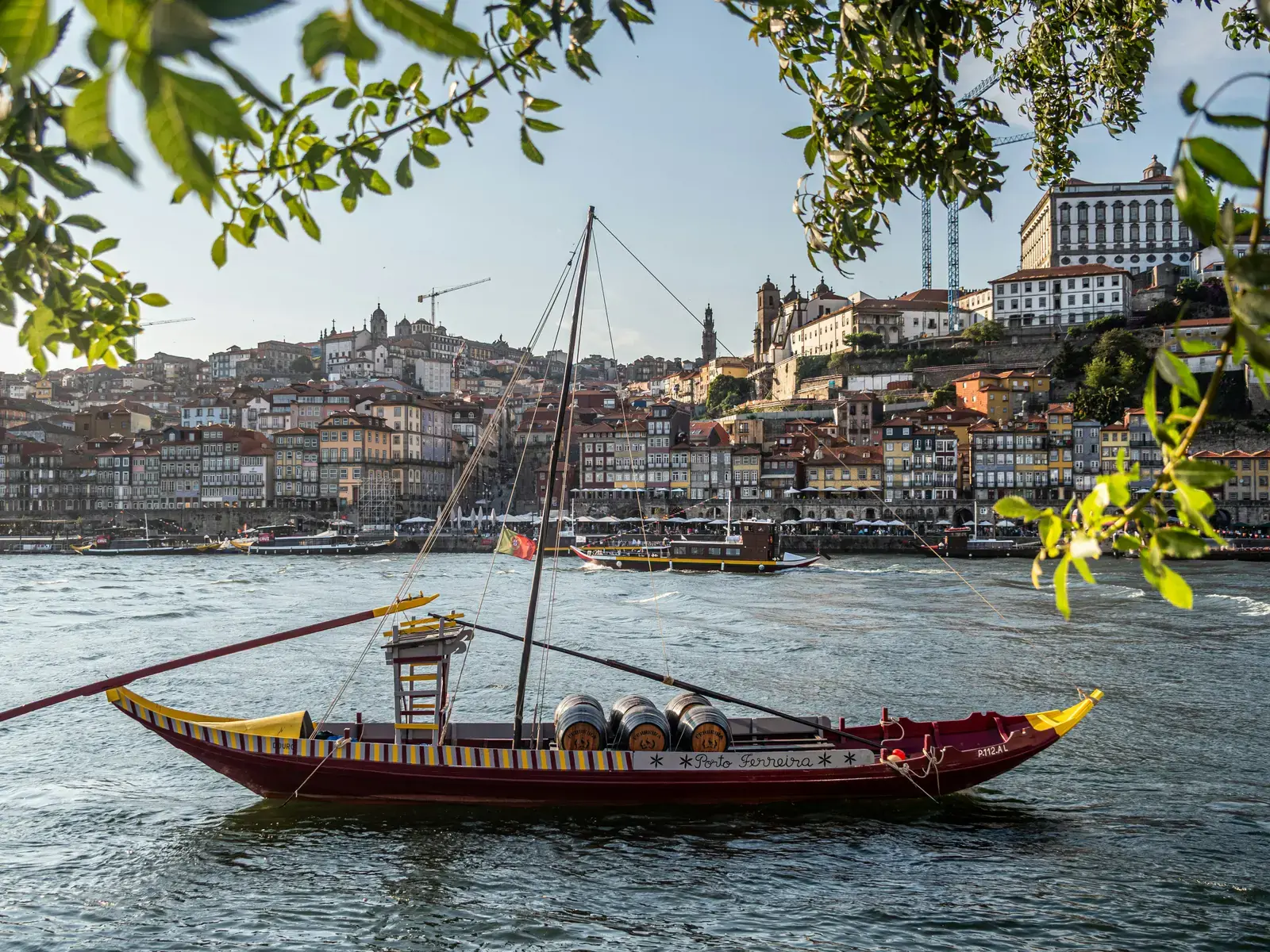
If you are on a Rabelo Douro river cruise, the ticket office accepts cards, but the onboard bar may only take cash. Carry a few euros for a drink. The cruise lasts about 50 minutes and takes you under the Dom Luís I bridge and past the Ribeira district. The crew will point out landmarks and share stories. At the end of the cruise, you can tip the crew if you wish. A tip of 1 to 2 euros per person is fine. The crew will not expect it, but they will appreciate it. The cruise is a relaxing way to see the city from the water, and the cash for a drink is a small extra.
When to use cash for experiences and day trips
For a Douro Valley day trip, the driver and guide may accept card for the booking, but bring cash for lunch at a local restaurant or for buying a bottle of port from a small producer. Many quintas do not have card terminals. For a Matosinhos seafood lunch, the restaurant will accept cards, but a cash tip is easier if you want to leave one. For a Ribeira food walk, the guide will accept card for the booking, but you may want cash for a coffee stop or to buy a snack from a street vendor. For a Rabelo Douro river cruise, the ticket office accepts cards, but the onboard bar may only take cash. Carry a few euros for a drink.
If you book a private experience through Porto For You, the payment is handled by card or bank transfer. You do not need cash for the booking itself. But for any incidental expenses, such as a taxi or a snack, cash is useful. Keep a mix of cards and cash, and you will be prepared for any situation. The Douro Valley is a beautiful region of terraced vineyards and river cruises. A day trip usually includes a visit to a quinta, a wine tasting, and a traditional lunch. The lunch may be at a restaurant that accepts cards, but some smaller quintas only take cash. Bring enough cash to cover a meal and a bottle of port, which can cost around 20 euros.
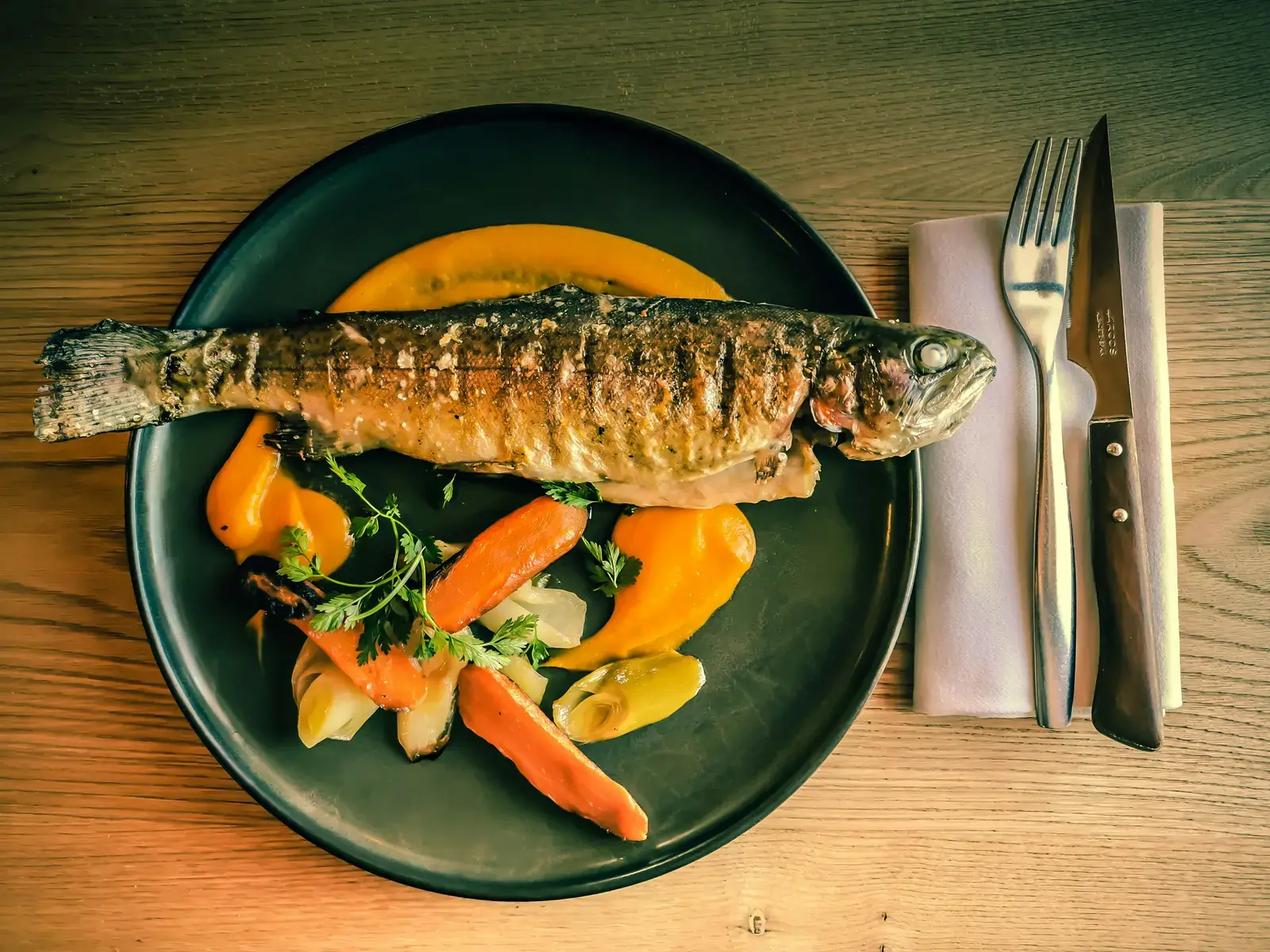
The Matosinhos seafood lunch is a highlight for many visitors. The restaurants are located near the fish market, and the catch of the day is displayed on ice. You can choose your fish and have it grilled. The meal is usually served with potatoes and vegetables. The bill includes the service charge, and you can pay by card. If you want to leave a tip, a few euros in cash is fine. The staff are used to tourists and will appreciate the gesture. The lunch is a leisurely affair, and you can spend a couple of hours enjoying the food and the sea breeze.
The Ribeira food walk is a great way to sample local specialties. You will visit a tasca for petiscos, a bakery for pastel de nata, and a wine bar for a glass of port. The guide will handle the payments, but you may want to buy a drink at a stop that is not included. Cash is useful for these extras. The walk takes about three hours and covers the historic centre. You will learn about the history of Porto and the origins of its cuisine. The guide will also give you recommendations for other restaurants and bars to try. At the end of the walk, you can tip the guide in cash or by card, depending on the arrangement.
Good to know
Is tipping expected in Porto?
Tipping is not expected, but it is appreciated for good service. The service charge is included in the bill, so you only need to tip extra if you want to.
Can I pay with a credit card everywhere in Porto?
Most places accept Visa and Mastercard, but some small shops and market stalls may only accept cash for purchases under 5 euros. American Express is less common.
Should I use cash or card for public transport?
For the metro and bus, use an Andante card or contactless bank card. The historic tram requires cash with exact change.
How much should I tip a tour guide in Porto?
For a half-day tour, 5 to 10 euros per person is standard. For a full-day tour, 10 to 20 euros per person is appropriate.
What is the best way to get cash in Porto?
Use a bank ATM, such as Millennium BCP or Novo Banco, and choose to be charged in euros. Avoid standalone ATMs on busy streets that charge high fees.
Share this post

Useful for planning?
Receive notes like this once a month.