
A Dry Porto Rainy Day Itinerary
Stay dry in Porto with a covered route through markets, museums, tunnels, and port cellars.
- Written by
- Miguel Enes
- Published
- Reading time
- 14 min read
Miguel Enes — More than 15 years building software and turning complex systems into simple, reliable guest-facing tools.
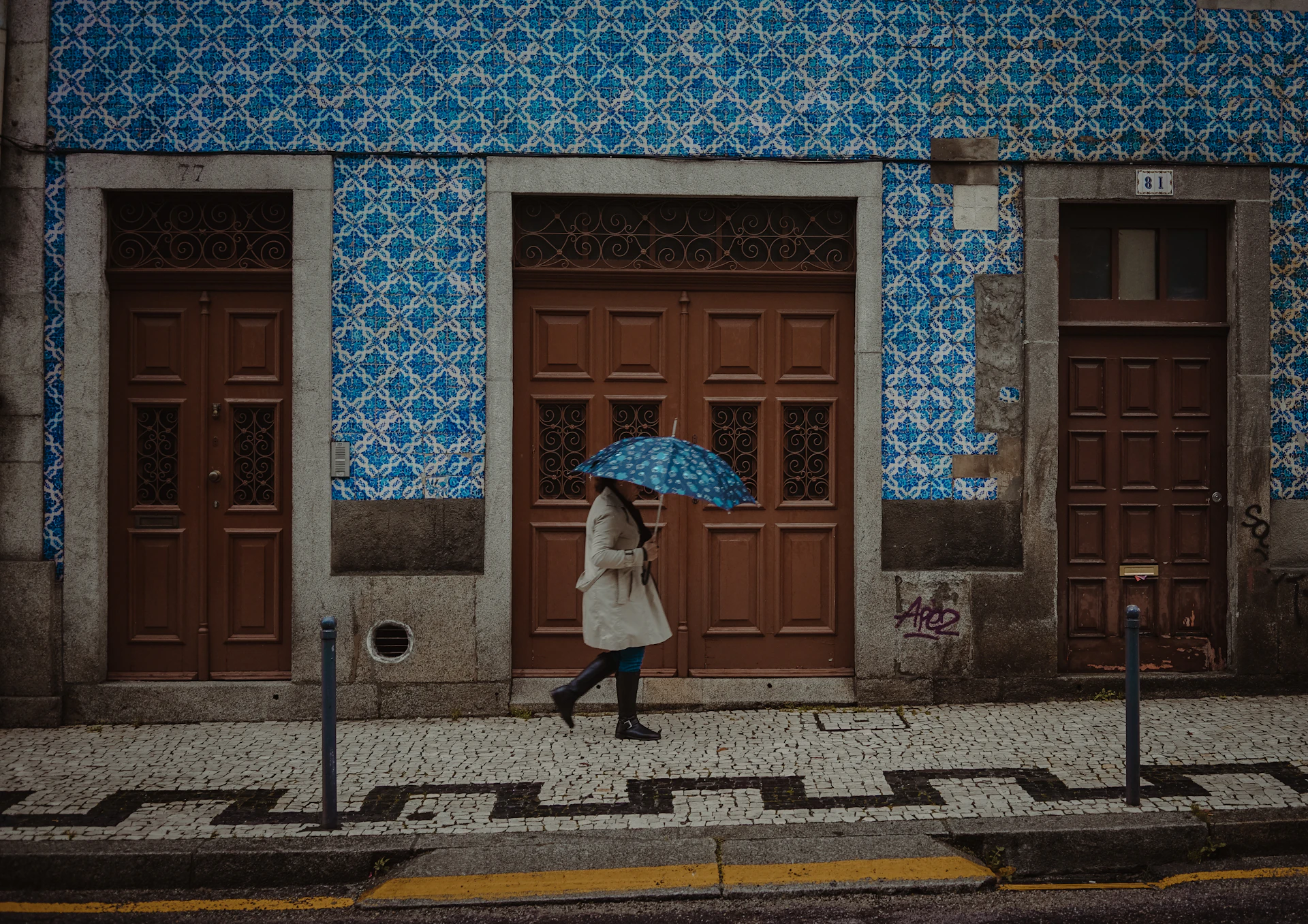
Start with coffee under the Bolhão canopy
When the rain starts in Porto, head to the Mercado do Bolhão on Rua Formosa. The restored market hall keeps its iron frame and glass roof, so you can wander the stalls without opening your umbrella. Buy a bica at a counter stall and watch the fishmongers wrap cod in paper. The market opens early, and the produce vendors finish by early afternoon, so arrive before 11:00 to see the full display. The market is a working place, not a tourist attraction, so you will see locals doing their daily shopping. The ground floor is for fruit, vegetables, and flowers, while the upper galleries hold butchers and fishmongers. The glass roof lets in a soft, grey light, and the air smells of wet stone and fresh herbs. Take your time to walk every aisle, because the stalls are arranged in a grid that rewards a slow circuit. If you are hungry, the market has a few small eateries that serve breakfast and light snacks. A pastel de nata with a coffee is a classic start, and the custard tart is best eaten warm. The market is busiest in the morning, so the noise of vendors calling out and the clatter of crates will surround you. This is a good place to buy a small jar of local honey or a bag of dried fruit for later. The market is also a shelter from the downpour, and you can wait out a heavy shower under the glass while sipping your coffee.
From Bolhão, walk two blocks south to Rua de Santa Catarina. The street's covered arcades run for several blocks, letting you shop for linen, shoes, and ceramics while staying dry. The arcades are a series of overhangs and colonnades that protect the shopfronts, and you can walk from one end of the street to the other without stepping into the rain. The street is one of Porto's main shopping arteries, and it is always busy with a mix of locals and visitors. You will pass clothing stores, shoe shops, and souvenir shops, but the most interesting windows are the traditional ones that sell azulejo tiles and hand-painted crockery. If you need a longer break, step into the Café Majestic on the same street. The interior is gilded and mirrored, and the waiters expect you to order something, so take a seat and order a toast or a glass of wine. The café is a Belle Époque relic, with velvet chairs and marble tables, and it is a place to linger rather than rush. The prices are higher than a typical café, but the experience is worth it for the atmosphere. The windows look out onto the wet street, and you can watch the umbrellas pass while you warm your hands on a cup of tea. This start gives you a slow, dry entry into the day, and it sets a pace that will carry you through the rest of the itinerary.
Cross the tunnel to São Bento and the cathedral
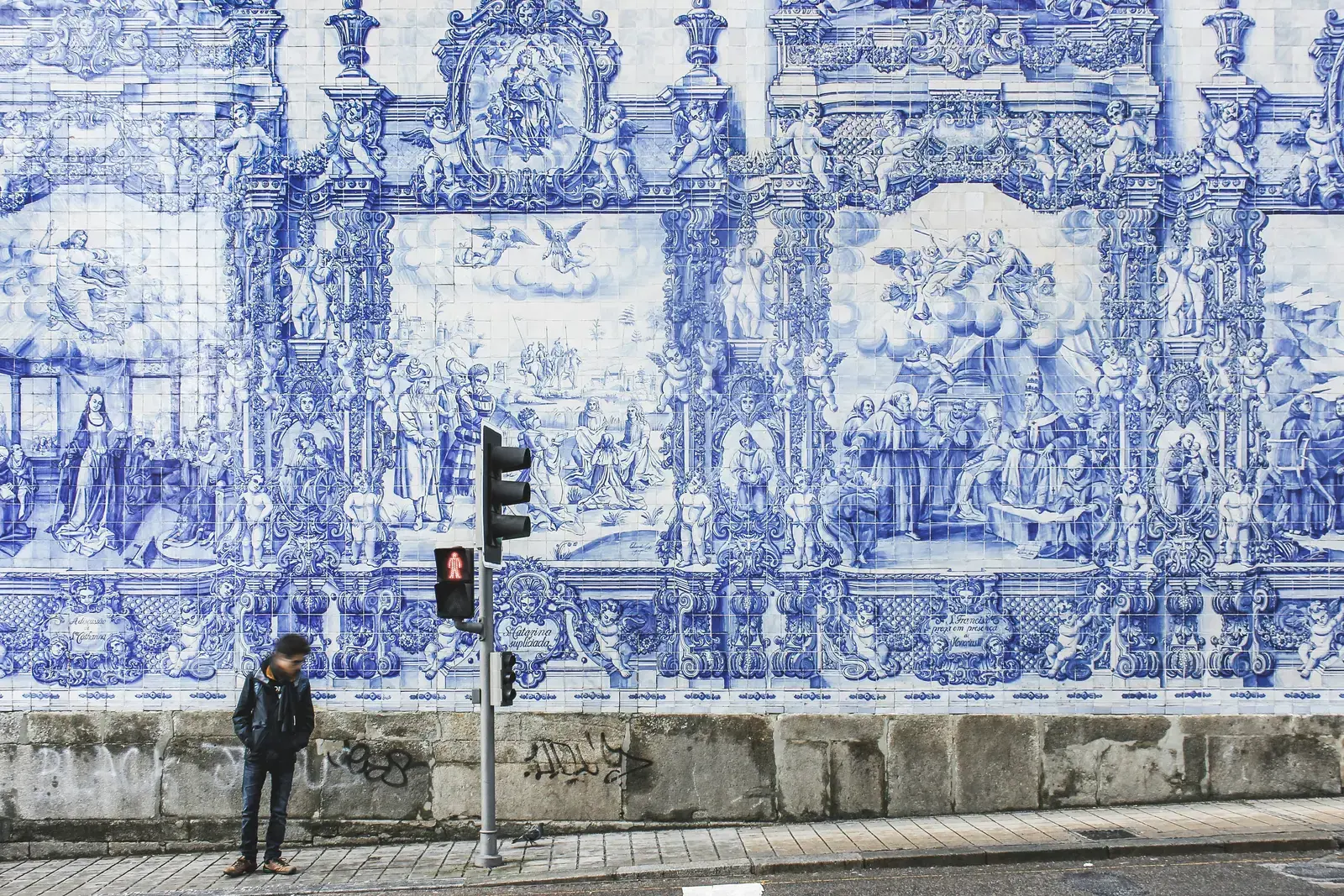
After the market, walk south on Rua 31 de Janeiro toward the São Bento station. The street is a gentle downhill slope, and the buildings on either side provide some cover from the rain. The station's main hall is covered in blue-and-white azulejo panels that show transport history and rural scenes. You can stand under the clock and read the panels without getting wet. The panels were installed in the early 20th century and depict scenes from Portuguese history, including the Battle of Valdevez and the conquest of Ceuta. The station is a working hub, so keep your bag close and let commuters pass. The hall is always busy, but the crowd moves quickly, and you can find a spot near the walls to admire the tiles. The azulejos are a deep blue on a white background, and they cover the walls up to the ceiling. The effect is immersive, and you can spend a good twenty minutes tracing the stories in the tiles. If you are interested in the art of azulejos, you might want to join a guided walk that focuses on the tiles around the city, such as a Porto azulejos architecture walk that takes you to other tiled facades and interiors.
From São Bento, take the pedestrian tunnel that connects the station to the cathedral hill. The tunnel is short and lit, and it spits you out near the Sé do Porto. The tunnel is a practical passage that saves you from climbing the steep streets in the rain, and it is used by locals and tourists alike. The cathedral's cloister is partly covered, and the terrace offers a view of the Ribeira rooftops, but the rain will blur the river. If the downpour is heavy, skip the terrace and spend time inside the cathedral, where the gilded altarpiece and the silver processional crosses are worth a slow look. The cathedral is a Romanesque building that has been modified over the centuries, and its interior is a mix of styles. The main chapel is decorated with a large silver altarpiece that is a masterpiece of Portuguese metalwork. The cloister is a quiet space with a small garden, and the walls are lined with azulejo panels that depict scenes from the life of the Virgin Mary. The cathedral is a place of worship, so be respectful and keep your voice low. This route keeps you under cover for most of the walk, and you will emerge at the cathedral with a sense of having travelled through the city's layers.
Lunch under the Ribeira arcades
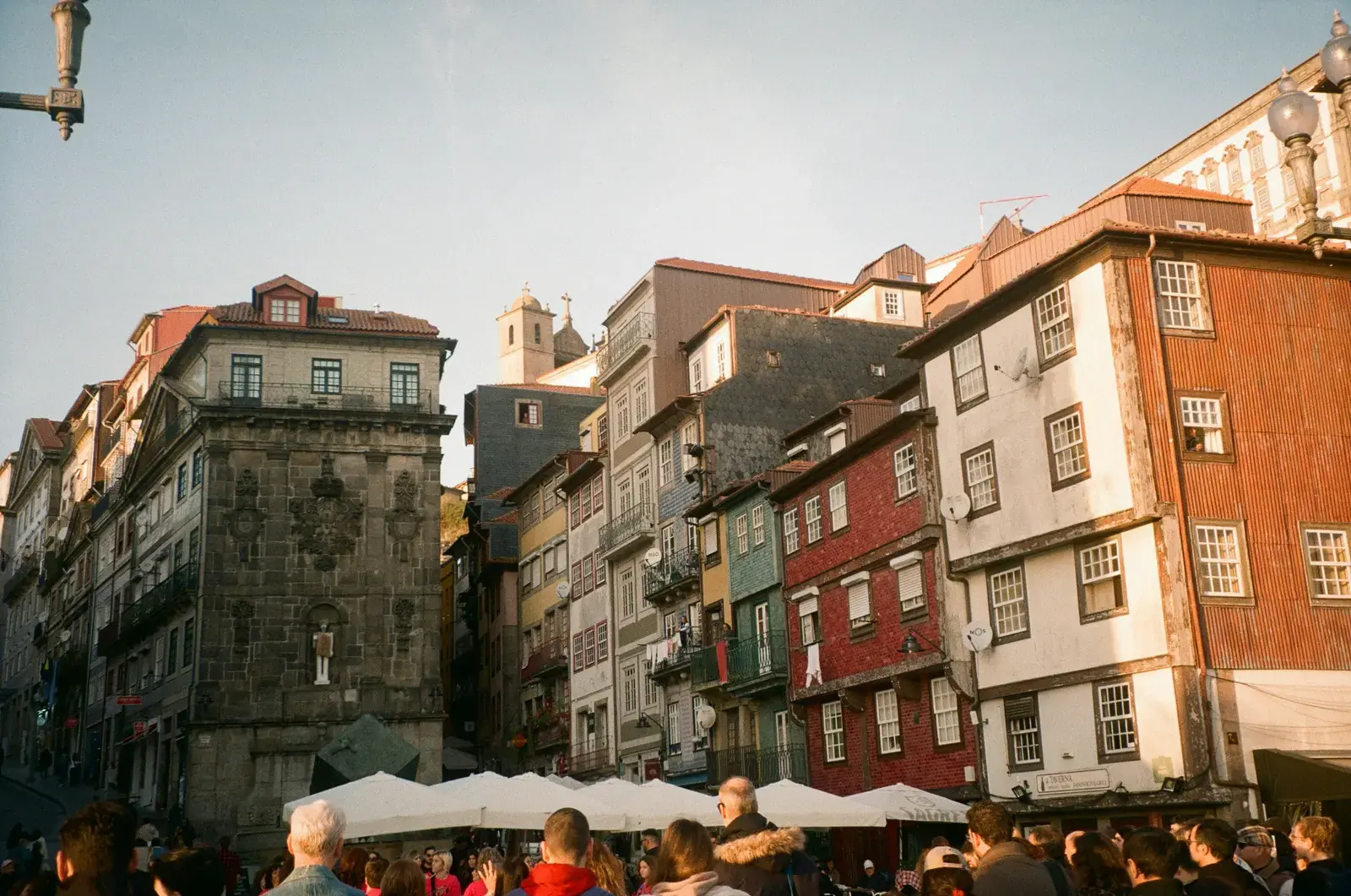
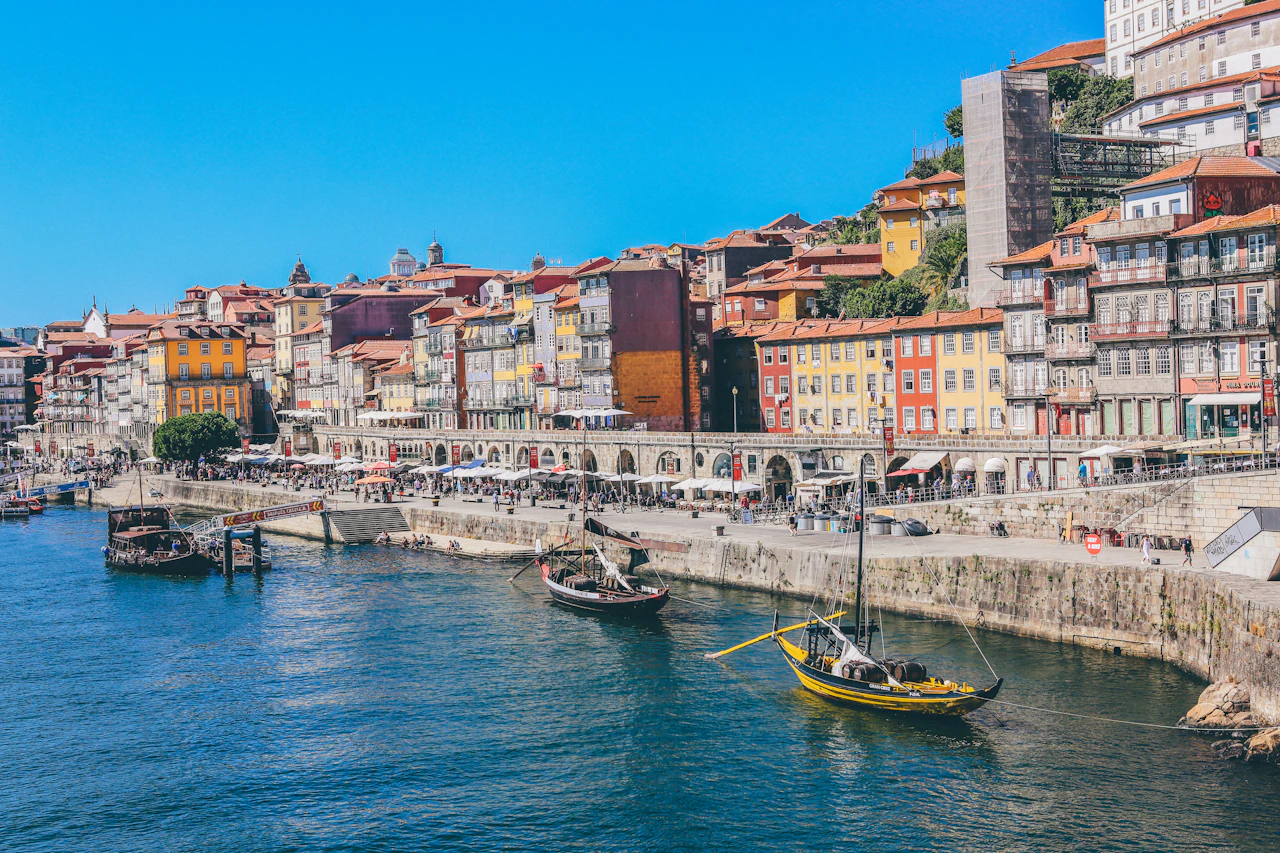
From the cathedral, descend the stone steps to the Ribeira. The riverside square is lined with restaurants that have deep arcades, so you can eat outside while staying dry. The arcades are supported by granite columns, and they create a covered walkway that runs along the riverfront. The restaurants set their tables under these arcades, and the waiters are used to the rain, so they will seat you in a spot that is protected from the wind. Look for a place that serves francesinha, the local sandwich stacked with ham, sausage, and steak, then covered in melted cheese and a tomato-beer sauce. The sauce is heavy, so share it if you are not hungry. A bowl of caldo verde, the potato and kale soup, is a lighter option that warms you quickly. The soup is made with thinly sliced kale, potatoes, and a slice of chouriço, and it is a staple of Portuguese comfort food. The restaurants in the Ribeira are tourist-oriented, but the food is still good, and the setting is unbeatable. You can watch the rabelo boats bob on the Douro while you eat, and the rain adds a dramatic backdrop to the scene.
After lunch, walk along the Cais da Ribeira under the building overhangs. The arcades continue for a few blocks, and you can watch the rabelo boats bob on the Douro. The boats are flat-bottomed with a distinctive square sail, and they were once used to transport port wine from the Douro Valley to the lodges in Gaia. Now they are used for river cruises, and you can see them lined up along the quay. If the rain lets up, cross the Dom Luís I bridge on the lower deck to Vila Nova de Gaia. The bridge's lower walkway is exposed, so wait for a lull. The bridge is a double-deck iron structure that was designed by a student of Gustave Eiffel, and it offers stunning views of the river and the city. On the Gaia side, the port wine lodges sit on the hill, and most offer tours that keep you indoors. You can also join a guided tasting that explains the difference between tawny and ruby port. For a structured route, consider a Ribeira food walk that covers the arcade eateries and the market stalls. The walk will take you to places you might not find on your own, and it is a good way to sample a variety of dishes.
Tour a port lodge in Gaia
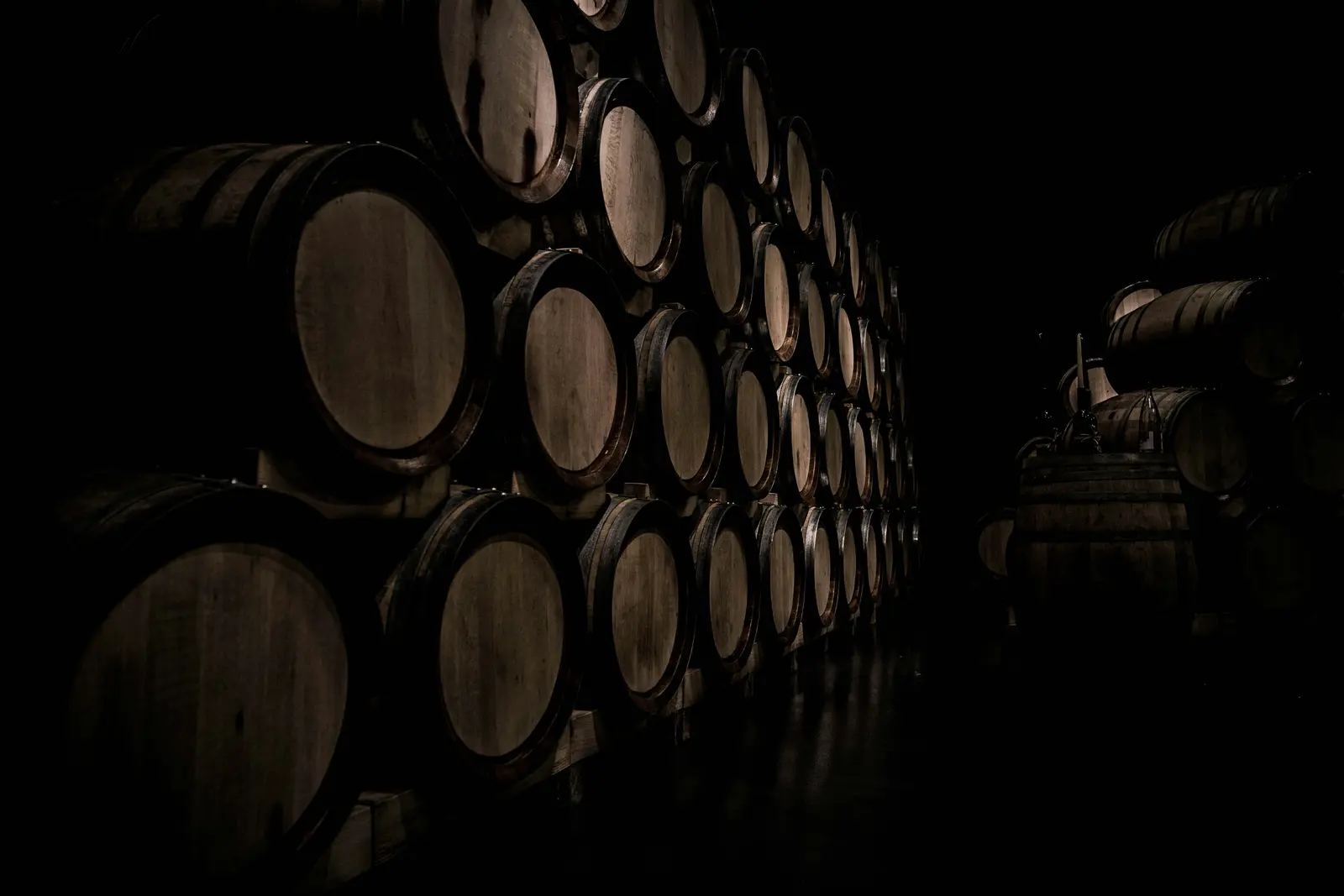
In Gaia, the port lodges are clustered along Avenida Diogo Leite and the streets above. Choose one lodge that offers a guided tour, because the tours take you into the cellars where the barrels age in the cool, damp air. The cellars are naturally humid, which is perfect for the wine, and the temperature stays steady, so you will feel comfortable even if the rain is cold outside. Most tours last about an hour and end with a tasting of two or three ports. The guides explain the history of port wine, from the vineyards in the Douro Valley to the aging process in the lodges. You will see rows of oak barrels, some of which are decades old, and you will learn about the different styles of port, including ruby, tawny, and vintage. The cellars are dimly lit, and the air is thick with the smell of wine and wood. The tour is a sensory experience, and it is a great way to spend a rainy afternoon.
If you prefer a more comprehensive experience, book a Gaia port wine cellar tasting that includes a guide and a range of styles. The lodges are all within a ten-minute walk of each other, so you can compare a small producer with a large one. Some lodges have been in the same family for generations, while others are owned by international companies. The tasting will give you a chance to try a variety of ports, from a dry white port to a sweet vintage port. After the tasting, take the cable car from the riverside up to the top of Gaia, but note that the cable car is exposed, so only ride if the rain is light. Otherwise, walk back across the bridge on the upper deck, which is covered by the bridge's ironwork, and enjoy the view of the rain-slicked city. The upper deck is used by the metro, but there is a pedestrian walkway that is protected from the rain by the bridge's structure. The view from the top is panoramic, and you can see the entire city spread out below you, with the river winding through it.
Visit the Serralves museum and its covered walkways
If the rain persists into the afternoon, take the 502 bus from Aliados to the Serralves museum. The bus ride takes about 20 minutes, and the museum is a modern building with a minimalist interior that feels spacious on a grey day. The permanent collection focuses on contemporary art, and the temporary exhibitions change regularly. The museum's café is a good place to rest, with large windows overlooking the gardens. The museum is set in a large park, and the building itself is a work of art, with clean lines and natural light. The galleries are spacious, and you can wander through them at your own pace. The art is thought-provoking, and it offers a contrast to the historic buildings you have seen earlier in the day. The museum is a cultural highlight of Porto, and it is a popular destination for both locals and visitors.
The gardens at Serralves are extensive, but the rain will make the paths muddy. Instead, walk the covered walkway that connects the museum to the villa, a pink Art Deco mansion that houses a small collection of decorative arts. The walkway is glass-roofed, so you can see the trees while staying dry. The villa is a beautiful example of Art Deco architecture, with elegant rooms and period furniture. The collection includes ceramics, glassware, and textiles, and it gives you a sense of how the wealthy lived in the early 20th century. If you have time, the library in the villa is quiet and warm, and you can browse the art books. The library is a peaceful place to escape the rain, and it is a good spot to reflect on the day. This is a slower, more contemplative part of the day, and it balances the earlier crowds. After visiting the museum and the villa, you can take the bus back to the city centre, or if the rain has stopped, you can walk through the gardens and enjoy the fresh air.
Dine in a covered market or a traditional tasca
For dinner, head back to the city centre and look for a tasca, a small family-run restaurant that serves home-style Portuguese food. Many tascas are on Rua de Miguel Bombarda or in the Cedofeita neighbourhood, and they often have a few tables under awnings or in a covered courtyard. Order grilled sardines if they are in season, or a plate of bacalhau à brás, which is shredded cod with potatoes and eggs. The portions are generous, and the bread and olives arrive without asking, but you pay for them, so eat them if you want to avoid the charge. The tascas are informal, and the service is friendly. You will often be the only tourists in the room, and the other diners will be locals who have been coming for years. The food is simple but delicious, and it is a true taste of Porto. The wine list is usually short, but the house wine is good and inexpensive.
If you prefer a more casual setting, the Mercado do Bolhão has a food court that stays open into the evening on some days. The stalls serve petiscos, small plates meant for sharing, and you can try a variety of wines by the glass. The market's glass roof keeps the rain out, and the atmosphere is lively. The food court is a recent addition to the market, and it has become a popular spot for locals to meet after work. You can order a plate of alheira, a smoked sausage made with bread and meat, or a serving of pataniscas, which are cod fritters. The portions are small, so you can try several dishes. After dinner, take a short walk to the São Bento station to see the azulejo panels lit up at night, which is a different experience from the daytime view. The station is quiet after the last trains, so you can stand and admire the tiles without the crowd. The lighting is softer, and the tiles seem to glow in the dim light.
End with a nightcap in a covered bar
Finish the day with a drink at a bar that has a covered terrace or an indoor lounge. The Ribeira has several bars with windows facing the river, but they fill up quickly, so arrive before 22:00. Alternatively, the Clérigos tower area has bars on Rua das Flores, which is a narrow street with awnings that keep the rain off. Order a glass of port or a ginjinha, a sour cherry liqueur, and watch the rain streak the windows. The bars in this area are a mix of traditional and modern, and you can find a quiet corner to relax. The ginjinha is often served in a small chocolate cup, which you can eat after drinking the liqueur. It is a sweet and warming drink, perfect for a rainy night.
If you are staying near Aliados, the Majestic Café is open late and offers a quiet, ornate setting for a final coffee or a glass of wine. The staff are used to travellers, and you can linger without feeling rushed. The café is a landmark in its own right, and it is a fitting end to a day of exploring. As you walk back to your accommodation, the wet cobblestones reflect the streetlights, and the city feels intimate. You have spent the day indoors, but you have seen the layers of Porto that are often missed in good weather. The rain has given you a reason to slow down and look closer, and you have discovered that Porto is a city that is best experienced at a leisurely pace. The next time it rains, you will know exactly where to go.
Good to know
What is the best way to get around Porto on a rainy day?
Use the metro and buses for longer distances, and walk under arcades and awnings for short hops. The metro runs underground in the centre, and the 500 bus goes along the river. Taxis and ride-hailing apps are easy to find if you prefer door-to-door.
Are the port wine cellars open in the rain?
Yes, the cellars are open year-round, and the tours are indoors. The cellars are naturally humid, so the rain does not affect them. Check the opening hours for each lodge, as they vary by season.
Can I visit the São Bento station without a ticket?
Yes, the station is a public building, and the main hall is open to everyone. You can walk through and view the azulejo panels for free. The platforms are also accessible, but you need a ticket to pass the gates.
What should I wear for a rainy day in Porto?
Wear waterproof shoes with good grip, because the cobblestones get slippery. Bring a compact umbrella and a light raincoat, as the rain can be intermittent. Layers are useful because the temperature can vary between the riverside and the hills.
Are there any indoor markets besides Bolhão?
The Mercado do Bolhão is the main covered market. There is also the Mercado Ferreira Borges near the Ribeira, which hosts events and has a covered hall, but it is not a daily food market. Check the schedule for temporary markets.
Share this post
Useful for planning?
Receive notes like this once a month.