
A Quiet Two-Day Porto Plan for Couples
A calm, logistics-first Porto weekend for two with neighbourhood order, transit, and meals.
- Written by
- Miguel Enes
- Published
- Reading time
- 13 min read
Miguel Enes — More than 15 years building software and turning complex systems into simple, reliable guest-facing tools.
Choose a base near Aliados
Start your weekend by settling into a hotel or apartment within a five-minute walk of Praça da Liberdade. This puts you on the flat axis between the river and the shopping streets, so you can return mid-afternoon for a rest without climbing the hills twice. Rua de Santa Catarina, Rua do Almada, and Rua de Cedofeita all branch off this square, and each offers a different evening atmosphere. From Aliados, the São Bento station is a ten-minute downhill stroll, and the Ribeira is another five minutes beyond that. The square itself is lined with grand buildings, including the city hall, and the gardens at its centre are a pleasant place to sit with a coffee from a nearby kiosk. In the late afternoon, the light softens the granite facades, and the sound of trams passing on Rua dos Clérigos becomes a gentle background hum.
If you prefer a quieter morning, choose a room on Rua de Cedofeita itself. The street fills with small galleries and cafes, but the side streets stay calm until late. You will wake to the sound of trams on Rua dos Clérigos rather than delivery vans. Ask your host for a room facing the interior courtyard if the building has one. For a first Porto weekend, the convenience of Aliados outweighs the charm of a riverside room, because you can walk everywhere and leave your luggage locked away until departure. The area also has excellent transport links: the Trindade metro station is a five-minute walk north, and the São Bento station is downhill to the east. If you arrive by train at Campanhã, take the metro directly to Trindade and walk to your accommodation, avoiding the steep climb from the river. Many apartments in this area are in renovated buildings with original tilework, so you get a sense of the city's character without sacrificing comfort.
Morning: Azulejos and a slow breakfast
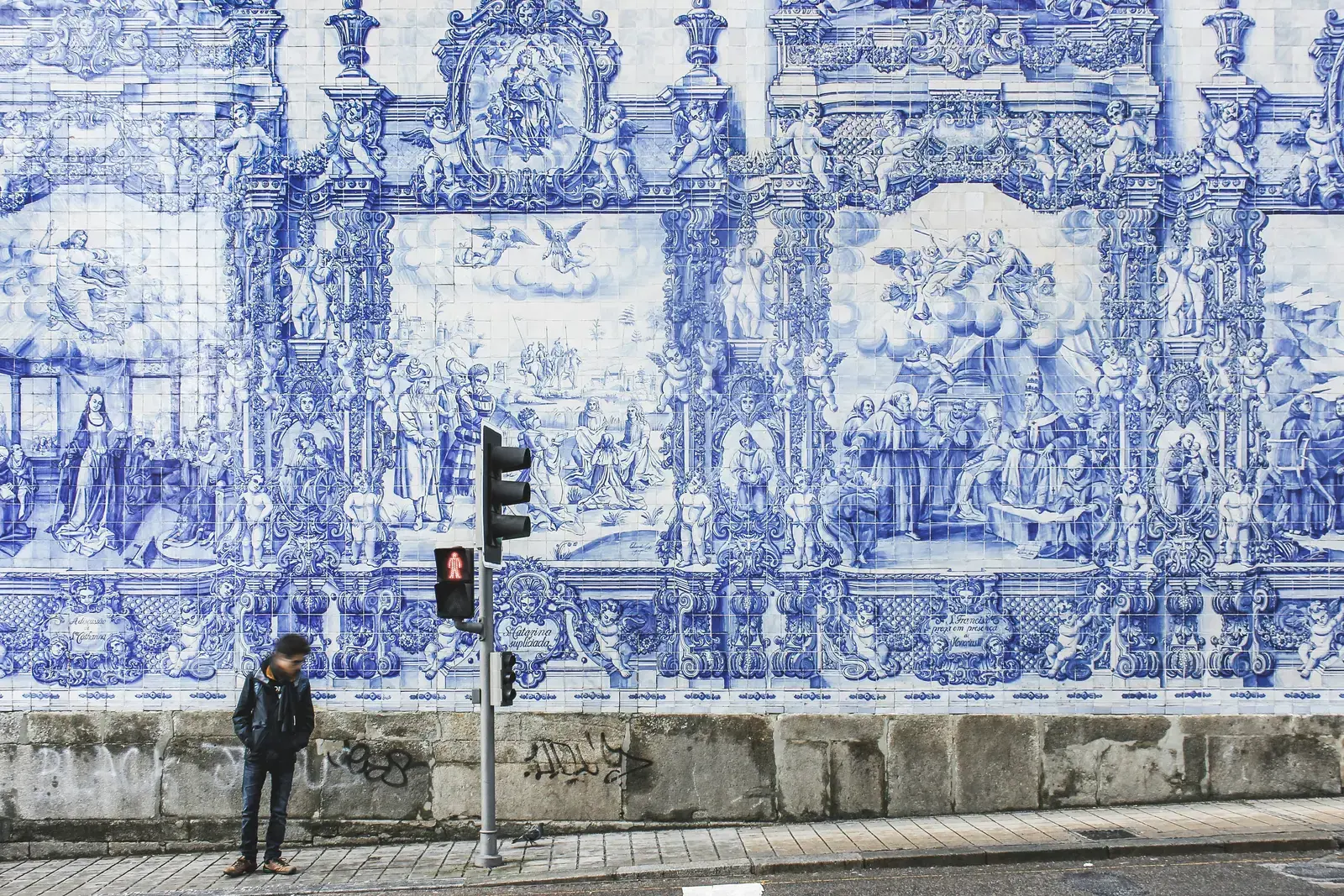
Begin your first day at São Bento Station, two minutes from Aliados. The station's main hall holds over twenty thousand blue-and-white tiles that depict Portuguese history, from the Battle of Valdevez to the daily life of the Minho region. Stand in the centre of the hall and look up; the panels wrap around the upper walls, and the light from the tall windows makes the blues shift as you move. Arrive before 9:30 to see the hall without tour groups. Then walk one block north to Rua 31 de Janeiro and follow it east until you reach the Igreja de Santo Ildefonso, whose entire facade is covered in azulejos. The church is often overlooked in favour of the station, but its tiled panels are equally impressive, and the square in front is quiet in the morning. If you have time, step inside to see the gilded altar, which contrasts with the blue exterior.
For breakfast, step into a pastelaria on Rua de Santa Catarina, such as the historic Confeitaria do Bolhão, and order a tosta mista and a galão. Sit at the counter and watch the morning routine of locals buying bread and newspapers. If you want a lighter start, buy a pão de deus from a padaria on Rua de Cedofeita and eat it on a bench in the Jardim da Cordoaria, a five-minute walk west. The garden's plane trees provide shade, and the view of the Torre dos Clérigos from the south side is one of the best in the city. After breakfast, join a guided azulejos and architecture walk to learn the stories behind the tiles you have just seen. The walk typically covers the station, the church, and several other tiled facades in the centre, and it gives you a deeper appreciation for the art form. You will also pass by the Livraria Lello, but the queue is long, so you may choose to admire the exterior and move on.
Late morning: Bolhão and a market lunch
Walk back east along Rua de Santa Catarina until you reach the Mercado do Bolhão, which reopened in 2022 after a long restoration. The market's two floors hold fishmongers, butchers, fruit stalls, and a handful of small eateries. Wander the aisles and buy a bag of cherries or a wedge of Serra da Estrela cheese for later. The upper gallery gives a good view of the activity below, and the iron-and-glass roof keeps the space bright even on cloudy days. The market is a working market, not a tourist attraction, so you will see locals doing their weekly shopping. The vendors are friendly and may offer you a sample of fruit or cheese. Take your time to explore every corner, from the flower stall near the entrance to the olive oil vendor at the back.
For lunch, stay inside the market and order a bifana at one of the counters that serve pork sandwiches with mustard. Pair it with a glass of vinho verde from the nearby wine stall. If you prefer fish, head to the ground floor and choose a stall that grills sardines on a small charcoal grill; the smell will guide you. Eat standing at the counter, as the locals do, and finish with a pastel de nata from the bakery at the market's entrance. This meal is quick and inexpensive, leaving you time for a slow afternoon. After lunch, you can browse the shops on Rua de Santa Catarina, which is the main shopping street, or visit the Capela das Almas, a chapel covered in blue tiles, just a few steps from the market. The chapel's facade is one of the most photographed in Porto, but the interior is equally serene, with a simple altar and wooden pews.
Afternoon: Ribeira and a rabelo cruise
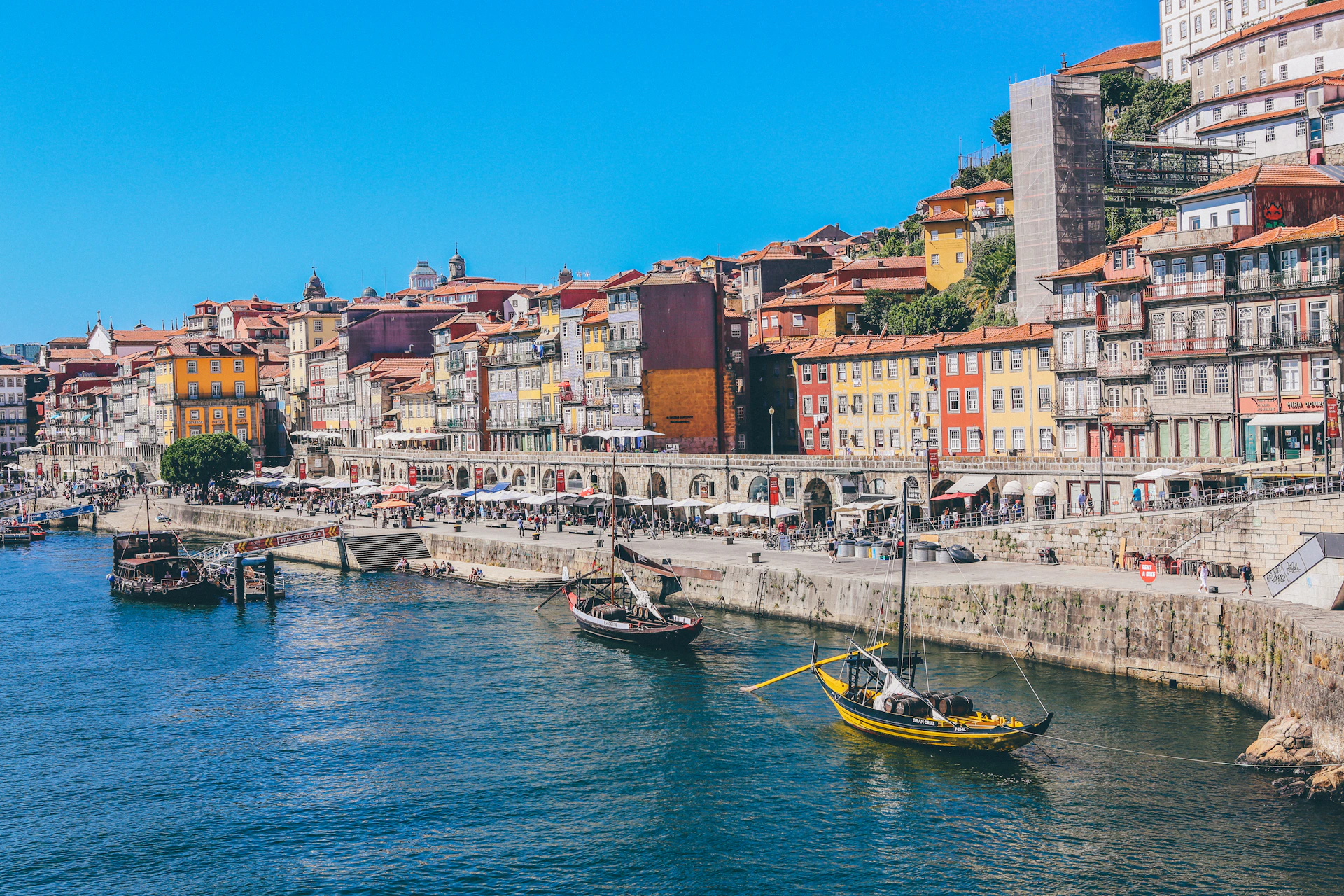
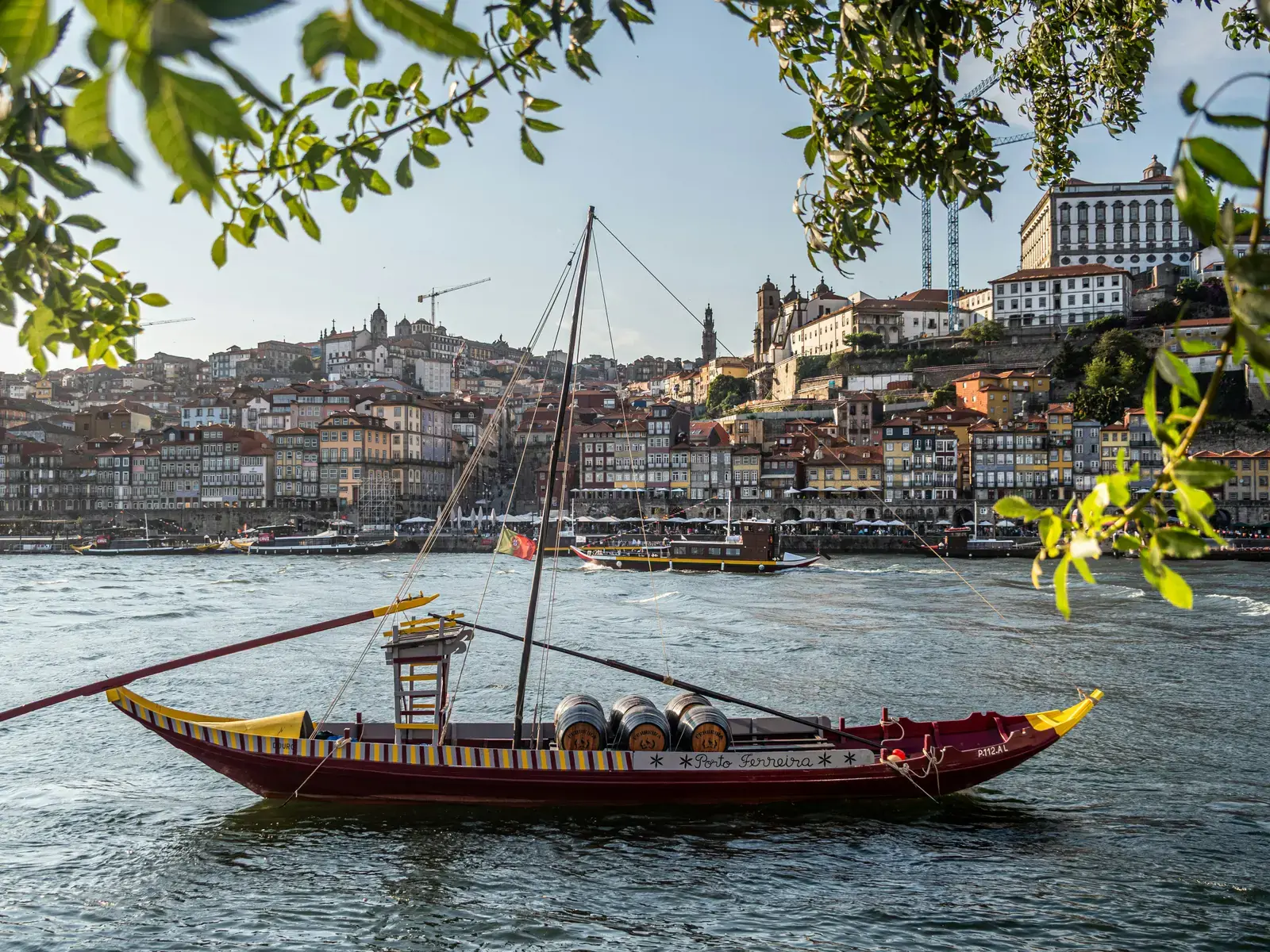
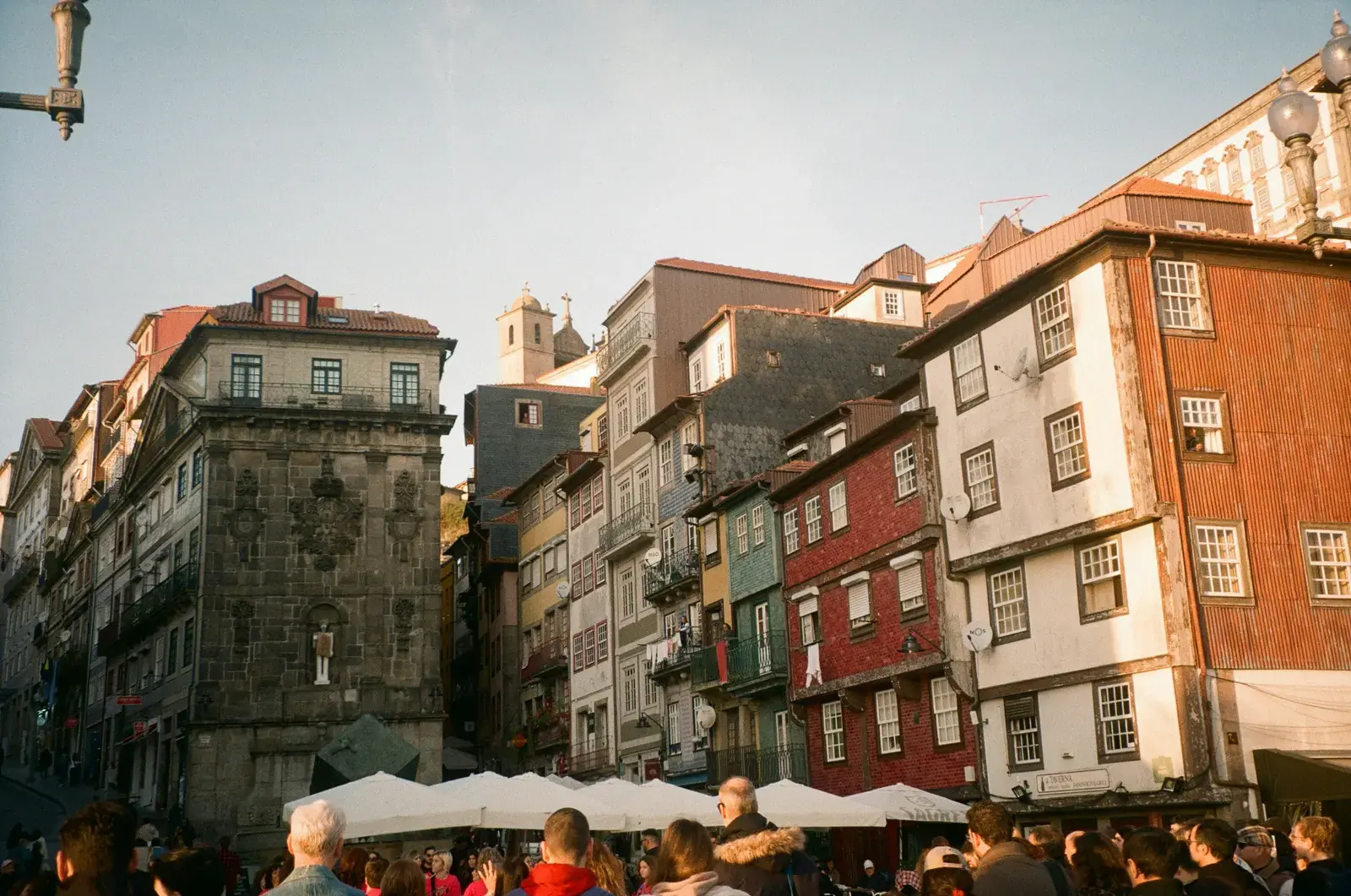
From Bolhão, walk downhill along Rua de Mouzinho da Silveira, which becomes Rua da Alfândega as you approach the river. The descent takes about fifteen minutes and passes the Palácio da Bolsa, whose neoclassical facade is worth a pause. Continue to the Cais da Ribeira, where the old houses with their laundry lines and tiled facades face the Douro. Find a bench near the statue of the Infante Dom Henrique and watch the rabelo boats ferry tourists across to Vila Nova de Gaia. The river breeze makes this spot pleasant even in August, when the city heat can be intense. The Ribeira is the oldest part of Porto, and its narrow streets are lined with restaurants and souvenir shops, but the main square is dominated by the river view. If you want a quieter spot, walk a few minutes east along the river to the Cais da Estiva, where the crowds thin out.
At mid-afternoon, board a rabelo boat for a short cruise on the Douro. These flat-bottomed boats once carried wine barrels from the vineyards to the lodges in Gaia, and today they offer a relaxed view of the city from the water. Choose a cruise that lasts about fifty minutes and departs from the Cais da Ribeira. Sit on the open deck, not under the canopy, to feel the sun and the spray. The cruise passes under the Dom Luís I bridge and turns back before the river narrows, giving you a clear view of the cathedral and the Serra do Pilar monastery. The guide will point out the main landmarks and share stories about the wine trade. After the cruise, cross the upper deck of the bridge on foot to Gaia for a port tasting. The walk across the bridge is an experience in itself, with the city spread out below and the river glinting in the afternoon light.
Evening: Port tasting in Gaia
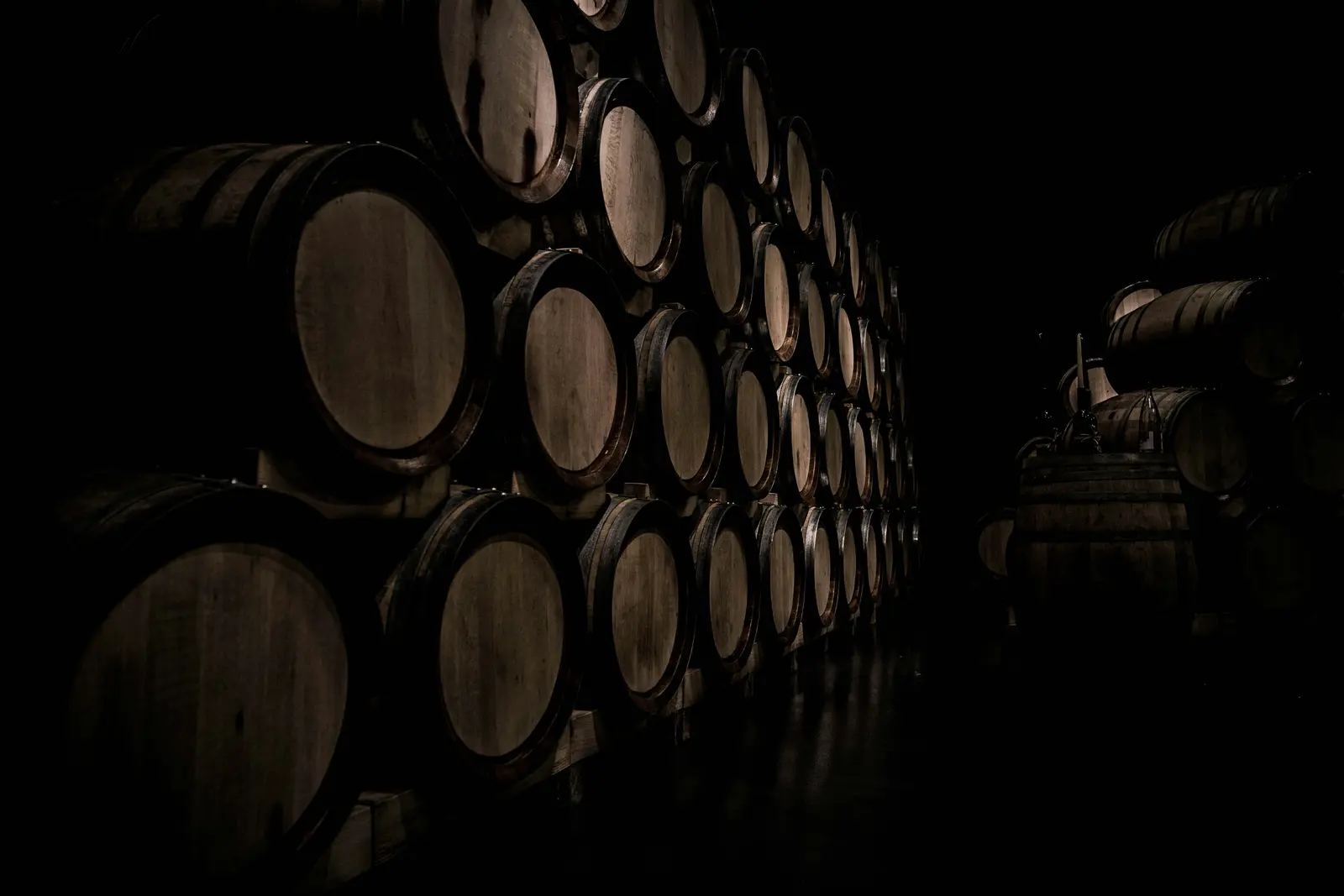
Cross the Dom Luís I bridge on the upper level, which is reserved for pedestrians and the metro. The walk takes about ten minutes and offers a panoramic view of the Ribeira below. On the Gaia side, you will find the port lodges along Avenida Diogo Leite and Rua do Choupelo. Many offer guided tastings, but you can also simply walk into a lodge and ask for a tasting flight. For a quieter experience, choose a smaller lodge such as Ferreira or Cálem, which have terraces overlooking the river. Book a tasting in advance during August, as groups fill the popular houses by late afternoon. The tasting typically includes three or four ports, from a dry white to a rich tawny, and the staff will explain the differences in aging and blending. You can also visit the cellars, where the barrels are stacked in long rows, and the air is cool and fragrant with wine.
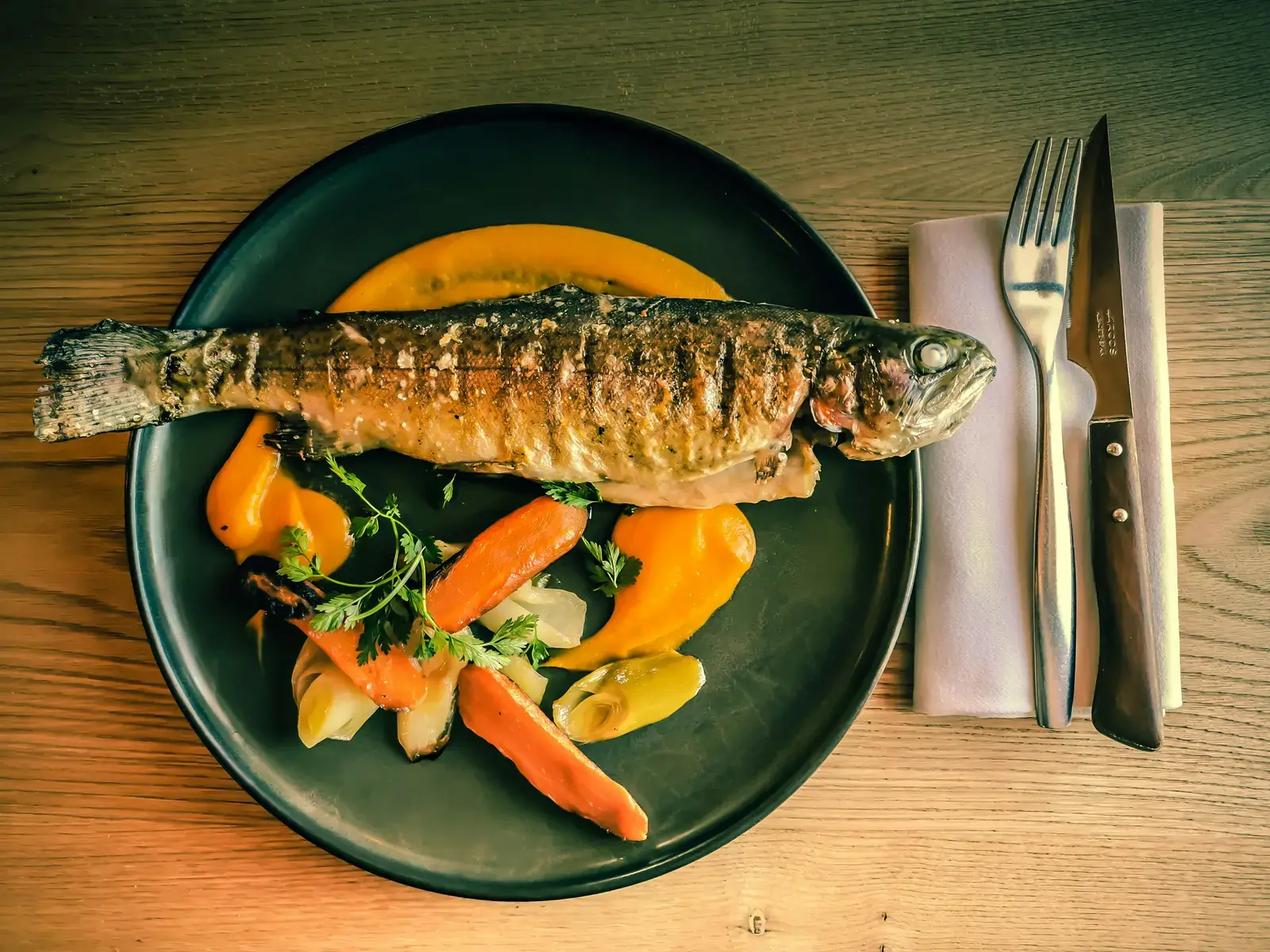
After your tasting, stay in Gaia for dinner. The riverside restaurants on the Gaia side tend to be less crowded than those in Ribeira, and they offer the same view of the illuminated city across the water. Order a francesinha, the Porto sandwich with layers of bread, ham, sausage, and steak, covered in melted cheese and a tomato-beer sauce. It is heavy, so share one between the two of you. Finish with a glass of tawny port and watch the lights of Ribeira reflect on the river. Walk back across the bridge on the lower level, which is closer to the water and less windy. The lower deck is also used by cars, but there is a pedestrian walkway, and the view of the bridge's iron structure from below is impressive. If you are not ready to end the evening, stop at a bar on the Ribeira for a nightcap, but be prepared for crowds, as the area stays lively until late.
Day two: Matosinhos and the coast
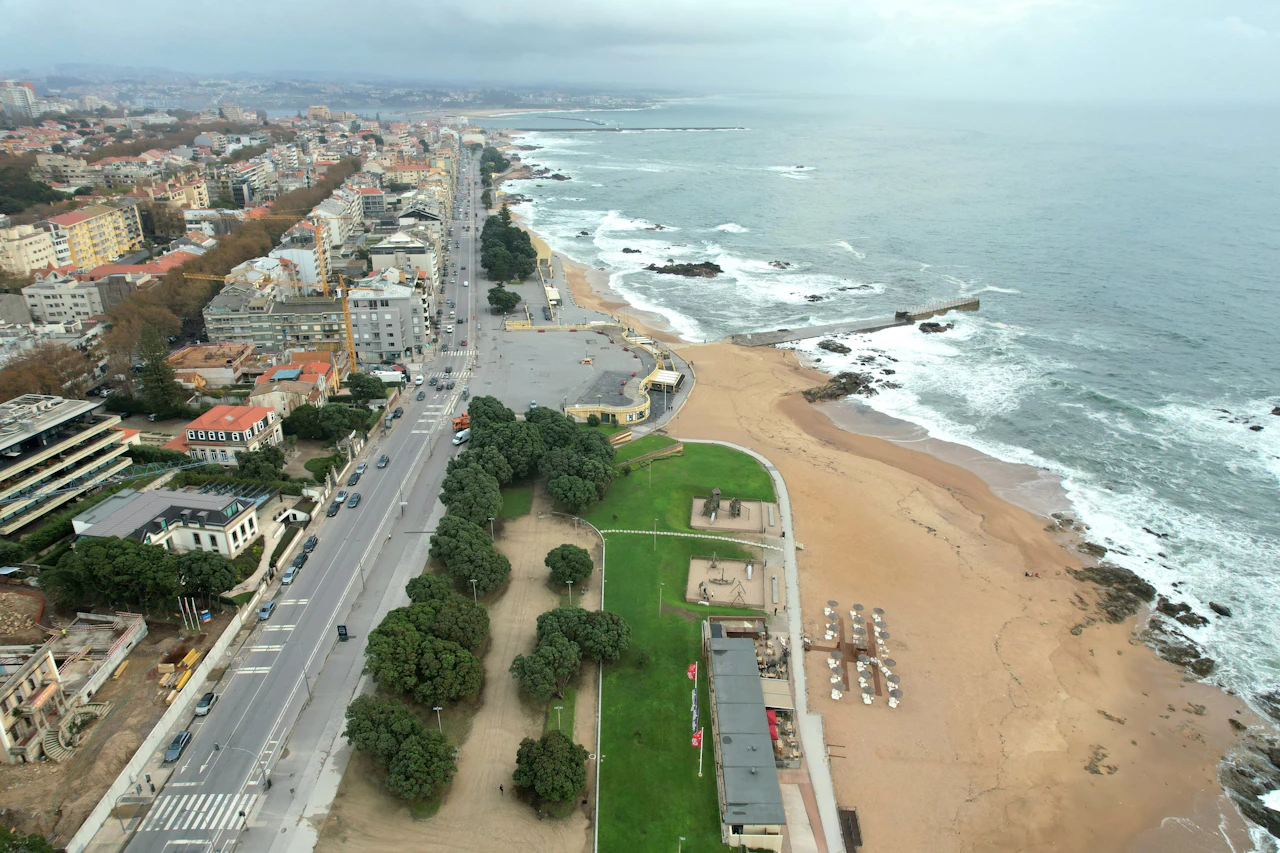
On your second morning, take the metro from Trindade station to Matosinhos Sul, a journey of about twenty-five minutes on line A. The metro emerges from the tunnel near the beach, and you will immediately smell the sea. Walk along the promenade toward the fishing port, where the morning catch is unloaded. The fish market is busy until mid-morning, and the nearby restaurants set up their grills on the pavement by noon. For a late breakfast, stop at a café on Rua dos Heróis de França and order a bica and a croissant. The street is the main dining artery of Matosinhos, lined with seafood restaurants that range from casual to upscale. If you are interested in a guided seafood experience, you can book a Matosinhos seafood lunch that takes you to the best spots.
Spend the morning walking the beach from Matosinhos to Foz do Douro, a stretch of about three kilometres along the Atlantic. The path is flat and passes the Pérgola da Foz, a shaded walkway with views of the ocean and the mouth of the Douro. In Foz, climb the stairs to the Jardim do Passeio Alegre, a garden with palm trees and a view of the lighthouse. If the weather is warm, dip your toes in the water at Praia dos Ingleses, but be aware that the Atlantic is cold even in August. The beach is popular with surfers, and you can watch them ride the waves from the promenade. For lunch, return to Matosinhos and choose a seafood restaurant on Rua das Heróis de França. Order the grilled robalo or the arroz de marisco, and share a bottle of white wine from the Vinho Verde region. This meal is the highlight of the coast, so take your time. The restaurants are busy at midday, so arrive early or book a table in advance.
Afternoon: Foz and a quiet return
After lunch, walk back toward Foz and find a bench in the Jardim do Passeio Alegre. The garden is a popular spot for couples, and the sound of the waves masks the city noise. If you want to explore further, walk up to the Farolim de Felgueiras, the small lighthouse at the mouth of the Douro, and watch the surfers ride the waves. The walk from the garden to the lighthouse takes about fifteen minutes along the promenade. From there, you can catch bus 500 back to Aliados, which runs along the river and takes about thirty minutes. The bus is frequent, but during summer weekends it can be crowded, so consider taking the metro from Matosinhos instead. The metro is faster and more comfortable, and it drops you at Trindade, a short walk from your hotel.
For your final evening, return to the Ribeira and find a table at a restaurant on Rua de São João Novo, a quieter street just above the river. Order a simple meal of grilled fish or a vegetarian dish, and share a bottle of Douro red. After dinner, walk up to the Miradouro da Vitória, a viewpoint near the cathedral that offers a wide view of the city lights. The viewpoint is a five-minute walk from the restaurant, and it is usually uncrowded at night. Sit on the stone wall and listen to the fado music drifting from a nearby house. This is a calm way to end your Porto weekend, without the crowds of the main square. If you have energy left, you can also visit the nearby Jardim da Cordoaria, which is illuminated at night and offers a different perspective on the Torre dos Clérigos.
Practical tips for a smooth weekend
Carry a reusable water bottle and fill it at the public fountains in the gardens, such as the one in Jardim da Cordoaria. The tap water in Porto is safe to drink and tastes fine. Wear comfortable shoes with good grip, as the streets are often cobbled and can be slippery after rain. In August, the sun is strong, so bring sunscreen and a hat, but also a light jacket for the evenings, when the Atlantic breeze can be cool. The city is hilly, so be prepared for climbs, but the views from the top are worth the effort. If you have mobility concerns, use the metro and buses, which are accessible, and take taxis for short distances.
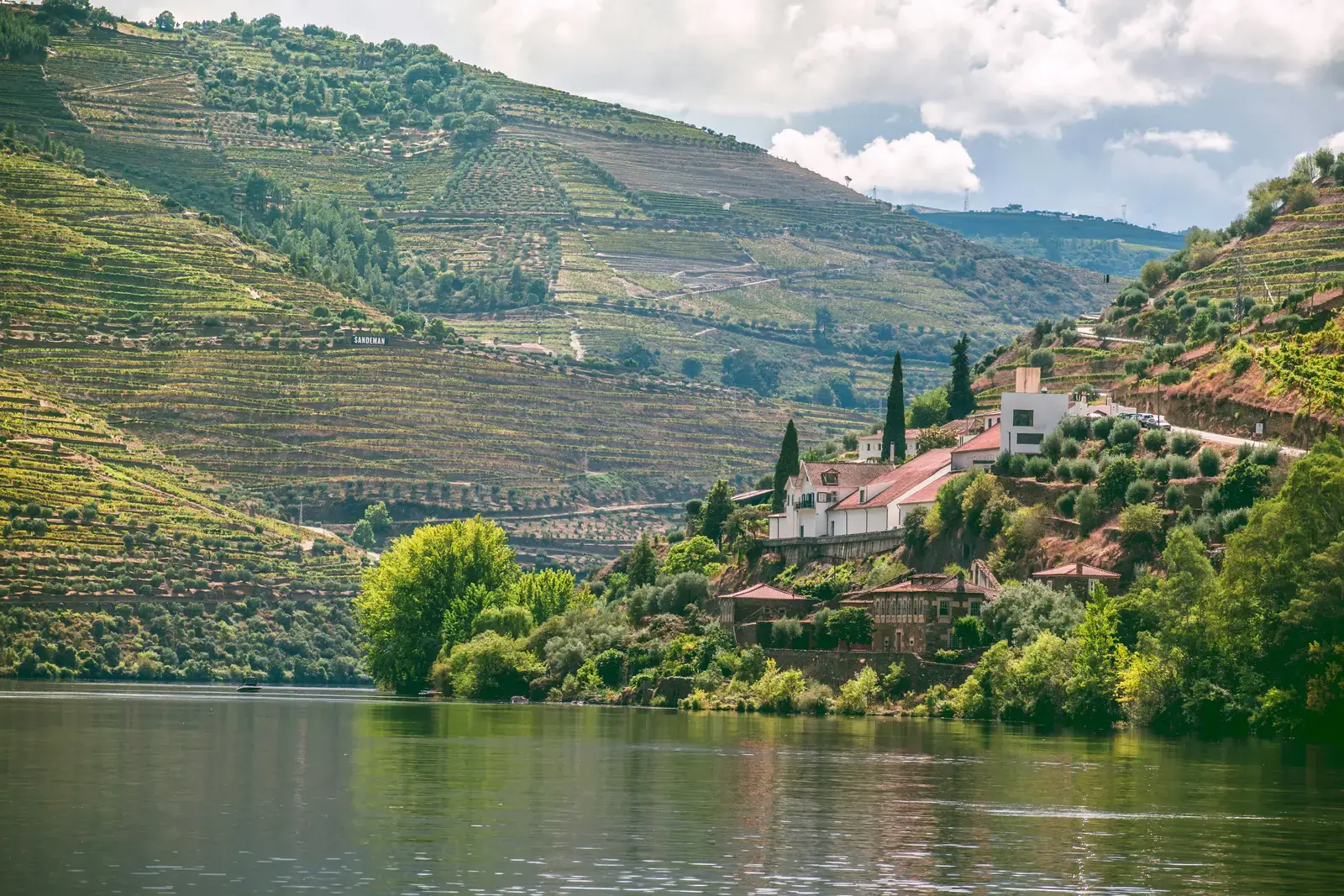
For getting around, the metro and buses are efficient, but walking is the best way to discover the city's details. Buy a rechargeable Andante card at any metro station and load it with a few trips; it works on buses and trams as well. Taxis are plentiful and reasonably priced, but avoid hailing one from the Ribeira during peak hours, as traffic can be heavy. If you plan to visit the Douro Valley, consider booking a day trip in advance, as August is busy. For a private guide to the valley, you can contact Porto For You to arrange a custom itinerary. Similarly, for a relaxed food tour of the Ribeira, a Ribeira food walk can introduce you to the best petiscos without the guesswork. For a river cruise, you can also consider a rabelo Douro river cruise that departs from the Ribeira. And if you want to explore the port lodges in depth, a Gaia port wine cellar tasting offers a guided experience. For a full day trip, a Douro Valley day trip takes you into the vineyards. Each of these experiences can be booked through Porto For You, but they are also available independently.
Good to know
What is the best area to stay in Porto for a couple?
Stay near Aliados or Rua de Cedofeita for easy walking access to the river and the main sights. These areas are central but quieter than the Ribeira, and you can reach the metro at Trindade or São Bento quickly.
How many days do you need for Porto?
Two full days are enough to see the main sights and enjoy a relaxed pace. If you want to include a Douro Valley trip or a beach day, add a third day.
Is it easy to get from Porto to the beach?
Yes, take the metro line A to Matosinhos Sul, which takes about 25 minutes from Trindade. Alternatively, bus 500 runs from Aliados along the river to Foz and Matosinhos.
What should we eat in Porto?
Try a francesinha, grilled sardines, and a pastel de nata. For a seafood meal, head to Matosinhos. For a quick snack, get a bifana at the Mercado do Bolhão.
Do we need to book port tastings in advance?
In August, it is wise to book a tasting at a Gaia lodge in advance, especially for popular houses. Smaller lodges like Ferreira or Cálem often have availability on the day, but booking ensures a spot.
Share this post

Useful for planning?
Receive notes like this once a month.