
What Breakfast in Porto Usually Means for Visitors
A practical guide to traditional breakfast in Porto: where to go, what to order, and how to navigate morning food culture in Ribeira, Bolhão, and Cedofeita.
- Written by
- Miguel Enes
- Published
- Reading time
- 12 min read
Miguel Enes — More than 15 years building software and turning complex systems into simple, reliable guest-facing tools.
The Morning Coffee Ritual
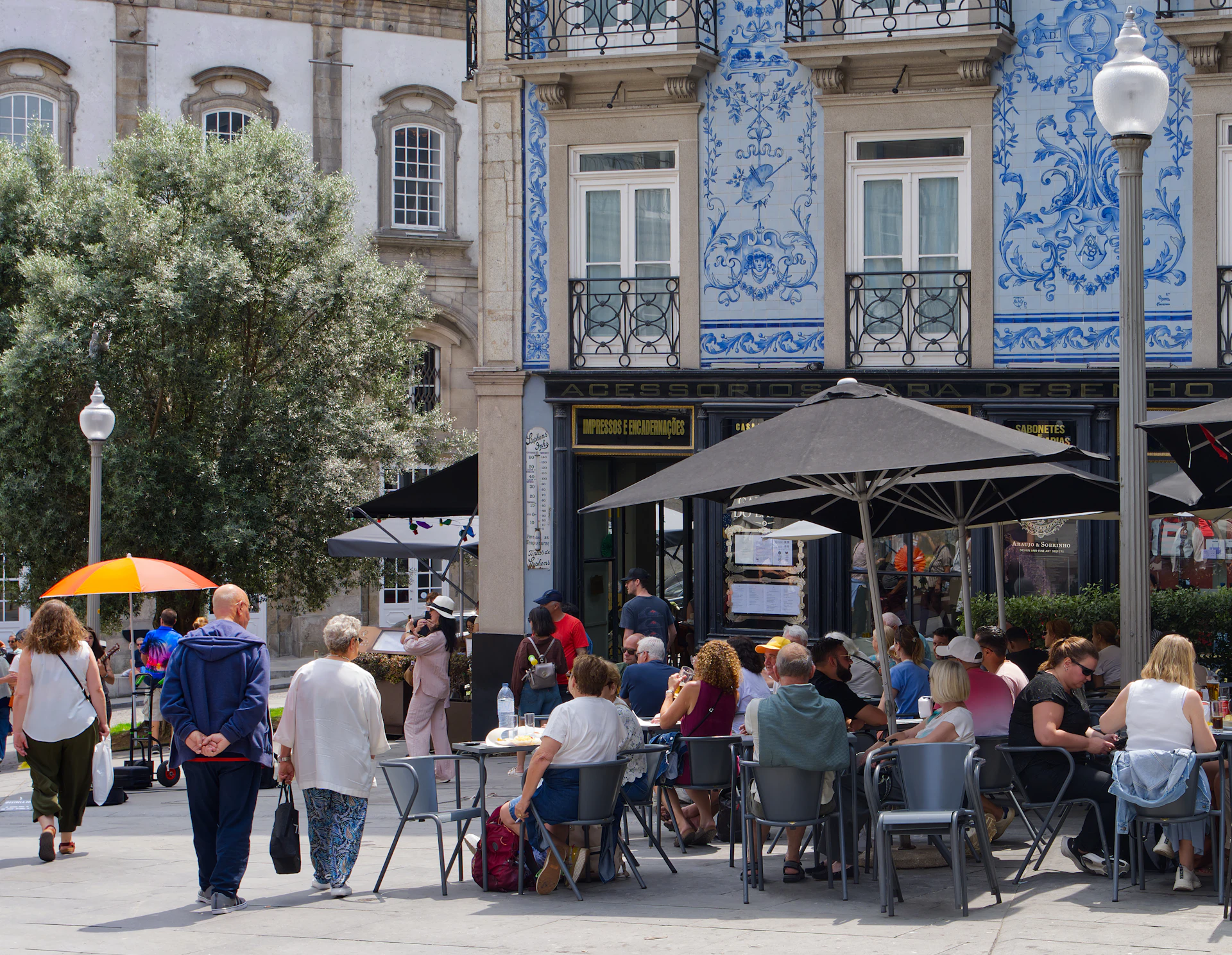
In Porto, breakfast starts with coffee. You walk into a café, order at the counter, and drink your espresso standing or at a small table. The standard is a *cimbalino* – a short, strong espresso served in a small cup. If you want milk, ask for a *meia de leite* (half coffee, half milk) or a *galão* (hot milk with a shot of coffee, served in a tall glass). Most locals grab coffee and a pastry before work. You will see *pastéis de nata* (custard tarts), *pão de Deus* (coconut-topped buns), and *bolas de Berlim* (cream-filled doughnuts) under glass domes. For a savoury start, try a *tosta mista* (grilled ham and cheese sandwich) or a *francesinha* – though the latter is more of a lunch dish. Head to a Ribeira food walk to sample these in context.
The coffee culture in Porto is fast and functional. You rarely see people lingering over a cup for hours. Instead, they drink quickly, chat briefly with the barista, and leave. If you want to sit, you pay a small surcharge for table service. Many cafés have a counter area where you stand and drink. This is the most authentic way to experience breakfast. The coffee is almost always freshly brewed, and the pastries arrive from local bakeries each morning. By 10:00, the best items are often gone. Plan to arrive early if you want a specific pastry. The ritual is simple: order, pay, drink, and go. It reflects the city's practical, no-nonsense character. You will find this rhythm in every neighbourhood, from the busy streets of Cedofeita to the quieter corners of Bonfim. The key is to embrace the speed. Do not expect a leisurely meal. Instead, focus on the quality of the coffee and the freshness of the pastry. A good *cimbalino* has a thick crema and a bold flavour. A good *pastel de nata* is warm, flaky, and slightly caramelised on top. These two elements form the backbone of Porto's breakfast.
Where to Find a Traditional Breakfast in Porto
The best places for a traditional breakfast are neighbourhood cafés and *pastelarias* (pastry shops). In the city centre, Rua de Santa Catarina has several options near the Bolhão market. Try Confeitaria do Bolhão (Rua Formosa 339) for *pastéis de nata* and *pão de Deus*. Alternatively, walk to Rua de Cedofeita, where Café Progresso (Rua de Cedofeita 414) serves a solid *meia de leite* with a *tosta mista*. For a more substantial breakfast, some cafés offer a *pequeno-almoço completo*: coffee, orange juice, bread with butter or jam, and a pastry. Expect to pay €3–€5 per person. Avoid tourist-heavy spots on Rua das Flores; instead, walk two blocks to Rua do Almada for quieter, cheaper options. If you are staying in an apartment, buy fresh bread and *queijo da serra* (mountain cheese) at the Bolhão market. The market opens at 7:00 and is busiest in the morning. You can also find *presunto* (cured ham) and *pão de centeio* (rye bread) there. Combine these for a simple, satisfying breakfast at home.
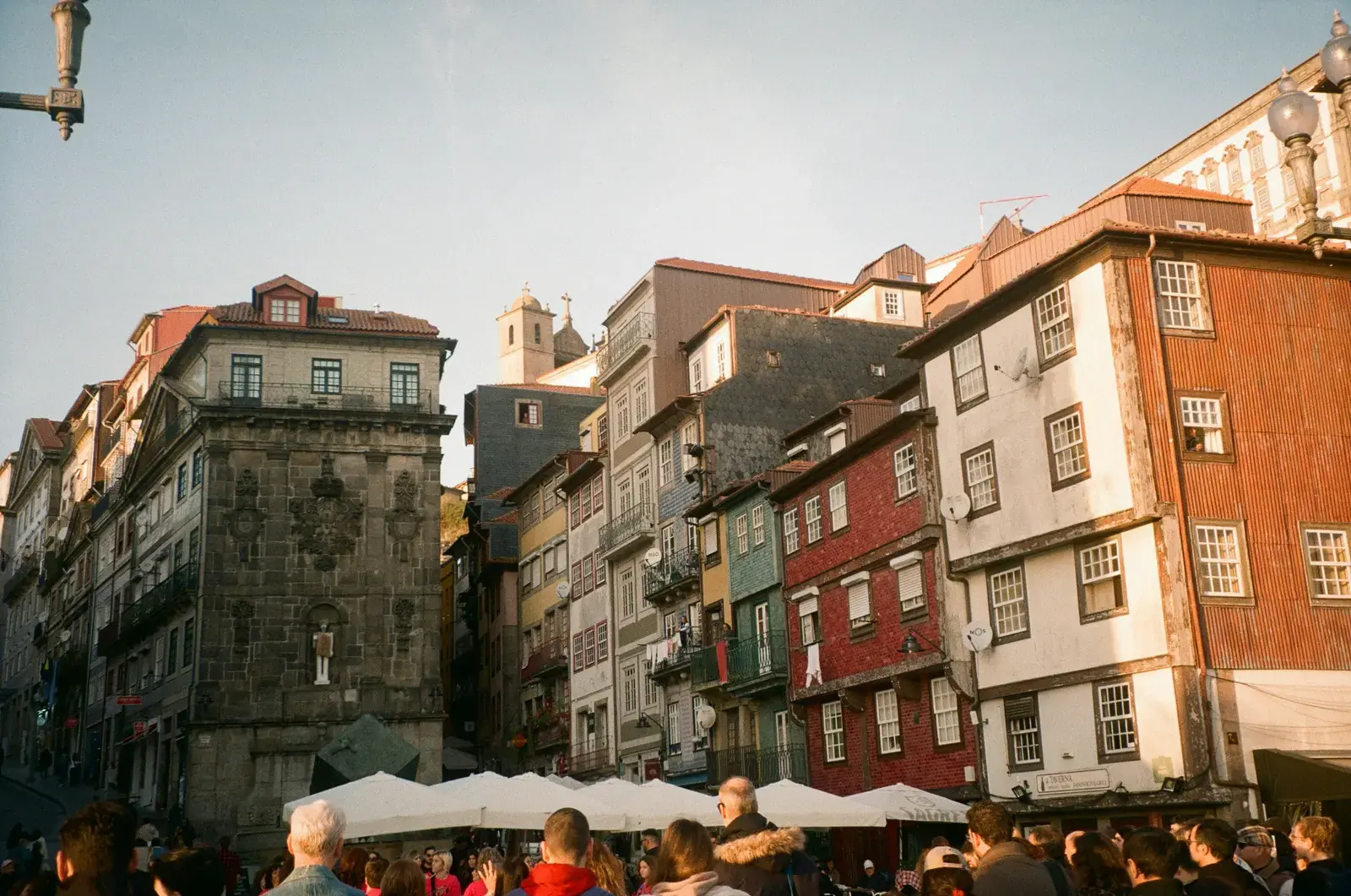
Beyond the centre, neighbourhoods like Foz and Matosinhos have excellent cafés. In Foz, Café do Mar (Avenida do Brasil 400) offers breakfast with ocean views. In Matosinhos, Pastelaria Gomes (Rua Brito Capelo 150) is a local favourite for *pastéis de nata* and *pão de Deus*. These areas are less crowded and more affordable. You can also find good options in Bonfim and Campo 24 de Agosto. If you are near the Douro riverfront in Ribeira, walk uphill to Rua de São João for better value. The key is to avoid the main tourist arteries. A five-minute walk can save you €1–€2 per item and give you a more authentic experience. In Bonfim, try Café Bonfim (Rua do Bonfim 200) for a quiet morning. In Campo 24 de Agosto, Pastelaria Campo (Rua do Campo 24 de Agosto 150) serves a good *cimbalino* and *pastel de nata*. These cafés are frequented by locals and offer a glimpse into daily life. The staff are usually friendly and patient with non-Portuguese speakers. Point at what you want and smile. That is enough.
What to Order: The Essentials
Start with a *cimbalino* or *meia de leite*. Pair it with a *pastel de nata* – eat it warm, dusted with cinnamon. For something savoury, order a *pão com manteiga* (bread with butter) or a *sanduíche de queijo* (grilled cheese sandwich). If you have a sweet tooth, try *pão de Deus* (a soft bun with shredded coconut) or *bola de Berlim* (a doughnut filled with egg cream). In Porto, breakfast is rarely a sit-down affair. Most people eat quickly at the counter. If you want a longer meal, look for a *café com esplanada* (café with a terrace) on a pedestrian street like Rua de Miguel Bombarda. There, you can order a *tosta mista* and a *sumo de laranja natural* (fresh orange juice) and watch the city wake up. The *tosta mista* is a simple grilled ham and cheese sandwich, but it is satisfying and pairs well with coffee. The *sumo de laranja* is freshly squeezed and often served in a tall glass. It is a good way to get vitamin C in the morning.
Do not overlook the *pão de centeio* (rye bread) sold at bakeries. It is dense, slightly sour, and perfect with butter or cheese. Many cafés serve it with breakfast. For a truly local experience, order a *cimbalino* and a *pastel de nata* at the counter of a busy *pastelaria*. Stand with the workers and students, dip your pastry in the coffee, and finish in under five minutes. This is how Porto starts its day. If you want variety, order a *meia de leite* with a *tosta mista* and a *pastel de nata* on the side. The total will be around €4. You will leave full and caffeinated. Another option is *pão com chouriço* (bread with cured sausage), which is sometimes available in the morning. It is more common as a snack, but you can find it in some *pastelarias*. If you see it, try it. The combination of bread and smoky sausage is a Porto classic.
Breakfast Timing and Local Habits
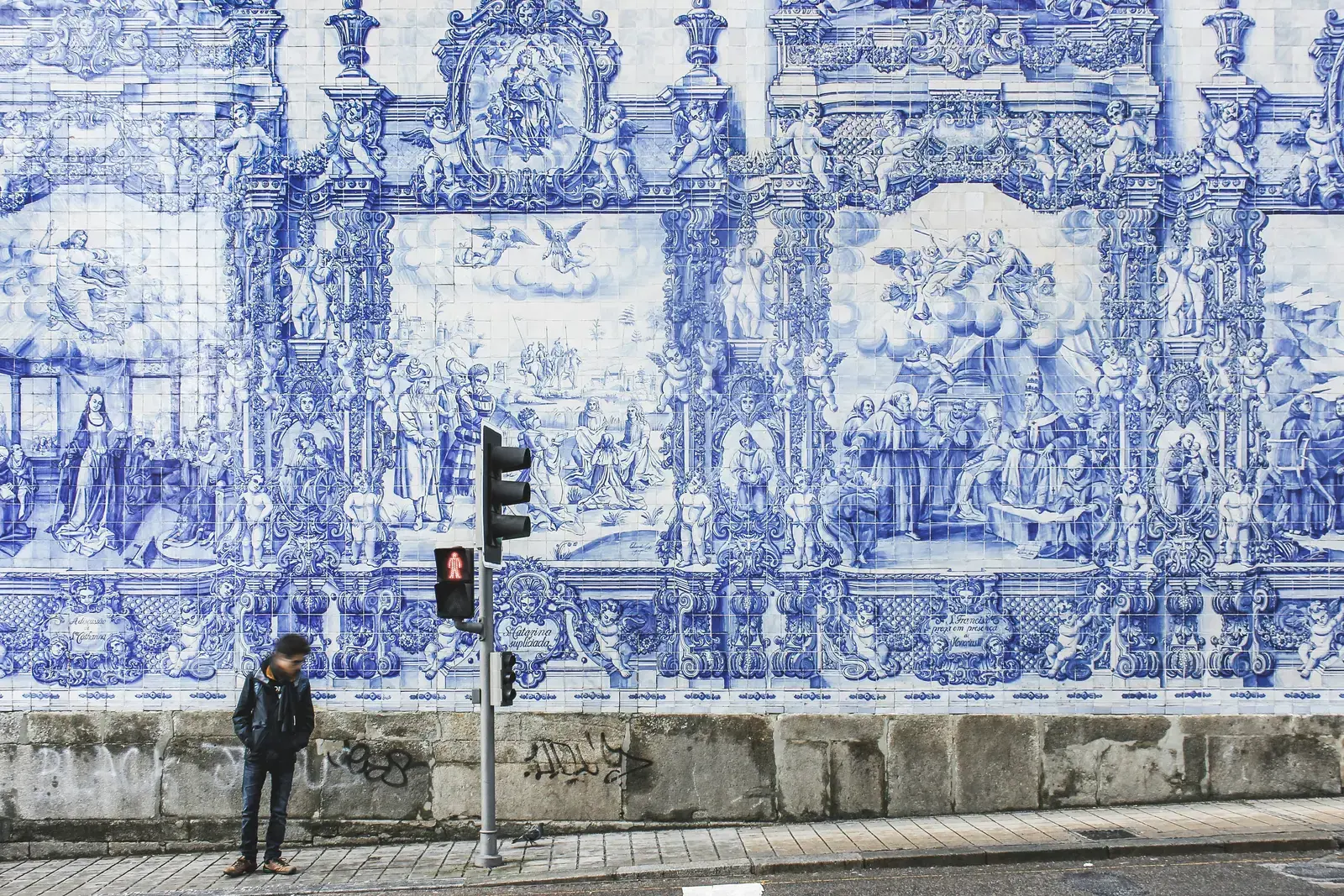
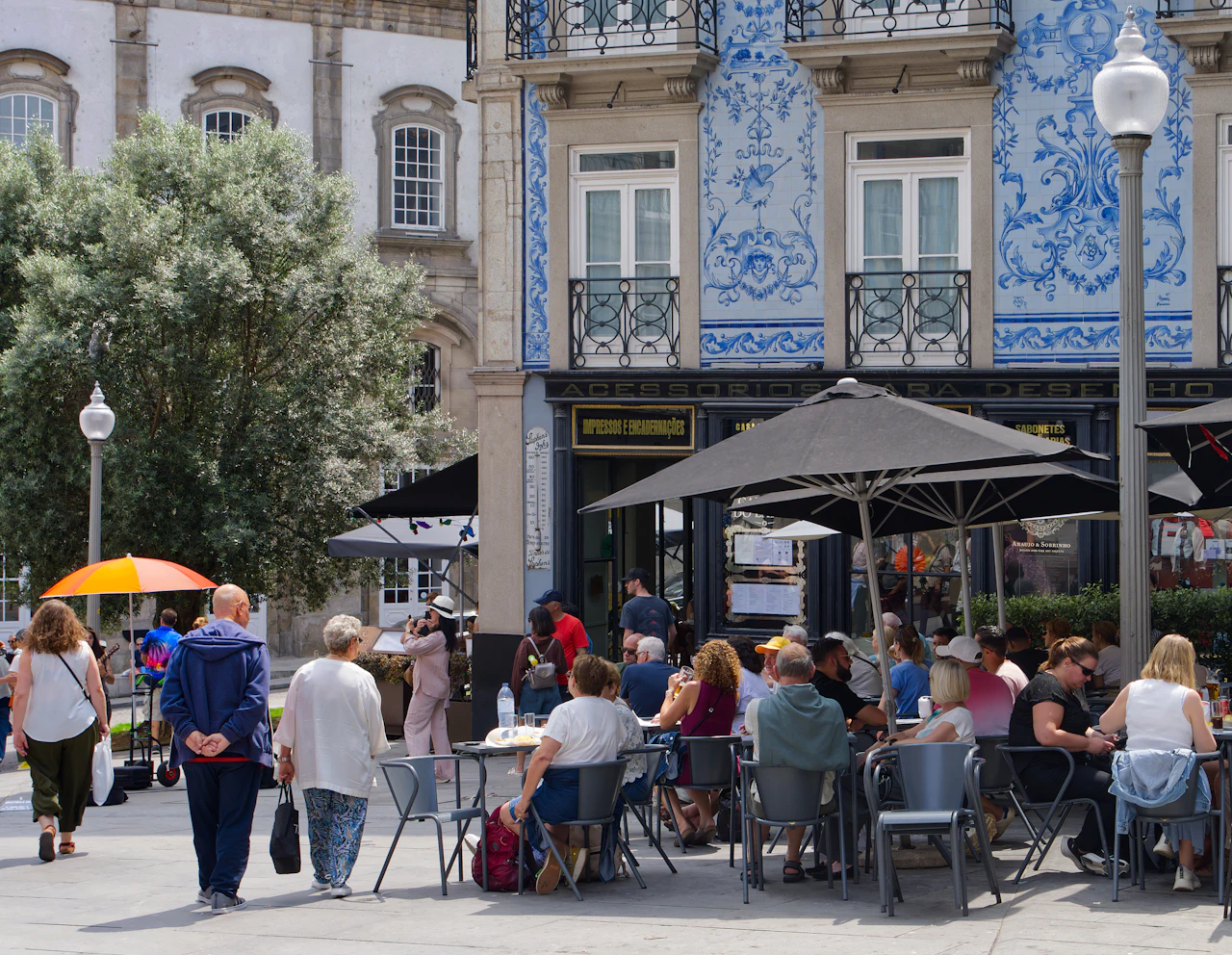
Porto breakfast hours run from 7:00 to 10:30 on weekdays, and until 11:00 on weekends. Many cafés open early for workers, but some *pastelarias* close by 13:00. If you sleep in, you may miss the best pastries. Plan to be at a café by 9:00 for the freshest *pastéis de nata*. On Sundays, families often go to a *pastelaria* for a late breakfast or *brunch* (a borrowed concept). Some places in Cedofeita and Foz offer brunch menus with eggs, avocado, and granola – but these are not traditional. For an authentic experience, stick to the counter. After breakfast, walk to a Porto azulejos architecture walk to see the city's tile-covered buildings. The walk starts near São Bento station and takes about two hours. You will see the blue-and-white tiles that decorate churches, train stations, and private homes. It is a good way to digest your breakfast and learn about Porto's history.
Local habits vary by day. On weekdays, breakfast is a quick pit stop before work. On weekends, people take more time, especially if they meet friends or family. You will see groups of friends sharing a table, ordering multiple coffees and pastries, and chatting for an hour. This is more common in neighbourhood cafés than in tourist areas. If you want to blend in, order a *cimbalino* and a *pastel de nata*, drink your coffee in two sips, and leave. If you want to linger, choose a café with outdoor seating and order a *galão* – the tall glass of milky coffee lasts longer. In Foz, the seaside cafés are perfect for a slow morning. You can sit on the terrace, watch the waves, and enjoy a *meia de leite* and *pão de Deus*. The atmosphere is relaxed, and the coffee is good. It is a different experience from the city centre, but equally valid.
Breakfast Near Key Landmarks
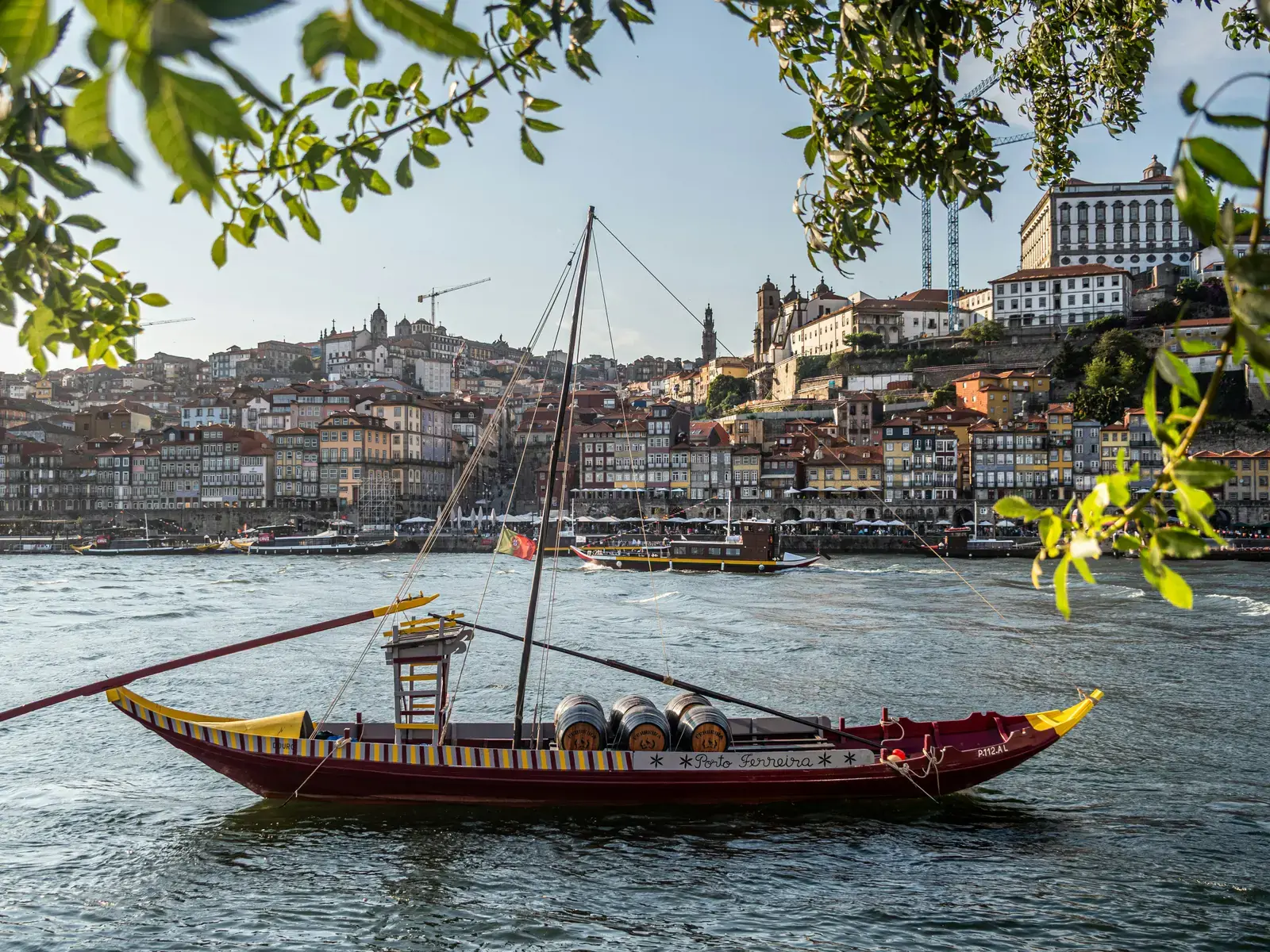
If you are starting your day at São Bento station, step into Café São Bento (Praça de Almeida Garrett) for a quick coffee and *pastel de nata*. From there, it is a five-minute walk to the Clérigos Tower. Near the Douro riverfront in Ribeira, cafés are pricier and cater to tourists. Walk uphill to Rua de São João for better value. In Foz, the seaside neighbourhood, cafés along Avenida do Brasil offer breakfast with ocean views. Try Café do Mar (Avenida do Brasil 400) for a *meia de leite* and *pão de Deus*. After breakfast, stroll the promenade or take a Rabelo Douro river cruise from the nearby Cais de Gaia. The cruise lasts about 50 minutes and gives you a different perspective on the city. You will see the Dom Luís I Bridge from below and the port wine cellars lining the Gaia riverfront.
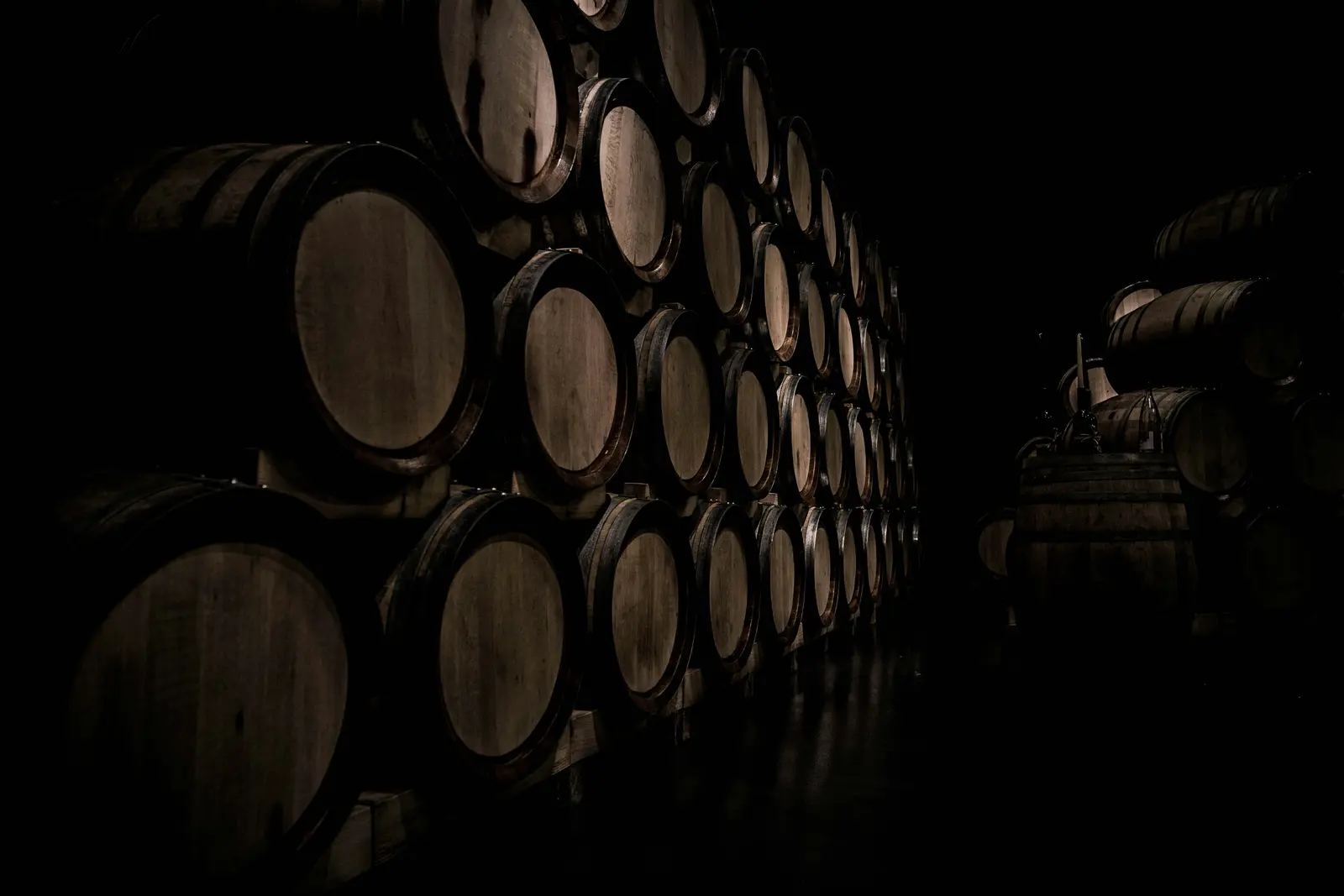
For those visiting the Bolhão market, breakfast is built in. Buy a *pastel de nata* from Confeitaria do Bolhão and a coffee from the market's café. Eat on a bench in Praça da Batalha. If you are near the Clérigos Tower, walk to Rua de Cedofeita for Café Progresso. The area around the Lello bookstore (Rua das Carmelitas) has few good breakfast options; walk to Rua de Santa Catarina instead. In Gaia, the port wine cellars are best visited after breakfast. Combine a morning coffee with a Gaia port wine cellar tasting later in the day. The cellars open at 10:00, so you can have breakfast first and then cross the bridge to Gaia. The tasting usually includes three to four ports and lasts about an hour. It is a good way to start your afternoon.
Breakfast on the Go: Market and Street Options
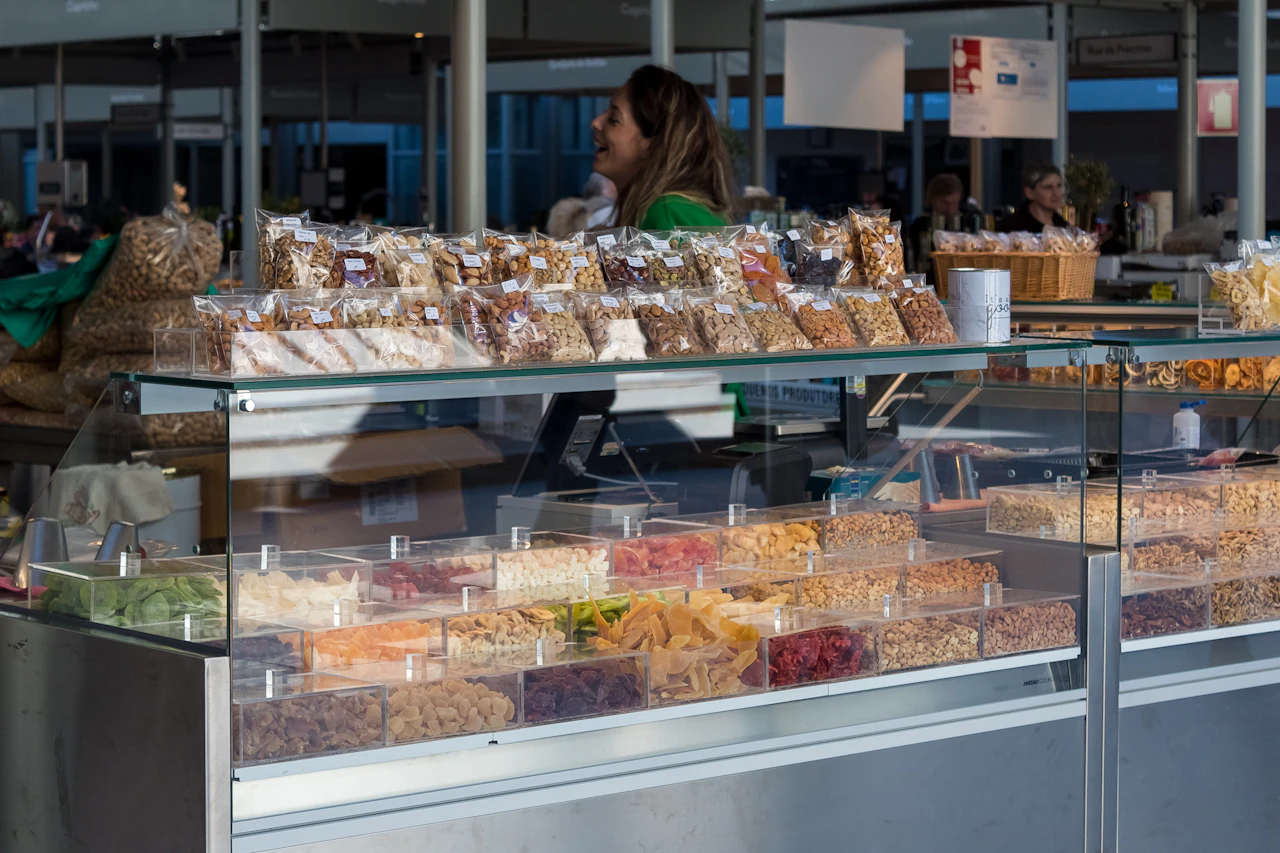
The Bolhão market (Rua Formosa) is ideal for a DIY breakfast. Buy *pão de centeio* (rye bread), *queijo da serra*, and *presunto* (cured ham) from the stalls. Add a bag of *pastéis de nata* from Confeitaria do Bolhão. Eat on a bench in Praça da Batalha or take it to your accommodation. For a quick bite, look for *pastelarias* with a takeaway counter. Many sell *pastéis de nata* in boxes of six. You can also find *bolas de Berlim* at beach kiosks in Matosinhos. If you are heading to the coast, combine breakfast with a Matosinhos seafood lunch later in the day. Matosinhos is known for its fresh fish and seafood restaurants. You can walk along the beach, have a coffee at a kiosk, and then enjoy a grilled fish lunch at one of the many restaurants on Rua Heróis de França.
Street vendors are rare in Porto; most breakfast food comes from brick-and-mortar shops. However, the Bolhão market has a few stalls that sell ready-to-eat items. You can also find *pastéis de nata* at the Mercado do Bom Sucesso (near the Casa da Música). This market has a food court with several pastry stalls. It opens at 10:00, later than most cafés, but it is a good backup. For a truly portable breakfast, buy a *pão de Deus* and a piece of fruit. Eat them while walking along the Douro riverfront. The combination of sweet bread and fresh air is a Porto morning staple. You can also find *sumo de laranja* at juice bars in the city centre. They are usually located near markets or busy squares. The juice is freshly squeezed and comes in a plastic cup. It is a good way to hydrate and get energy for your morning walk.
Dietary Considerations and Alternatives
Traditional Porto breakfast is heavy on gluten, dairy, and sugar. For gluten-free options, ask for *pão sem glúten* – some cafés in Cedofeita stock it. For vegan choices, order a *cimbalino* with plant milk (ask for *leite de soja* or *leite de aveia*) and a *salada de fruta* (fruit salad). Avoid *pastéis de nata* if you are lactose intolerant – the filling contains cream. Instead, try *pão de Deus* (coconut bun) or *fruta da época* (seasonal fruit). Most cafés will accommodate simple requests if you speak slowly. Carry a translation card for dietary needs. You can also find gluten-free bread at some health food stores, like Celeiro (Rua de Santa Catarina 123). They sell packaged bread and snacks that you can eat on the go.
If you have celiac disease, be cautious. Cross-contamination is common in bakeries. Look for dedicated gluten-free cafés like Ao 26 (Rua do Almada 26) which offers gluten-free pastries. For dairy-free options, ask for *leite de soja* in your coffee. Many cafés now carry plant milk, but you may need to request it specifically. The *salada de fruta* is always a safe choice. It is made with fresh, seasonal fruit and sometimes topped with mint. It is not a traditional breakfast item, but it is widely available and healthy. Another option is *iogurte natural* (plain yogurt), which you can find at supermarkets. Pair it with fruit from the market for a simple breakfast. If you are staying in an apartment, you can prepare your own breakfast using local ingredients. This gives you control over what you eat and saves money.
Final Practical Tips
Carry small change – many cafés do not accept cards for purchases under €5. Learn basic Portuguese: *um cimbalino, por favor* (one espresso, please) and *quanto custa?* (how much?). Tipping is not expected, but rounding up the bill is appreciated. If you want a guided introduction to Porto's food culture, consider a Ribeira food walk that includes breakfast stops. For a full day of eating, combine breakfast with a Gaia port wine cellar tasting in the afternoon. The walk covers several food stops in the Ribeira district, including a *pastelaria* and a market. It lasts about three hours and gives you a good overview of Porto's food scene.
Finally, remember that breakfast in Porto is a quick, practical meal. Do not expect a leisurely brunch with multiple courses. Embrace the speed and efficiency. Stand at the counter, drink your coffee in two sips, eat your pastry in three bites, and move on. You will have more time to explore the city. And if you want a longer meal, save it for lunch or dinner. Porto's breakfast culture is about fuel, not leisure. Respect that, and you will eat like a local. The city has many other culinary experiences to offer, from *francesinhas* to *bacalhau* dishes. Use breakfast as a starting point for your day, not as the main event. With a good coffee and a fresh pastry, you will have the energy to walk the hills, visit the sights, and enjoy everything Porto has to offer.
Good to know
What is a typical Portuguese breakfast?
A typical breakfast in Porto is light: coffee (cimbalino or meia de leite) with a pastry like pastel de nata or pão de Deus. Savoury options include tosta mista (grilled ham and cheese) or pão com manteiga.
Where can I find the best pastéis de nata in Porto?
Confeitaria do Bolhão (Rua Formosa 339) and Café Progresso (Rua de Cedofeita 414) are reliable. Avoid tourist traps on Rua das Flores.
What time do cafés serve breakfast in Porto?
Most cafés serve breakfast from 7:00 to 10:30 on weekdays, and until 11:00 on weekends. Pastries are freshest early.
Is breakfast expensive in Porto?
No. A coffee and pastry costs €2–€3. A full breakfast with juice and sandwich is €4–€6. Tourist areas charge more.
Can I get a gluten-free or vegan breakfast in Porto?
Yes, but options are limited. Ask for pão sem glúten (gluten-free bread) or plant milk for coffee. Fruit salad is widely available.
Share this post
Useful for planning?
Receive notes like this once a month.