
Amarante Day Trip from Porto: Riverside Town, Art and Return Timing
Plan a practical day trip from Porto to Amarante with train and bus options, riverside walks, art museums, and timing for a relaxed return.
- Written by
- Miguel Enes
- Published
- Reading time
- 10 min read
Miguel Enes — More than 15 years building software and turning complex systems into simple, reliable guest-facing tools.

Choose your transport to Amarante
Amarante sits about 60 kilometres east of Porto, and the journey takes roughly an hour by car or train. The train from São Bento station is the most straightforward option: take the Linha do Douro towards Marco de Canaveses or Régua and get off at Amarante station. Trains run roughly every hour on weekdays, with fewer services on weekends, so check the Comboios de Portugal schedule before you set out. The station is a short walk from the town centre, so you can start exploring within ten minutes of arrival. If you prefer a direct bus, Rede Expressos operates services from Porto's Campo 24 de Agosto bus terminal to Amarante, taking about 50 minutes. Buses drop you near the town centre, which is convenient if you want to avoid the walk from the train station. Driving is also an option: take the A4 motorway east and exit at Amarante, then park at the municipal car park near the river. For a stress-free day, consider a private transfer arranged through Porto For You, which can include a stop at the Douro Valley on the way back.
When you arrive at Amarante station, you'll notice the town is compact and walkable. The station is on the south side of the river, and you'll cross the Ponte de São Gonçalo to reach the main attractions. If you have heavy luggage, you might want to leave it at your hotel in Porto, as the town's cobbled streets are not ideal for rolling suitcases. For a day trip, a small backpack is all you need. The train journey itself is scenic, with the line following the Douro river for part of the way, so grab a window seat on the right side for the best views. If you take the bus, you'll arrive at the terminal near the town centre, just a few minutes' walk from the riverfront. Whichever mode you choose, plan to arrive by mid-morning to make the most of your day.
Start with the riverside and the São Gonçalo bridge
Begin your visit at the Ponte de São Gonçalo, the stone bridge that spans the Tâmega river and connects the old town to the Convento de São Gonçalo. The bridge was rebuilt in the 18th century after floods destroyed earlier versions, and it offers the classic view of the riverfront houses with their tiled facades and wooden balconies. Cross the bridge slowly, stopping at the middle to watch the kayakers and the ducks below. The river is calm here, and the light in the morning is soft, making it a good spot for photographs. On the far side, you'll find the Convento de São Gonçalo, a 16th-century monastery that now houses the Museu Municipal Amadeo de Souza-Cardoso. The museum is named after the Amarante-born modernist painter, and its collection includes works by Souza-Cardoso as well as other Portuguese artists. Plan to spend at least an hour inside: the building itself is worth seeing, with its cloister and baroque church. After the museum, walk back across the bridge and turn left along the riverfront promenade, where you can find a café for a coffee or a glass of vinho verde.
The riverside promenade is a pleasant place to linger. You'll see locals fishing, families picnicking on the grassy banks, and small boats moored along the edge. If you're visiting in the summer, you might catch a festival or a market on the promenade. The bridge is also a popular spot for wedding photos, so don't be surprised if you see a couple posing. Take your time here; the atmosphere is relaxed and inviting. If you're hungry, there are several cafés and ice cream shops along the riverfront. Try a 'gelado' (ice cream) from one of the local parlours, or sample a 'pastel de nata' with your coffee. The riverfront is also where you'll find the tourist information office, which can provide maps and advice on walking routes.
Visit the Museu Municipal Amadeo de Souza-Cardoso
The museum is the main cultural draw in Amarante, and it deserves more than a quick glance. The permanent collection includes works by Amadeo de Souza-Cardoso, who was a contemporary of Picasso and Modigliani and died young in 1918. His paintings are bold and experimental, and the museum does a good job of placing them in context with works by other Portuguese modernists. The building itself, a former convent, adds to the experience: you'll walk through stone corridors and a quiet cloister as you move between galleries. The museum also hosts temporary exhibitions, so check the schedule before your visit. Allow at least 90 minutes for the museum if you're interested in art. The museum is open Tuesday to Sunday, typically from 10:00 to 18:00, but hours can change seasonally, so check the official website before you go. Entry is inexpensive, and there are often temporary exhibitions on the ground floor.
If you're visiting with children, the museum has a small activity area, and the cloister is a good place for them to run around. The museum's café is a nice spot for a break, with views of the cloister. After the museum, you can walk up the hill behind the convent to the Miradouro de São Gonçalo for a panoramic view of the town and the river. The walk takes about 15 minutes and is uphill, but the view is worth it. From the viewpoint, you can see the red-tiled roofs of the old town, the green valley, and the winding river. It's a great place for a photo, especially in the late afternoon when the light is golden. If you're not up for the climb, you can still enjoy the view from the bridge or the riverside.
Walk the old town and sample local sweets
Amarante's old town is compact and walkable, with narrow streets that wind between the river and the main square, Praça da República. Start at the square, where you'll find the town hall and a few cafés, then wander up Rua 31 de Janeiro, the main shopping street. The street is lined with traditional shops selling local products, including the famous Amarante sweet, the 'brisa do Tâmega'. These are small, flaky pastries filled with egg yolk and almond, and they're best eaten fresh from a bakery. You'll also find shops selling local wines, olive oil, and handicrafts. Take your time to browse; the shopkeepers are friendly and often offer samples.
For lunch, you have several options. The riverside restaurants serve grilled trout and other regional dishes, but they can be touristy. For a more local experience, walk a few blocks inland to find a 'tasca' or small family-run restaurant. Try the 'bacalhau à Amarante', a cod dish with potatoes and onions, or the 'posta de vitela', a veal steak. If you're visiting on a weekend, the market in Praça da República sells local cheeses, honey, and preserves. After lunch, take a short walk to the Igreja de São Pedro, a baroque church with a striking gilded altar. The church is often quiet, so you can sit and admire the craftsmanship. If you have a sweet tooth, stop by a pastry shop for a 'brisa' and a coffee before continuing your exploration.
Take a boat trip or walk along the Tâmega
If the weather is good, consider a short boat trip on the Tâmega river. Small electric boats operate from the riverfront near the bridge and offer 30-minute rides that give you a different perspective on the town. The boats are quiet and easy to book on the spot, but they may not run in winter or during heavy rain. Alternatively, you can walk along the river path that heads upstream from the bridge. The path is flat and shaded, and it passes by old watermills and small beaches where locals swim in summer. The walk is peaceful, and you'll see a different side of Amarante away from the main tourist areas.
For a longer walk, cross the bridge and follow the path on the opposite bank, which leads to a park and a small chapel. The walk takes about 20 minutes each way and offers views of the town from a distance. If you're feeling energetic, you can continue to the nearby village of Vila Meã, but that would add a couple of hours. For most visitors, the riverside walk is enough to stretch your legs and enjoy the scenery. Remember to bring comfortable shoes, as the paths can be uneven in places. If you're travelling with children, the riverside is a great place for them to play, with plenty of open space and shallow water in some spots. You might also see kayakers and paddleboarders, and you can rent a kayak if you're feeling adventurous.
Plan your return to Porto with time to spare
The last train from Amarante to Porto usually departs in the early evening, around 19:00, but schedules vary, so check the return times when you arrive. If you miss the train, there are also buses, but they are less frequent. To avoid a rushed end to your day, aim to be at the station at least 15 minutes before departure. If you're driving, the A4 motorway can be busy on Sunday evenings, so allow extra time for traffic. If you have a flexible schedule, consider extending your day with a stop at the Douro Valley on the way back. The train line passes through the wine region, and you could get off at Pinhão for a couple of hours, but that would require a later return.
Alternatively, you could arrange a private driver through Porto For You to take you directly back to your accommodation, with a possible detour to a viewpoint or a port wine cellar in Gaia. This option gives you the freedom to stay until sunset without worrying about public transport. If you're interested in a guided experience, you might consider the Douro Valley day trip which can be tailored to include Amarante. For those who prefer to stay in Porto, a Ribeira food walk is a great way to sample local cuisine. Whatever you choose, make sure to confirm your return plans before you leave Amarante, so you can relax and enjoy the rest of your day.
Combine Amarante with a Douro Valley visit
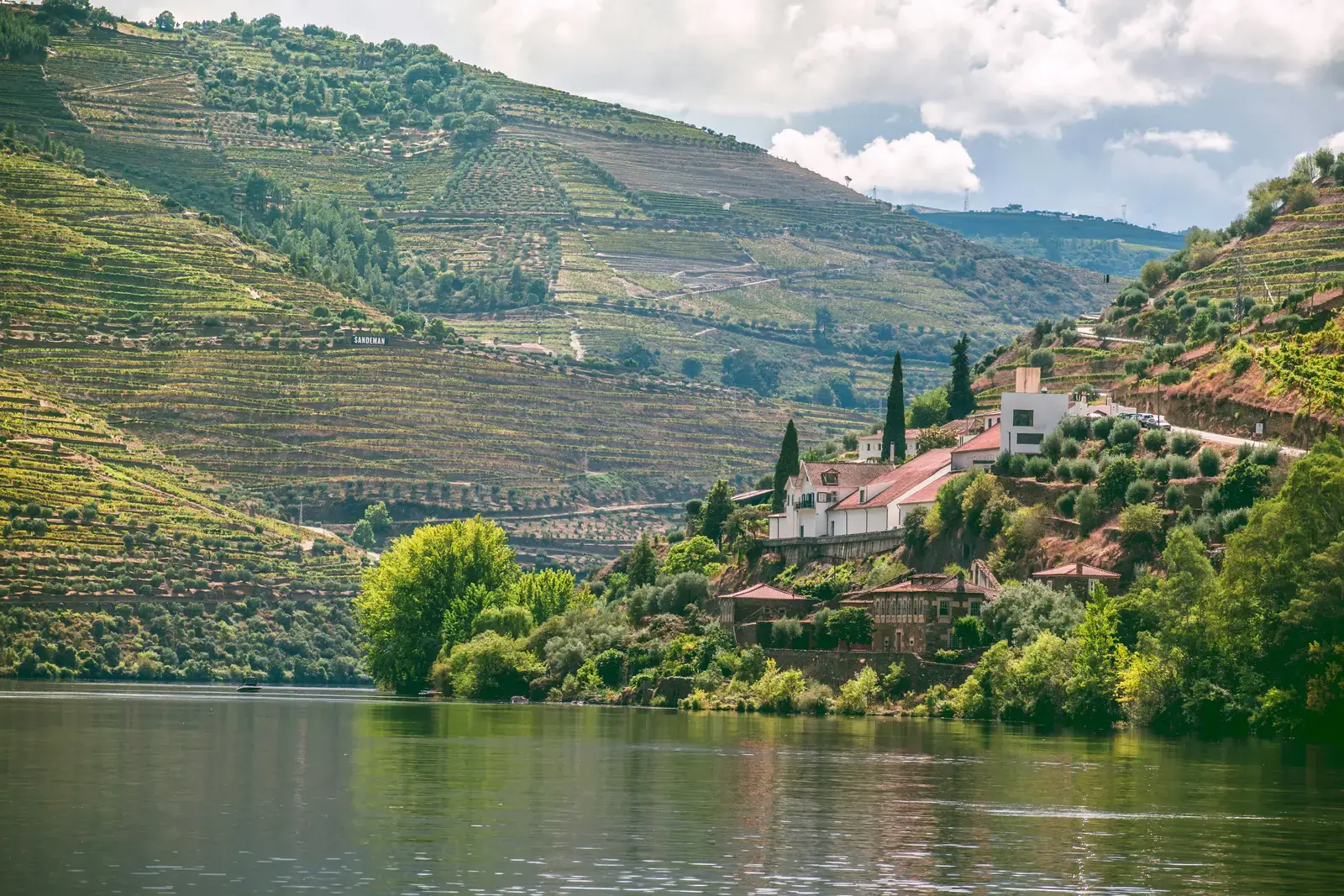
Amarante is often combined with a Douro Valley day trip, as it lies on the edge of the wine region. If you have a full day, you could spend the morning in Amarante and the afternoon in the Douro, but that would be a long day. A better approach is to choose one destination and do it well. If you're interested in wine, the Douro Valley day trip from Porto is a popular option, and it can include a stop in Amarante if you arrange it with a private guide. For those who prefer a more relaxed pace, Amarante alone is a rewarding day trip. The town is small enough to see in a few hours, but it has enough charm to fill a full day if you take your time.
If you're staying in Porto for several days, you could also combine Amarante with a visit to the nearby town of Vila Real, but that would require a car. For most visitors, a day in Amarante is the right amount of time to appreciate its art, history, and riverside setting. After a day of exploring, you might want to return to Porto and enjoy a Gaia port wine cellar tasting to round off your trip. The contrast between the quiet riverside town and the lively port wine cellars is a nice way to experience the region's diversity. Whatever you decide, Amarante is a destination that rewards those who take their time.
Good to know
How long does it take to get from Porto to Amarante by train?
The train from São Bento station to Amarante takes about 1 hour and 15 minutes. Trains run roughly every hour on weekdays, with fewer services on weekends. Check the Comboios de Portugal schedule for exact times.
What is the best time of year to visit Amarante?
Spring and early autumn are ideal, with mild temperatures and fewer crowds. Summer can be hot, but the riverside offers some relief. Winter is quiet, but some attractions may have reduced hours.
Is Amarante suitable for a family day trip?
Yes, Amarante is family-friendly. The riverside walk, the bridge, and the museum's activity area are good for children. The town is compact, so it's easy to navigate with a stroller, though some streets are cobbled.
Can I visit Amarante and the Douro Valley in one day?
It is possible but rushed. You could spend the morning in Amarante and the afternoon in the Douro, but you would need a car or a private driver. For a more relaxed experience, choose one destination.
Are there any local specialties to try in Amarante?
Yes, try 'brisa do Tâmega', a sweet pastry filled with egg yolk and almond. For a savoury option, look for 'bacalhau à Amarante' or grilled trout from the Tâmega river.
Share this post


Useful for planning?
Receive notes like this once a month.