
A Practical Aveiro Day Trip from Porto
Plan a smooth Aveiro day trip from Porto with train times, canal walks, and lunch spots.
- Written by
- Miguel Enes
- Published
- Reading time
- 13 min read
Miguel Enes — More than 15 years building software and turning complex systems into simple, reliable guest-facing tools.
Start at São Bento Station and catch the regional train
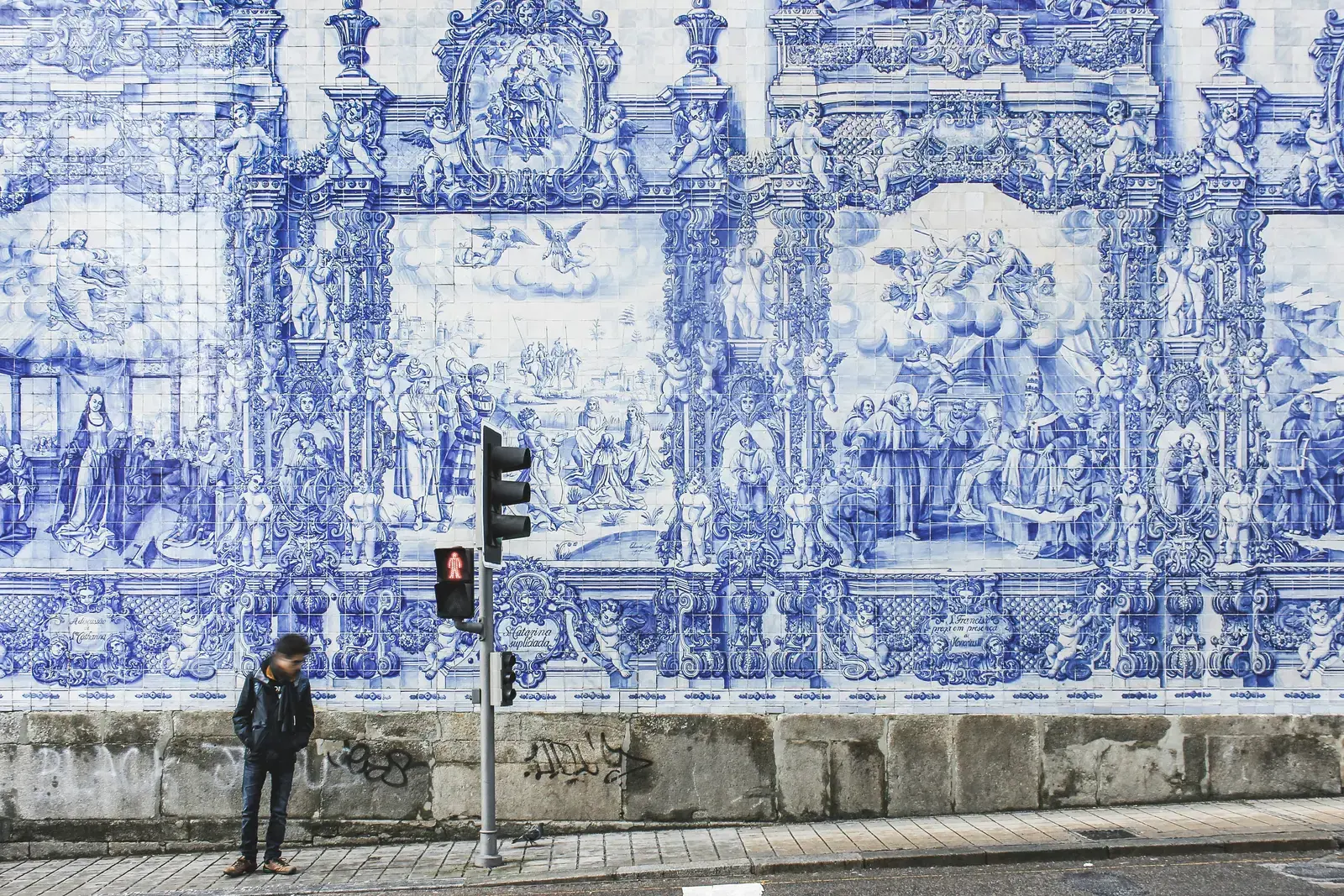
Begin your day at São Bento Station in central Porto, where the azulejo panels cover the walls. Buy a round-trip ticket to Aveiro from the ticket office or the automatic machines. The regional train (Linha do Norte) departs from the lower platforms, and the journey takes about 1 hour 15 minutes. Trains run roughly every 30 to 60 minutes, so check the departure board and aim for a train that leaves before 9:30 AM. That puts you in Aveiro by 10:45, with the morning ahead of you. If you are staying in Porto, you can walk to São Bento from most central hotels, or take the metro to the São Bento station on line D. The station itself is worth a few minutes of exploration, as its walls are covered with more than 20,000 azulejo tiles depicting scenes from Portuguese history. Arrive at least 15 minutes before departure to find your platform and settle in.
If you prefer a faster option, the Alfa Pendular and Intercidades trains cut the trip to about 50 minutes, but they require a reservation and cost more. The regional train is cheaper and still comfortable, with seats facing forward. Once you board, find a window seat on the left side for views of the Douro River as you leave Porto. You will pass through Gaia and Vila Nova de Gaia before the line turns inland. Use the travel time to sketch a rough plan: start at the canals, then move to the historic center, and finish with lunch near the fish market. The train also stops at Espinho, a seaside town, but you should stay on until Aveiro. If you are traveling with children, bring snacks and a book or game, as the journey is long enough to require some entertainment. The train is air-conditioned in summer, but it can get cool, so carry a light jacket.
Before you leave Porto, consider a quick visit to the São Bento station's main hall, where the blue and white tiles tell stories of Portuguese battles and daily life. The station is a tourist attraction in its own right, and you can snap a few photos without delaying your train. If you have time, grab a coffee at the station's café, which is conveniently located near the platforms. The café serves pastries and sandwiches, but you might want to save your appetite for Aveiro's specialties. The station is also connected to the metro, so you can easily reach it from anywhere in the city. The regional train is the most practical option for a day trip, as it is frequent and affordable. You can buy tickets at the machine, which accepts cash and cards, and you can choose the time of your return journey later, as the ticket is open for the day.
Walk from Aveiro Station to the central canals
Step out of Aveiro Station onto Avenida Dr. Lourenço Peixinho, the main boulevard that runs straight to the city center. Walk about 10 minutes until you reach the Rotunda da Ponte, where the canal system begins. You will see the first of the colorful moliceiros, the traditional boats with painted prows, moored along the water. Cross the bridge and turn right onto Cais dos Moliceiros, a promenade lined with cafés and small boat operators. The boulevard is wide and tree-lined, with shops and bakeries along the way. If you need a coffee or a pastry, stop at one of the pastelarias, where you can try a pastel de nata or a local specialty like ovos moles. The walk is flat and easy, suitable for strollers and wheelchairs.
Take a moment to watch the boats glide by. The canals are the heart of Aveiro, and the best way to see them is on a 45-minute boat ride. You can buy tickets from the kiosks along the canal, and the boats depart regularly. The ride takes you through the central canals, under low bridges, and past the Art Nouveau buildings that give Aveiro its nickname, the Venice of Portugal. If you prefer to stay on land, follow the canal path toward Praça do Peixe, where the old fish market now hosts a cultural center. Along the way, you will pass the Jardim do Rossio, a small park with a bandstand and benches, perfect for a short rest. The area is pedestrian-friendly, and you can easily spend an hour just wandering the quays and watching the boats.
As you walk, notice the architecture: many buildings have intricate iron balconies and tiled facades. The Aveiro Tourist Office is located near the canal, and you can pick up a map or ask for recommendations. The staff speak English and can help you plan your afternoon. If you are interested in the history of the region, the Museu de Aveiro is a short walk from the canal, housed in a former convent. The museum is a good place to escape the heat or rain, and it offers a glimpse into the lives of the nuns who once lived there. The museum's highlight is the tomb of Princess Santa Joana, a masterpiece of baroque art. You can also see the original azulejos that decorated the convent's walls. The museum is open from Tuesday to Sunday, and the entrance fee is modest.
Ride a moliceiro and see the Art Nouveau facades
Climb aboard a moliceiro for the classic Aveiro experience. The boatman will navigate through the Canal Central, passing under the iron bridges and alongside the colorful houses. The ride lasts about 45 minutes and costs around 10 euros per person. You will see the old salt pans and the modern marina, and the boatman will point out the painted scenes on the prows, which often depict local legends or religious motifs. The boats are flat-bottomed, so the ride is smooth, even for young children. The boats are covered, so you are protected from the sun or light rain. You can book a private boat for a more intimate experience, but the shared boats are fine and cheaper. The boat ride is a must-do, and it is also a great way to get oriented with the city's layout.
After the boat ride, walk to the Museu de Aveiro, housed in the former Convento de Jesus. The museum holds the tomb of Princess Santa Joana, and the interior features gilded woodwork and azulejo panels. The entrance fee is modest, and you can explore at your own pace. From the museum, wander through the narrow streets of the historic center, where you will find examples of Art Nouveau architecture, such as the Casa do Major Pessoa on Rua João Mendonça. The building now serves as a museum, and its facade is a prime example of the style. The museum is small but interesting, with exhibits on the history of Aveiro and the Art Nouveau movement. If you are short on time, you can simply admire the exterior and take photos. The historic center is compact, and you can cover it in an hour or two, depending on how often you stop.
For a deeper dive into the azulejo tradition, you might consider a guided walk in Porto that focuses on tiles, such as a Porto azulejos architecture walk. This experience can be arranged for a different day, but it will enhance your appreciation of the tiles you see in Aveiro. The walk typically covers the São Bento station and other tiled landmarks, and it is led by a local guide who can explain the history and techniques. If you are planning to spend more time in Porto, this is a worthwhile addition to your itinerary. Alternatively, you can simply enjoy the tiles in Aveiro, which are equally beautiful and less crowded. The Casa do Major Pessoa is a good example of Art Nouveau, and its interior has been restored to its original splendor.
Lunch near the Mercado do Peixe
By early afternoon, you will be ready for lunch. Head to the area around Praça do Peixe, where the old fish market has been converted into a food hall with several stalls. You can choose from fresh seafood, grilled fish, and regional dishes like bacalhau à brás. The market is a casual spot, so you can order at the counter and sit at shared tables. If you prefer a sit-down meal, walk a few minutes to Rua Tenente Resende, where you will find traditional restaurants serving oven-roasted leitão (suckling pig), a specialty of the nearby town of Mealhada. The market is a great place to try a variety of dishes, as each stall offers something different. You can also buy local cheeses and cured meats to take away. The market is busiest between 12:30 and 2:00 PM, so arrive early to get a seat.
For a lighter option, try the ovos moles, a local sweet made with egg yolks and sugar, often shaped like shells or barrels. You can buy them from the pastry shops along Rua João Mendonça or at the market. Pair them with a coffee and sit by the canal to watch the boats. If you have room, sample the soft cheese from the region, such as Serra da Estrela, which is often served with bread and jam. The ovos moles are a must-try, and you will see them everywhere in Aveiro. They are sweet and rich, so a small portion is enough. For a more substantial meal, consider the seafood rice or grilled sardines, which are popular in the region. The market also has a few stalls selling fresh fruit and juices, perfect for a refreshing break.
If you are a seafood lover, you might also consider a dedicated seafood lunch in Matosinhos, a fishing town near Porto. You can arrange a visit to Matosinhos on another day, and perhaps combine it with a Matosinhos seafood lunch. This experience includes a guided tour of the fish market and a meal at a local restaurant, where you can taste the freshest catch of the day. Matosinhos is easily accessible from Porto by metro, and it is a popular spot for both locals and tourists. However, if you are only in Porto for a short time, Aveiro's market offers a similar experience with a more intimate setting. The choice depends on your schedule and preferences.
Visit the beaches of São Jacinto or Costa Nova
After lunch, you have two options for the afternoon. The first is to take the ferry from the Aveiro pier to São Jacinto, a small town on the other side of the lagoon. The ferry departs from the Cais do Jardim, near the central canal, and takes about 20 minutes. São Jacinto has a long sandy beach and a nature reserve with walking trails. You can rent a bike or simply walk along the shore. The ferry runs every hour, so plan your return to catch the last one back to Aveiro. The nature reserve is home to a variety of bird species, and you might see flamingos in the lagoon. The beach is less crowded than Costa Nova, making it a peaceful escape. Bring sunscreen and water, as there are few facilities on the beach.
The second option is to take a bus or drive to Costa Nova, a fishing village known for its striped houses. The bus from Aveiro station takes about 30 minutes, and the village has a beach and a promenade. You can walk along the wooden boardwalk, swim in the Atlantic, or have a snack at one of the beach bars. Costa Nova is more developed than São Jacinto, but it offers a quintessential Portuguese seaside experience. If you choose Costa Nova, make sure to check the bus schedule for the return trip, as the last bus may leave before sunset. The striped houses are a photographer's dream, and you can spend an hour just walking the streets. The beach is wide and sandy, with lifeguards in summer. There are also several restaurants where you can have a late afternoon snack or a drink.
If you prefer to stay in Aveiro, you can visit the salt pans, which are still in use today. The salt is harvested by hand, and you can see the white mounds from the road. Some tours offer a chance to walk among the pans and learn about the traditional methods. The salt from Aveiro is prized for its quality, and you can buy a bag to take home. The salt pans are located on the outskirts of the city, and you can reach them by bike or on foot. The area is flat and easy to navigate, and it offers a different perspective on the region's economy. The salt pans are also a haven for birds, so bring binoculars if you are a birdwatcher.
Return to Porto by train and end with a riverside walk
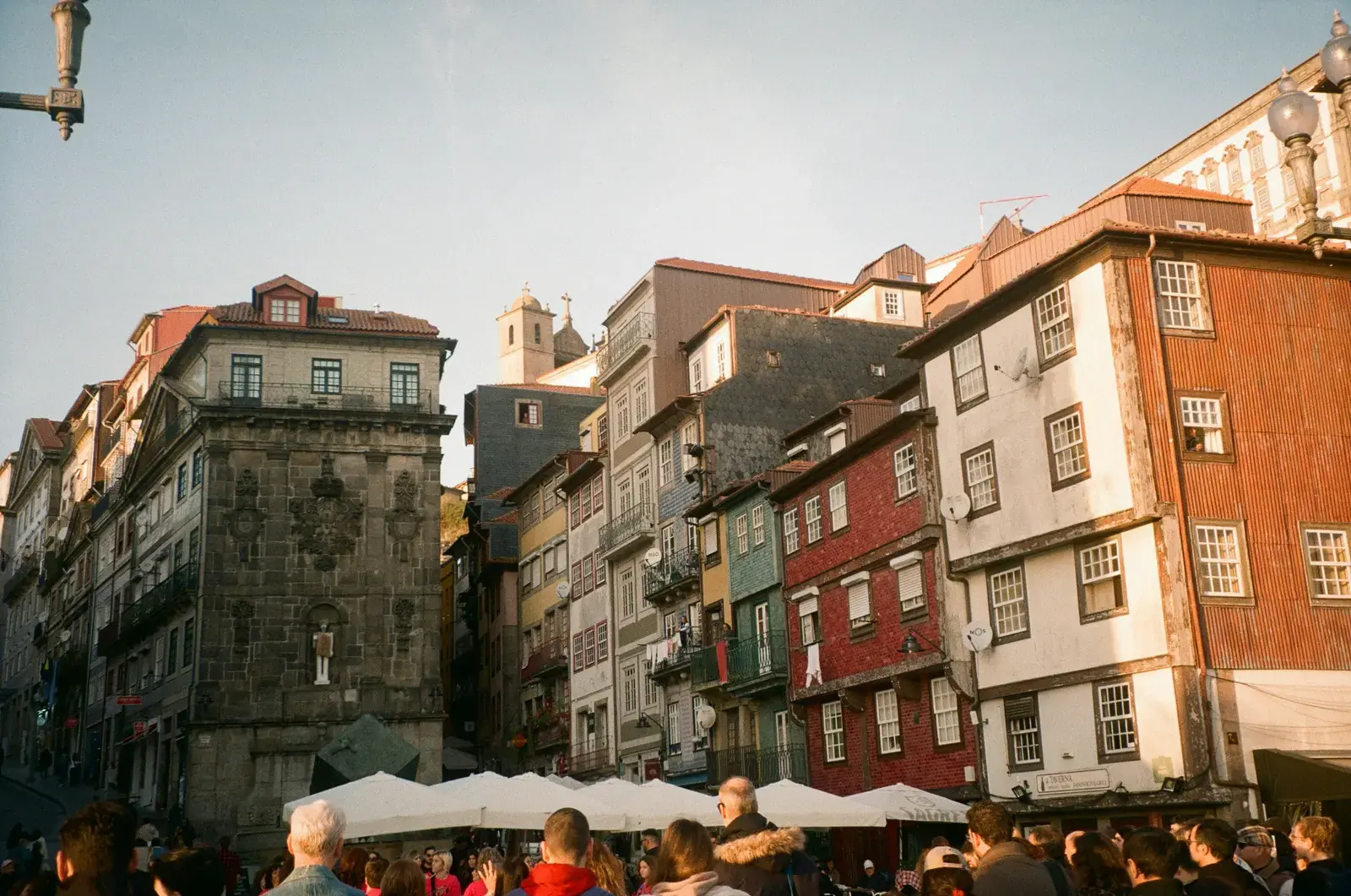
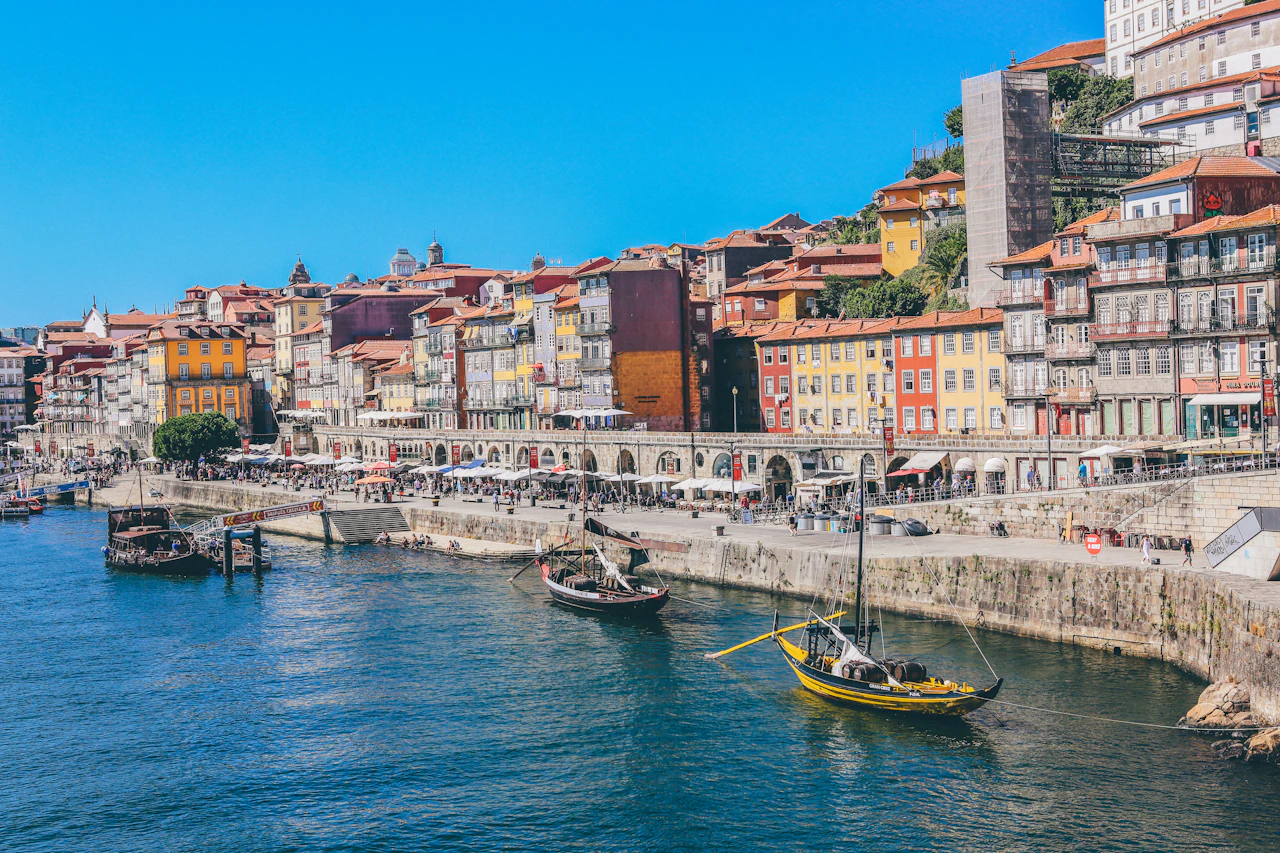
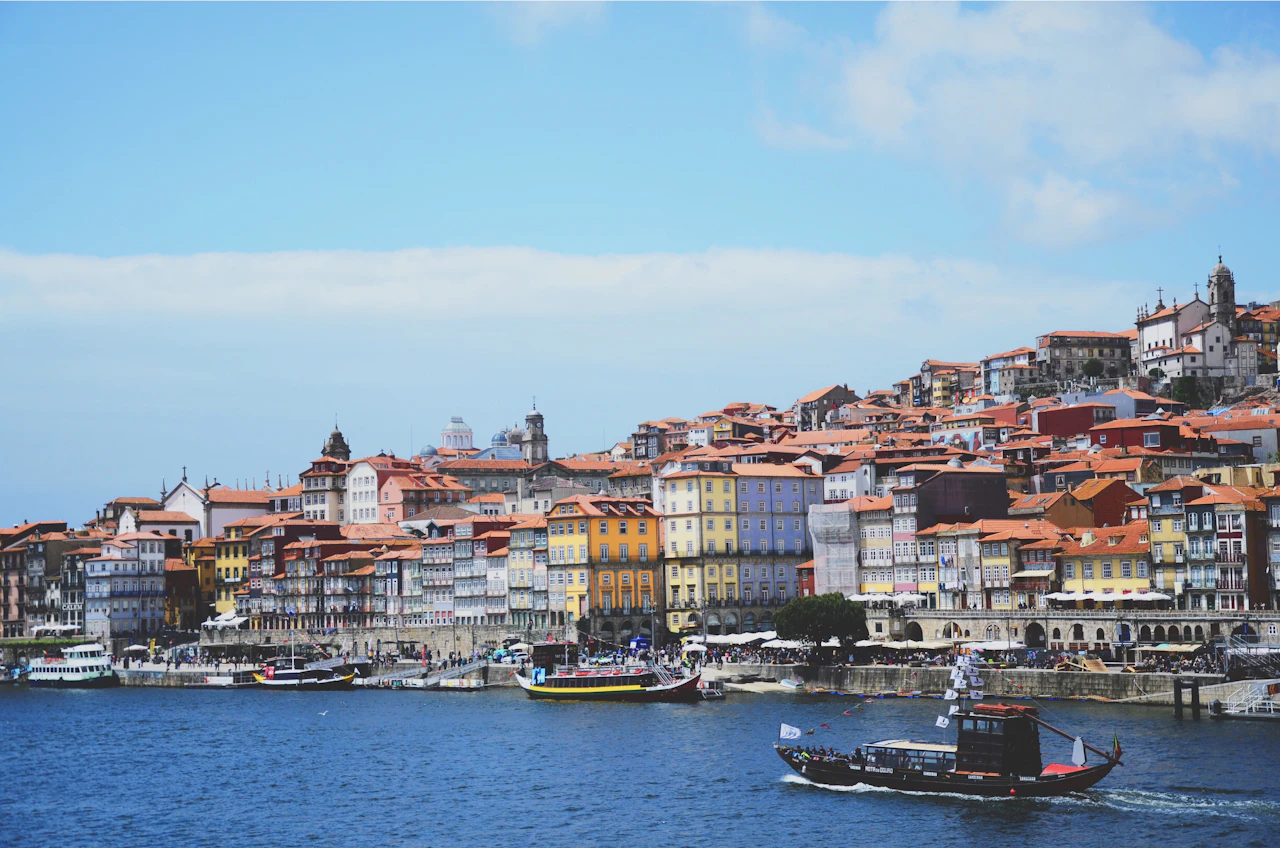
Plan to catch a train back to Porto in the late afternoon, around 5:30 or 6:00 PM. The regional trains run frequently, and the journey takes about 1 hour 15 minutes. If you have time, buy some ovos moles or a bottle of local wine to take home. Once you arrive at São Bento, you can walk down to the Ribeira district, where the Douro River meets the Atlantic. The evening light on the river is a fitting end to your day trip. The walk from São Bento to the Ribeira takes about 10 minutes downhill, and you will pass through the narrow streets of the old town. You can also take the metro one stop to the São Bento station, but walking is more scenic.
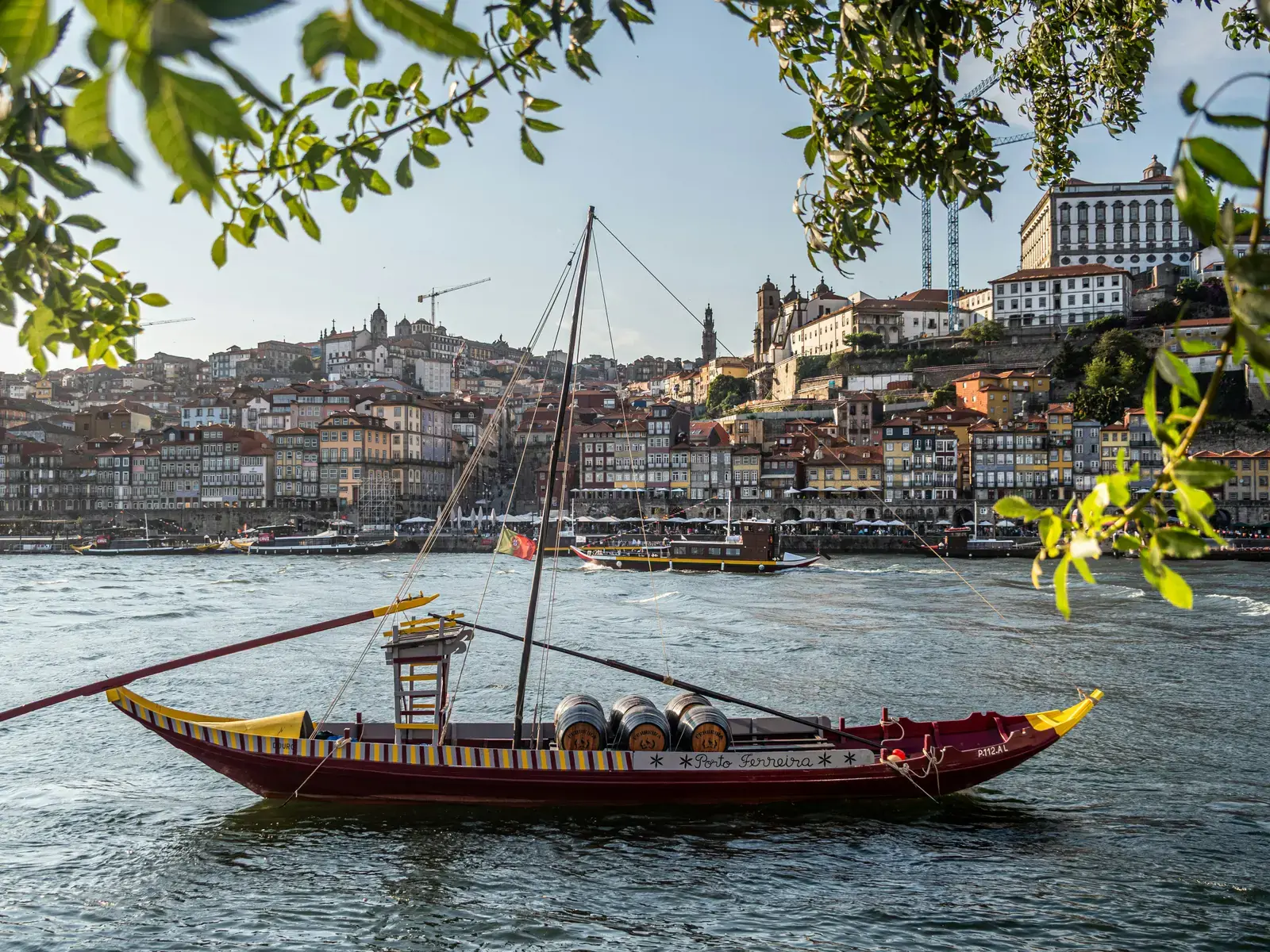
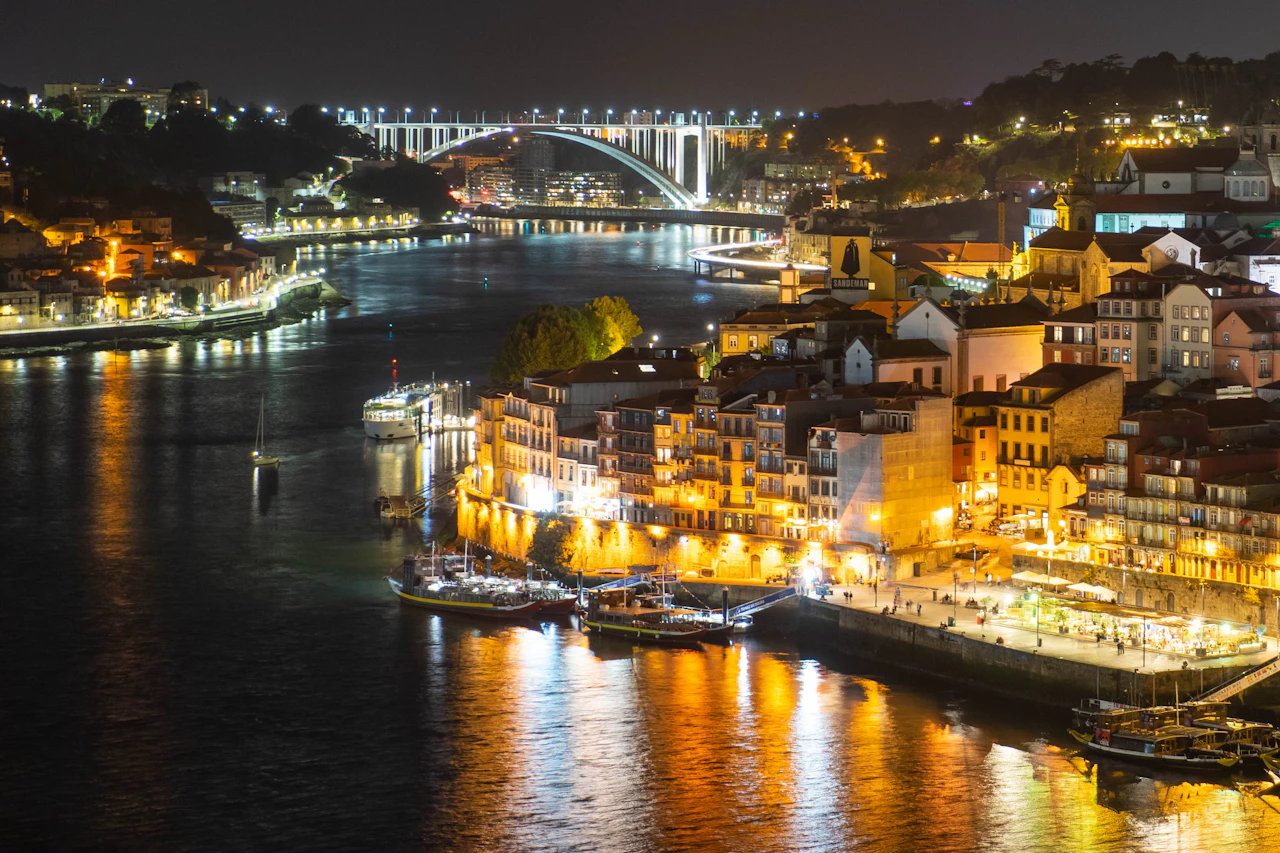
If you are not too tired, consider a short walk along the Cais da Ribeira, where you can watch the rabelo boats and the port wine lodges across the river in Gaia. You might even catch a glimpse of the Dom Luís I Bridge illuminated at night. For dinner, you could stay in Ribeira and try one of the many restaurants serving francesinha, a hearty sandwich with ham, sausage, and melted cheese, covered in a tomato-beer sauce. Or you could head back to your accommodation and rest for the next day's adventures. If you are interested in a guided food tour, you might consider a Ribeira food walk to sample local specialties. Alternatively, you could book a rabelo river cruise for a different perspective on the city. These experiences can be arranged through Porto For You, and they are a great way to make the most of your evening in Porto.
If you have a full day to spare, you might also consider a day trip to the Douro Valley, which is famous for its terraced vineyards and port wine. You can book a guided tour that includes a river cruise and a wine tasting, such as a Douro Valley day trip. This is a longer excursion, but it is one of the most memorable experiences in the region. The Douro Valley is about two hours from Porto by car or train, and the scenery is breathtaking. You can also visit a port wine cellar in Gaia, such as a Gaia port wine cellar tasting, which is just across the river from Porto. These experiences can be combined with your day trip to Aveiro or enjoyed on separate days, depending on your itinerary.
Good to know
How long is the train ride from Porto to Aveiro?
The regional train takes about 1 hour 15 minutes, while the faster Alfa Pendular takes about 50 minutes but costs more and requires a reservation.
Can I do Aveiro as a day trip from Porto?
Yes, Aveiro is a popular day trip. You can easily see the canals, visit a museum, and have lunch in a day, with time to spare for a beach visit.
What is the best time to visit Aveiro?
Spring and early autumn offer mild weather and fewer crowds. Summer can be busy, but the beaches are more inviting.
Are the moliceiro boat rides worth it?
Yes, the boat ride is the best way to see the canals and the colorful architecture. It lasts about 45 minutes and is suitable for all ages.
What should I eat in Aveiro?
Try ovos moles, a local sweet, and fresh seafood at the Mercado do Peixe. For a heartier meal, seek out leitão, a roasted suckling pig specialty from the region.
Share this post



Useful for planning?
Receive notes like this once a month.