
Bifanas, Sandes and Other Quick Porto Snacks Between Sights
A practical guide to Porto's quick snacks: where to find bifanas, francesinhas, and other sandwiches while sightseeing, with neighbourhood logistics and timing.
- Written by
- Miguel Enes
- Published
- Reading time
- 12 min read
Miguel Enes — More than 15 years building software and turning complex systems into simple, reliable guest-facing tools.
The Bifana: Porto’s Essential Pork Sandwich
You will find the bifana – a thin pork cutlet marinated in garlic and white wine, then simmered in its own juices – at nearly every tasca and café in Porto. The classic version comes on a soft papo-seco roll with no lettuce, tomato, or mayonnaise. Just meat, bread, and optionally a dab of mustard or hot piri-piri sauce. The meat is sliced thin, pounded flat, and cooked in a large pan with garlic and white wine until tender. The bread absorbs the juices, making each bite savoury and moist. Locals often order a bifana with a side of fries or a small beer. The price is usually between €2.50 and €4, making it an affordable snack between sights. You can eat it standing at the counter or take it away wrapped in paper. The best time to grab one is mid-morning or late afternoon, when the meat is freshly cooked and the bread is still warm.
For a proper bifana, head to a Ribeira food walk that stops at Conga, a no-frills spot on Rua do Bonjardim near the Bolhão market. Order one bifana (around €3) and eat standing at the counter. The queue moves fast, and the meat is tender, garlicky, and juicy. Another reliable option is O Afonso on Rua da Picaria, where the bifana comes with a thin slice of cheese melted on top – locals call it a bifana com queijo. If you are near the Aliados avenue, try O Buraquinho on Rua de Sá da Bandeira, a small tasca that has been serving bifanas for decades. The staff are brusque but efficient, and the bifana is consistently good. Pair it with a Super Bock beer for a complete snack. You can also find bifanas at the Bolhão market itself, at stalls like Casa Guedes, though their specialty is pork shoulder sandwiches. The bifana is a quick, satisfying bite that fuels your walk through the city centre.
Francesinha: The Indulgent Stacked Sandwich
The francesinha is Porto’s answer to a croque-monsieur, but far more substantial: layers of cured ham, fresh sausage, steak, and melted cheese, all topped with a hot tomato-beer sauce and a fried egg. It is not a quick snack in the strict sense – expect to spend 20 minutes eating – but it is a sandwich you can grab at lunch between sights. The sauce is the key: a blend of tomato, beer, and spices that is slightly sweet and tangy. Some places add a splash of port wine. The sandwich is served on a square plate, often with a pile of fries on the side. You eat it with a knife and fork, cutting through the layers of meat and melted cheese. The francesinha is heavy, so plan it as your main meal of the day. Many locals eat it for lunch and then have a light dinner.
For a classic version, try Café Santiago on Rua de Passos Manuel, a five-minute walk from São Bento station. The sauce is slightly spicy and the bread stays crisp. If you are near the Clérigos Tower, Bufete Fase on Rua de Santa Catarina serves a solid francesinha with a side of fries. Both places are busy at peak hours (12:30–14:00), so arrive early or after 14:30. Another option is Yuko Tavern on Rua de Santa Catarina, which offers a francesinha with a choice of sauces, including a mushroom sauce. For a lighter version, ask for a francesinha without the egg. The price ranges from €8 to €12, depending on the size and extras. If you are in Gaia after a Gaia port wine cellar tasting, cross the Dom Luís I bridge and walk to Café Santiago – it is about 15 minutes on foot. The francesinha pairs well with a cold beer or a glass of red wine.
Prego no Pão: Beef Steak Sandwich
The prego no pão is a thin beef steak, grilled and served on a bread roll, often with garlic, olive oil, and a slice of ham. It is simpler than a francesinha but more substantial than a bifana. You will find it on many lunch menus. The beef is usually cooked medium-rare, but you can ask for it well-done. The bread is lightly toasted, and the meat is seasoned with salt and garlic. Some places add a drizzle of olive oil or a squeeze of lemon. The prego is often served with a side of rice, fries, or a salad. It is a satisfying snack that can be eaten quickly if you are in a hurry. The price ranges from €5 to €8, depending on the sides.
A good spot is Gazela on Rua de Santa Catarina, known for its prego and also for its cachorrinho (a hot dog with a special sauce). The counter is small, so take your sandwich to go and eat on a bench in the nearby Praça da Batalha. Another option is O Diplomata on Rua de Sá da Bandeira, where the prego comes with a side of rice and fries for around €8. If you are near the Bolhão market, try Casa Guedes on Praça dos Poveiros for a prego de pernil (pork shoulder) – a variation that is equally popular. The meat is slow-roasted and shredded, then piled on a roll with a tangy sauce. It is messy but delicious. For a classic beef prego, head to Taberna dos Mercadores in the Ribeira district, where you can eat on a terrace overlooking the Douro river. The walk from São Bento station takes about 10 minutes downhill.
Cachorrinho: Porto’s Hot Dog
Do not confuse a cachorrinho with an American hot dog. Porto’s version uses a thin sausage, a soft bread roll, and a secret sauce made from tomato, beer, and spices. It is smaller than a francesinha and easier to eat while walking. The sausage is boiled or grilled, then placed in the roll and topped with the sauce. Some places add melted cheese or a sprinkle of oregano. The cachorrinho is a popular late-night snack, often eaten after a few drinks. You can find it at many tascas and snack bars, especially in the Bolhão and Cedofeita neighbourhoods. The price is around €2.50 each, making it one of the cheapest snacks in Porto.
The best-known cachorrinho is at Gazela (mentioned above), where the sauce is slightly sweet and tangy. Order two to make a meal. The shop opens at 10:00 and stays busy until late. If you are near the Bolhão market, stop by Casa Guedes on Praça dos Poveiros for a cachorrinho de pernil (pork shoulder) – a variation that is equally popular. Another option is O Cachorrinho on Rua de Passos Manuel, a small takeaway spot that serves only cachorrinhos. The sauce is secret, but locals say it includes port wine and paprika. The cachorrinho is a great snack to grab before or after a Rabelo Douro river cruise, as the cruise terminal is a 10-minute walk from Gazela. Eat it on the steps of the Dom Luís I bridge for a view of the river.
Quick Snacks at Markets and Street Stalls
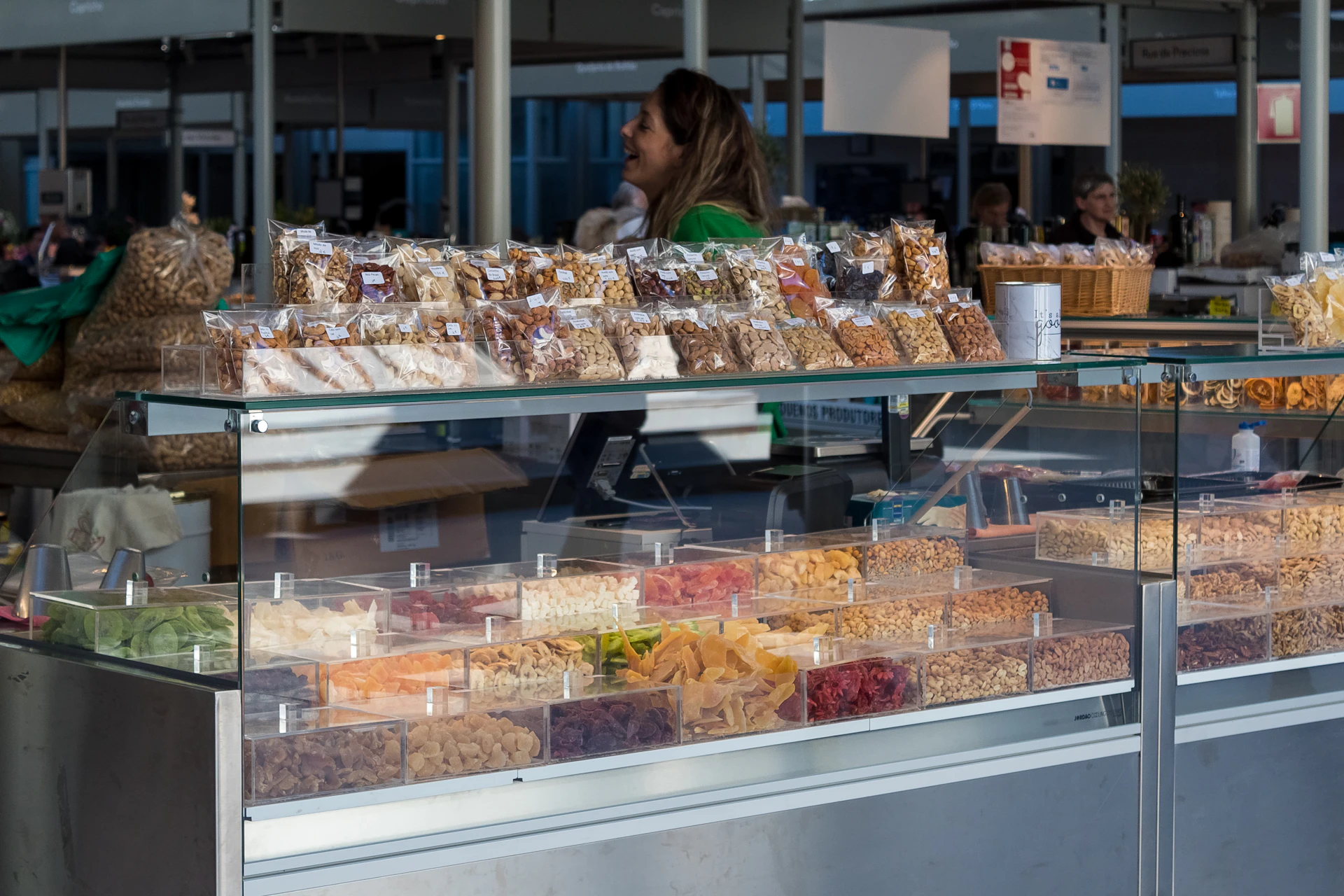
The Bolhão market (Rua de Bolhão) has several stalls selling ready-to-eat snacks. Look for the pastel de bacalhau (codfish cake) – a deep-fried croquette of shredded cod, potato, and onion. It is best eaten hot, straight from the fryer. Pair it with a glass of vinho verde from the same stall. The market is open Monday to Saturday from 07:00 to 17:00, but arrive before 14:00 for the best selection. Another snack to try is the bolinho de bacalhau, a smaller version of the pastel de bacalhau, often served as a petisco (appetiser). You can also find queijo da serra (mountain cheese) and presunto (cured ham) at the market's deli counters – ask for a sandes mista (mixed sandwich) with cheese and ham.
At the Mercado do Bom Sucesso (near the Casa da Música), you will find a food hall with multiple counters. Try the sandes de leitão (suckling pig sandwich) at O Leitão – the meat is slow-roasted and served on a crispy roll with a squeeze of orange. This market is open daily until 22:00, making it a good stop after an evening activity. Also try the empadas (savoury pies) at Empadas do Bonfim, filled with chicken, beef, or vegetables. The crust is flaky and buttery. For a sweet snack, the market has a stall selling farturas (Portuguese churros) dusted with cinnamon and sugar. The market is a 5-minute walk from the Casa da Música metro station (lines A, B, C, E, F). If you are exploring the Foz district, stop by the Mercado da Foz on Rua do Campo Alegre for a smaller selection of snacks, including fresh seafood and pastries.
Sweet Snacks: Pastéis de Nata and More
No snack guide is complete without the pastel de nata – a custard tart with a caramelised top and flaky pastry. While not originally from Porto, it is ubiquitous. The best in the city are at Manteigaria on Rua dos Clérigos, where you can watch them being made. Eat one fresh, dusted with cinnamon. The shop opens at 08:00 and closes at 20:00. Another good option is Pastelaria Clérigos on Rua de São Bento da Vitória, which also sells pastéis de nata and other pastries. The tarts are slightly smaller but equally good. You can also find pastéis de nata at the Bolhão market, at stalls like Confeitaria do Bolhão.
For a Porto-specific sweet, try the pão de ló (sponge cake) at Confeitaria do Bolhão on Rua de Bolhão. It is moist, eggy, and sold by the slice. Another local treat is the toucinho do céu (almond and egg cake), available at Pastelaria Clérigos. Both are light enough to eat between meals. If you are near the Foz district, stop by Padaria Ribeiro on Rua do Campo Alegre for a bolo de arroz (rice muffin) – a small, dense cake made with rice flour. It is a popular breakfast snack, but works well any time of day. For a more substantial sweet snack, try the baba de camelo (a caramel pudding) at a pastelaria – it is rich and creamy, often served in a small cup. Pair it with an espresso (bica) for a quick afternoon pick-me-up.
Logistics: Timing and Neighbourhoods
Most snack spots are concentrated in the central neighbourhoods: Ribeira, Sé, Bolhão, and Cedofeita. Plan your snack stops around your sightseeing route. For example, after visiting the Clérigos Tower, walk two minutes to Manteigaria for a pastel de nata. After exploring the Bolhão market, cross the street to Conga for a bifana. If you are in the Ribeira, stop by Taberna dos Mercadores for a prego no pão – the terrace overlooks the Douro river. The walk from São Bento station to the Ribeira takes about 10 minutes downhill, passing through the Sé district. If you are heading to the Foz, take bus 500 from Aliados (direction Matosinhos) – the ride takes 20 minutes. In Foz, try the sandes de leitão at O Leitão or a pastel de nata at Padaria Ribeiro.
Lunch hours in Porto run from 12:00 to 14:30, and many snack bars close between 15:00 and 17:00. If you are sightseeing in the afternoon, look for places that serve continuously, like Gazela (open 10:00–23:00) or the Mercado do Bom Sucesso (open all day). For a late-night snack after a port tasting in Gaia, head to Café Santiago, which stays open until 23:00. The Dom Luís I bridge connects Porto to Gaia, and the walk across takes about 15 minutes. On the Gaia side, you will find several port cellars, including Taylor's and Graham's, which offer tastings until 18:00 or 19:00. After your tasting, cross back to Porto for a francesinha or a bifana. If you are in Matosinhos for a Matosinhos seafood lunch, you can also find snack bars near the beach serving pregos and bifanas – try O Afonso on Rua da Picaria for a bifana com queijo.
Drinks to Accompany Your Snack
A bifana or prego pairs well with a Super Bock beer (the local lager) or a glass of vinho verde – a young, slightly sparkling white wine from the Minho region. Many tascas serve both. If you prefer something non-alcoholic, ask for uma coca-cola or uma água das Pedras (sparkling mineral water). For a stronger drink, try a bagaço (grape pomace brandy) – it is potent and often drunk after a meal. Some bars serve it with a coffee bean, which you chew before drinking. A glass of vinho verde is especially refreshing on a warm day, and it cuts through the richness of a francesinha or prego.
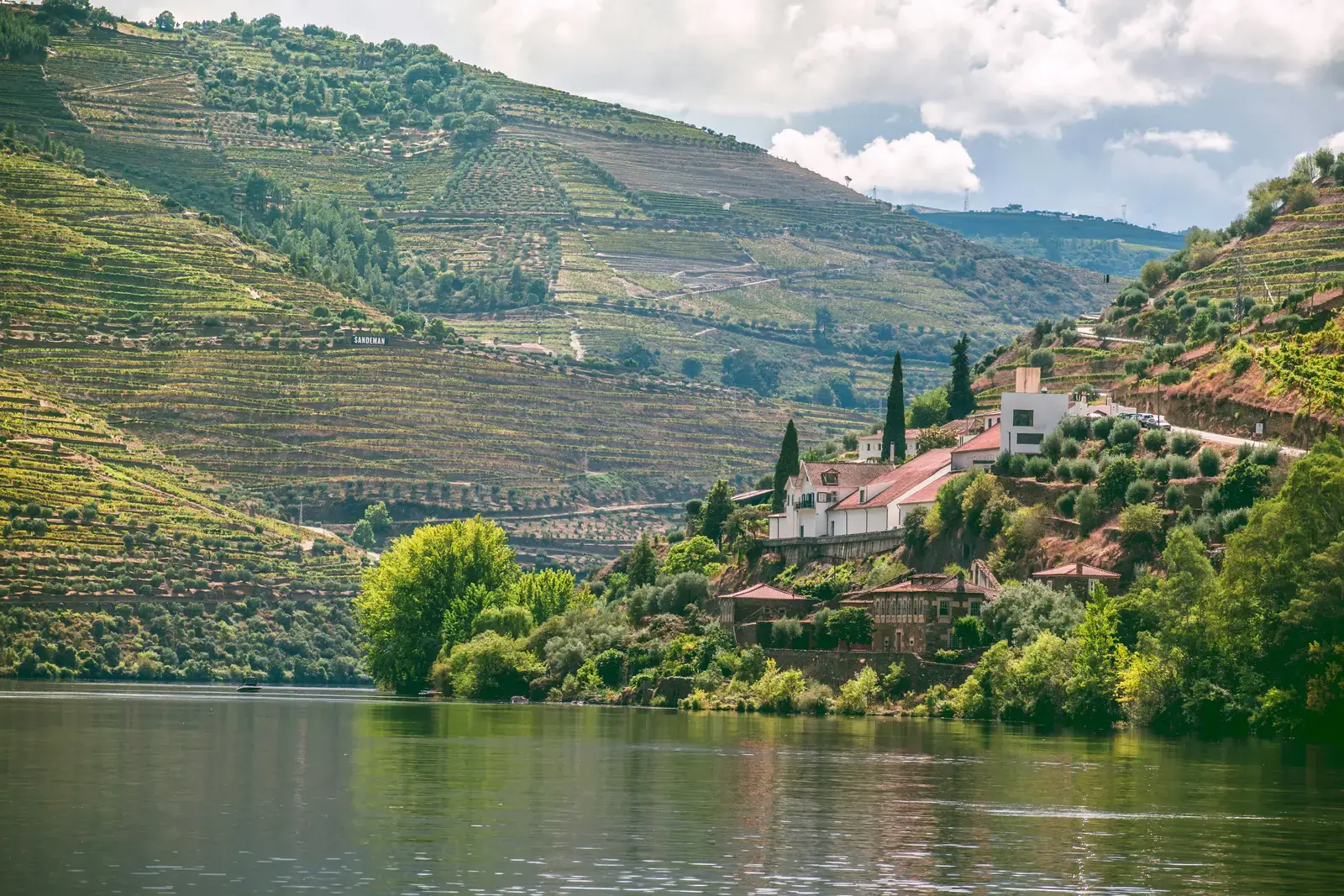
For a digestif after a francesinha, order a glass of porto tawny or a bagaço. Most bars near the Ribeira will have these. If you are doing a Douro Valley day trip, save your port tasting for the cellars in Gaia – the views across the river are worth the walk. In the Douro Valley, you can also try the local table wines, which are excellent with food. Many wineries offer lunch pairings, but for a quick snack, the region is known for its queijo da serra (mountain cheese) and presunto (cured ham). Back in Porto, you can find these at the Bolhão market or at specialty shops like Comida de Santa on Rua de Santa Catarina. A glass of white port with tonic and a slice of lemon is a popular aperitif – try it at a café in the Ribeira before your snack.
Good to know
What is the difference between a bifana and a prego?
A bifana is made with marinated pork, while a prego uses beef steak. Both are served on a bread roll, but the bifana is typically more garlicky and juicy.
Where can I find the best francesinha in Porto?
Café Santiago on Rua de Passos Manuel is a classic choice. Bufete Fase on Rua de Santa Catarina is also well-regarded. Both are busy at lunchtime.
Are these snacks available for takeaway?
Yes, most tascas and cafés will wrap your sandwich to go. Gazela and Conga are especially quick for takeaway.
What is a cachorrinho?
It is a Porto-style hot dog with a thin sausage and a special tomato-beer sauce. Try it at Gazela on Rua de Santa Catarina.
Can I find vegetarian snack options?
Most traditional snacks are meat-based. For vegetarian options, look for pastéis de bacalhau (cod cakes) – though not vegetarian – or cheese sandwiches at markets like Bom Sucesso.
Share this post
Useful for planning?
Receive notes like this once a month.