
Coffee in Porto: What to Order and How Café Pauses Fit a Day
Practical guide to Porto coffee culture: what to order, when to pause, and how cafés fit your itinerary. Includes local terms, timing, and neighbourhood stops.
- Written by
- Miguel Enes
- Published
- Reading time
- 10 min read
Miguel Enes — More than 15 years building software and turning complex systems into simple, reliable guest-facing tools.
The Coffee Lexicon You Need
In Porto, coffee is ordered at the counter, not at a table. Walk up, say what you want, pay, and drink standing or at a small side ledge. The most common order is *um cimbalino* – a short espresso served in a small porcelain cup. If you want a double, ask for *um cimbalino duplo* or *um cimbalino cheio* (a fuller single). For milk-based coffee, *um galão* is a tall glass of hot milk with a shot of espresso – similar to a latte but served in a glass. *Uma meia de leite* is half milk, half coffee in a ceramic cup, closer to a cortado. Avoid ordering a cappuccino after 11 a.m.; locals rarely drink milky coffee after breakfast. If you want iced coffee, ask for *um café gelado* – it will come as a cold espresso with ice, sometimes with a side of milk. Knowing these terms will help you order confidently at any café in Porto, whether you are in Ribeira or near the Bolhão market.
Another useful term is *um abatanado* – a long espresso, similar to an Americano but made by pulling a longer shot. It is less common but available in some cafés. If you want a decaf, say *um descafeinado*. For a coffee with a splash of milk, ask for *um pingado*. This is a small espresso with a drop of milk, often served in a demitasse cup. You will also hear *um carioca* – a weak espresso made by running water through the grounds a second time. It is not common in Porto but some older cafés serve it. Practice these phrases before your trip, and you will blend in with locals at any pastelaria or tasca.
Payment is usually at the counter before you drink. Some places let you pay after, but it is safer to pay first. Keep small coins handy; many cafés do not accept cards for amounts under €5. If you sit at a table, there may be a small surcharge of €0.10 to €0.30. Check the menu board before sitting. Tipping is not expected, but rounding up to the nearest euro is appreciated. Now that you know the basics, you can navigate any coffee stop in Porto with ease.
Morning: Breakfast at a Pastelaria
Start your day at a pastelaria, not a hotel breakfast buffet. Around 8 a.m., join locals at places like Confeitaria do Bolhão on Rua Formosa 339, right next to the market. Order *um cimbalino* and a *pastel de nata* or a *torrada* – toasted bread with butter. The coffee comes fast; you stand, eat, and leave within 10 minutes. The pastel de nata is a small egg tart with cinnamon, best eaten fresh and warm. If you want something savoury, try a *rissol de camarão* (shrimp croquette) or a *francesinha* (a sandwich with ham, sausage, steak, and melted cheese, though that is more of a lunch item).
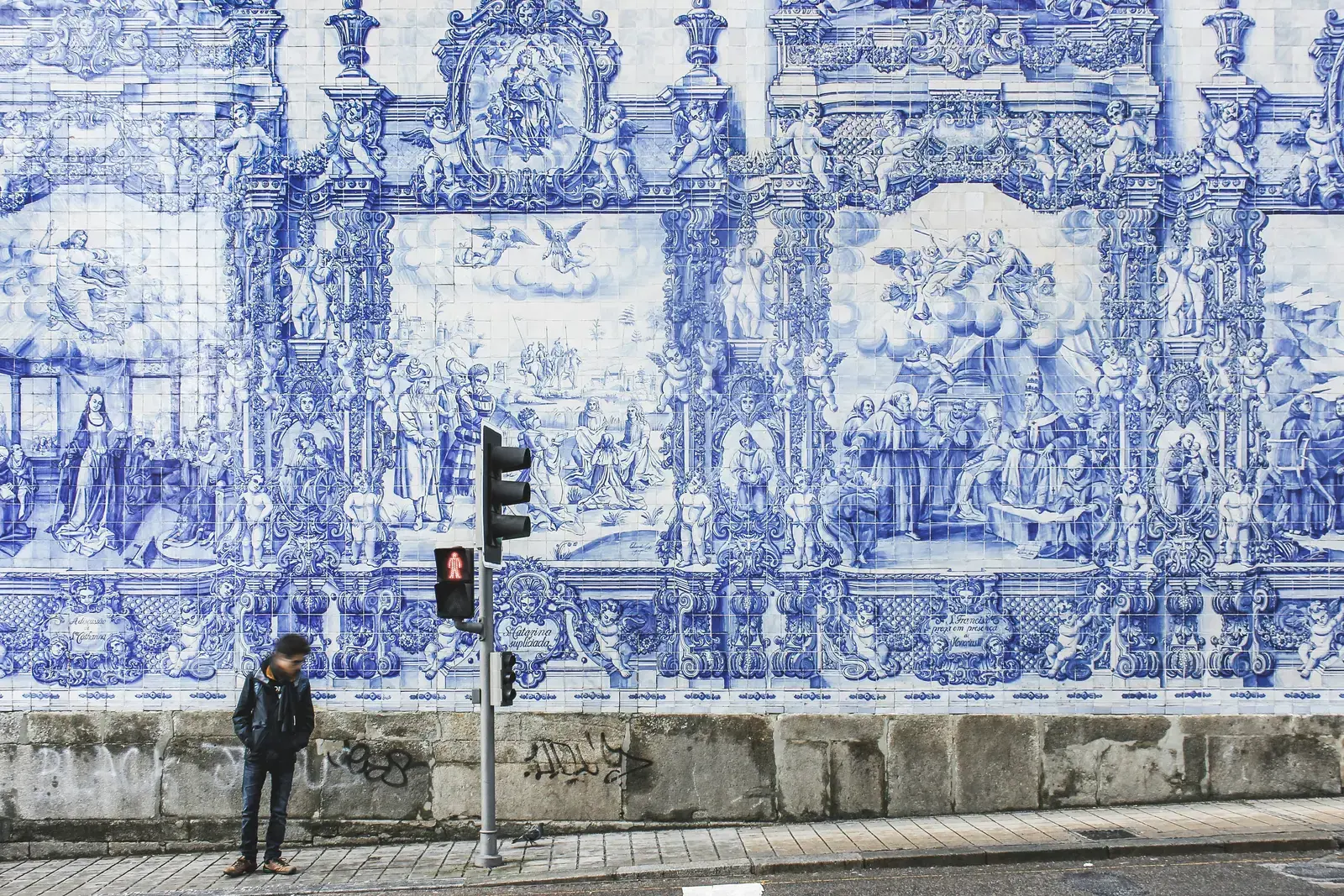
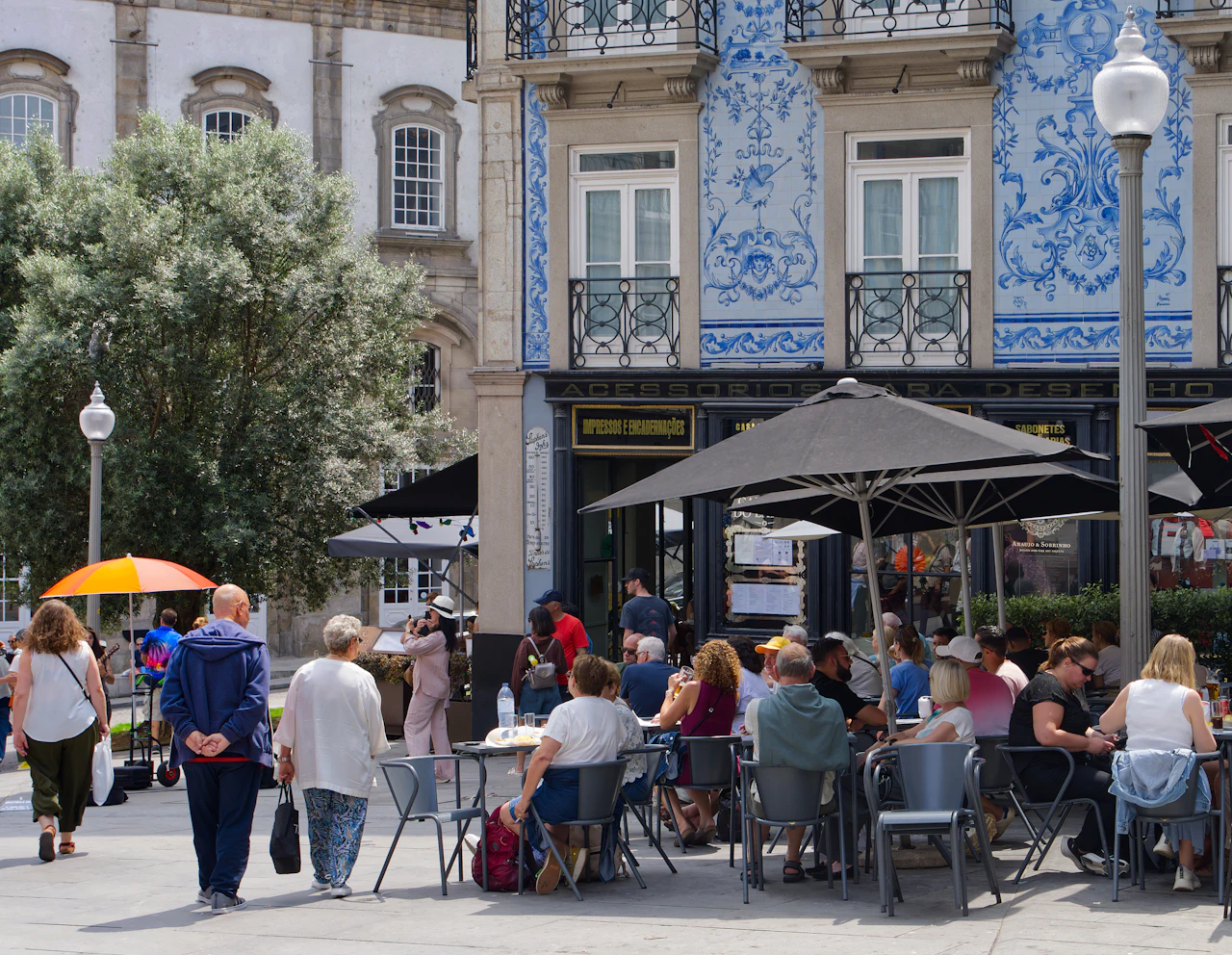
If you prefer a longer sit, head to Café Majestic on Rua Santa Catarina. It is a Belle Époque landmark with marble and mirrors. Order *um galão* and a *croissant misto* (ham and cheese toastie). Expect to pay €3–4 for coffee and pastry. The service is slower here, so budget 20 minutes. After breakfast, you are a 5-minute walk from the Porto azulejos architecture walk. Alternatively, walk to the Clérigos Tower, which is 10 minutes away. The morning light is good for photos of the blue tiles on churches and buildings along the way.
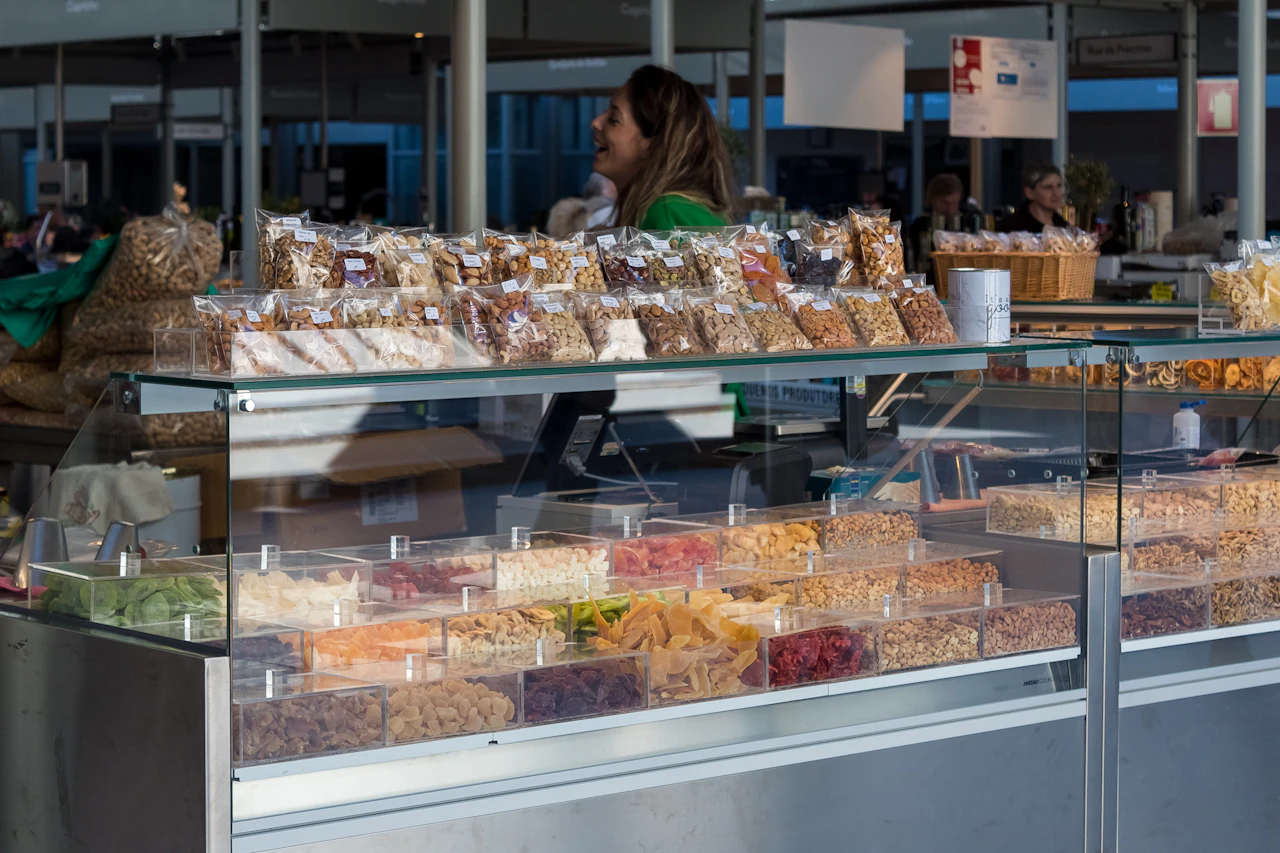
Another good option is Pastelaria Tupi on Rua de Sá da Banderia. It is a local chain with reliable coffee and pastries. Order *uma meia de leite* and a *bola de Berlim* (a Berliner doughnut filled with custard). The staff are used to tourists and will help you if you are unsure. The café opens at 7:30 a.m., so you can get an early start. From here, the Bolhão market is a 2-minute walk. You can browse the stalls after your coffee. The market is a good place to see local produce and buy dried fruits or nuts for later.
Mid-Morning: A Quick Stop Between Sights
By 10:30 a.m., you will be walking through Ribeira or climbing up to the Clérigos Tower. Instead of queuing for a tourist café, duck into a *tasca* – a small, no-frills bar. Try A Tasquinha on Rua do Comércio do Porto, near the Douro. Order *um cimbalino* and a *bagaço* (grape brandy) if you want a local kick. The coffee costs €0.70–€1.00. The tasca has a few stools at the counter, but most people stand. It is a good place to observe local life: workers on break, retirees reading newspapers, and friends chatting.
Another reliable stop is Café Guarany on Avenida dos Aliados. It is a large, art deco space with a long counter. Order *uma meia de leite* and a *bom bocado* (coconut and egg sweet). You can sit at a table without a surcharge. From here, it is a 3-minute walk to São Bento station. The café is popular with office workers, so it can be busy around noon. If you want a quieter spot, walk to Rua de Cedofeita, where there are several independent cafés. Try Combi Coffee Roasters at Rua de Cedofeita 345. They serve specialty coffee and have a small seating area. Order a *café filtrado* (filter coffee) if you want a lighter brew.
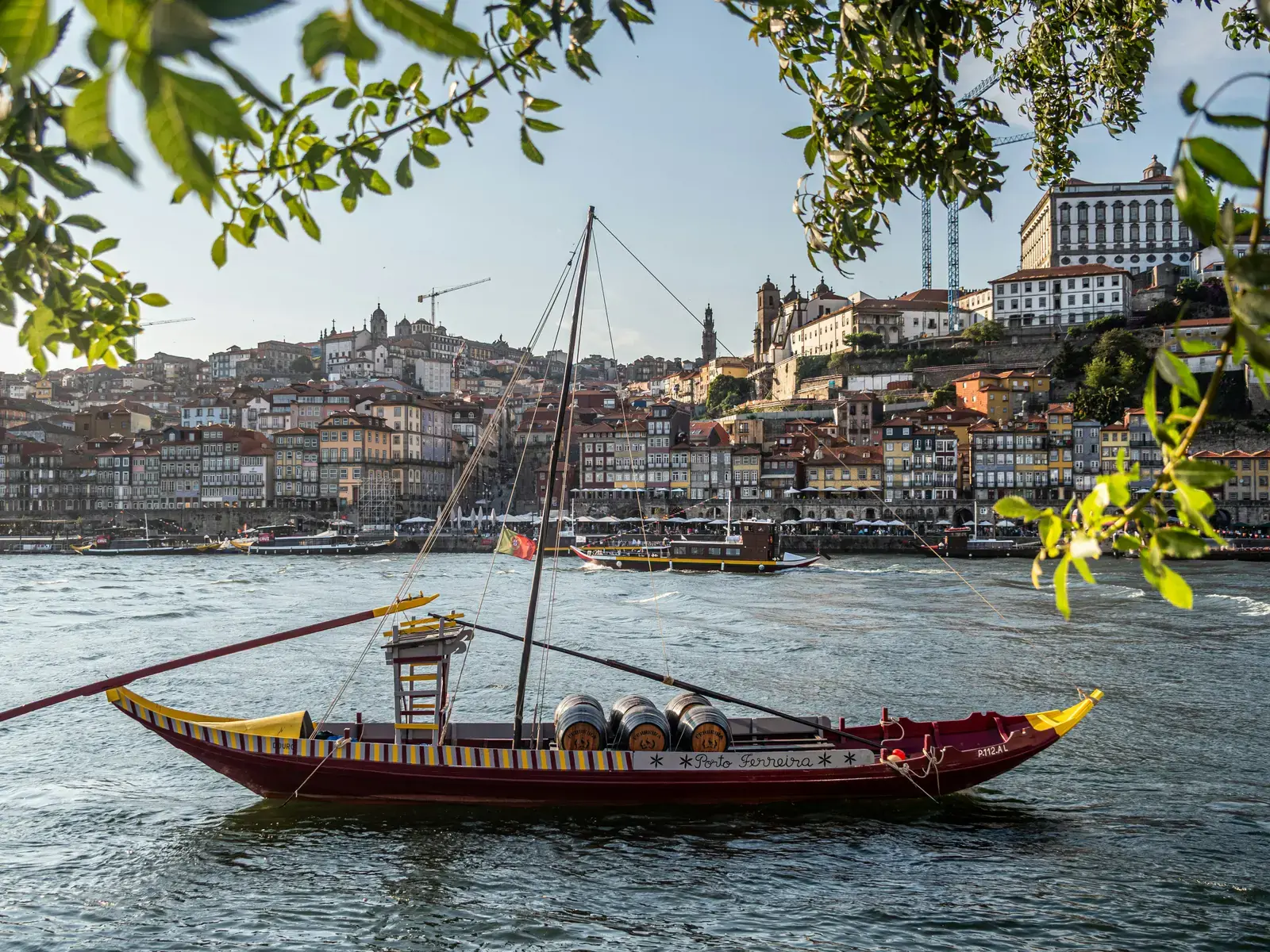
If you are near the Douro River, stop at Café do Cais on the Gaia side. It has outdoor tables with views of the Ribeira. Order *um cimbalino* and a *pastel de nata*. The coffee is good, and the view is worth the slightly higher price (€1.50). You can watch the rabelo boats on the river. From here, you can walk to the Rabelo Douro river cruise departure point, which is a 5-minute walk along the riverfront.
Lunchtime: Coffee as a Digestif
After a seafood lunch in Matosinhos (see Matosinhos seafood lunch), coffee is served after the meal, not during. When the waiter asks *“O que deseja para sobremesa?”*, you can skip dessert and order *um cimbalino*. It will arrive black and strong. If you want a *moscatel* (sweet wine) alongside, ask for *um cimbalino e um moscatel*. The combination is common in Porto. The coffee cuts the sweetness of the wine.
In Matosinhos, try Café Santiago on Rua de Brito Capelo. It is a local haunt with good espresso. The coffee comes with a small biscuit. Pay at the counter before leaving. If you are back in Porto city centre after lunch, head to Cais da Ribeira for a post-meal coffee at Café do Cais – sit outside if the weather allows. The afternoon sun warms the terrace, and you can watch the boats. Another option is to walk to the Foz district and sit at Praia dos Ingleses. Café do Mar has outdoor tables overlooking the Atlantic. Order *um cimbalino* and a *pastel de nata* while you watch the waves.
If you had a heavy lunch, you might want a *café com gelo* (coffee with ice). It is a cold espresso served with a glass of ice cubes. Pour the coffee over the ice and add sugar if you like. It is refreshing and helps digestion. You can find it at most cafés in the summer. Ask for *um café com gelo* and they will bring it. Do not expect a blended iced coffee; it is simply espresso over ice.
Afternoon: A Slow Coffee Break
Between 3 p.m. and 5 p.m., Porto cafés fill with people taking a break. This is the time for a *galão* or a *café com leite* if you need a milk hit. Avoid ordering a *cimbalino* after 4 p.m. unless you want to be up late. Instead, try *um chá* (tea) or *uma limonada* if you want something cold. Many cafés serve fresh-squeezed lemonade, especially in summer. It is a good alternative to coffee if you are sensitive to caffeine.
A good afternoon spot is Livraria Lello’s café (Rua das Carmelitas 144). You need a ticket to enter the bookshop, but the café is accessible from the street. Order *um galão* and a *queijada de Sintra* (cheese tart). The space is ornate but busy. If you want a quieter place, walk to the Foz district and sit at Praia dos Ingleses – Café do Mar has outdoor tables overlooking the Atlantic. The sea breeze makes it pleasant even in summer. Order *uma limonada* or *um chá gelado* (iced tea).
Another option is to visit a *cervejaria* (beer hall) that also serves coffee. Try Cervejaria Brasão on Rua de Ramalho Ortigão. They have a good espresso and a relaxed atmosphere. You can sit at a table and watch the street. The coffee is €1.00. If you are near the Bolhão market, stop at Confeitaria do Bolhão again for an afternoon *cimbalino*. The market is less crowded in the afternoon, and you can enjoy your coffee at a counter with a view of the market stalls.
Evening: Coffee After Dinner
Dinner in Porto ends around 10 p.m. Coffee after dinner is common, but it is always a *cimbalino* – never a milky drink. If you are in Gaia after a port wine tasting (see Gaia port wine cellar tasting), stop at Café do Cais on the Gaia side. It stays open until midnight. Order *um cimbalino* and a *pastel de nata* if you still have room. The view of the illuminated Ribeira is beautiful at night.
In Ribeira, after a Ribeira food walk, finish at Café do Cais or at a small bar on Rua de São João Novo. The coffee will be strong and served with a small glass of water. Drink it quickly – it is not meant to be sipped for 20 minutes. Pay at the counter, usually €0.80–€1.20. If you want a nightcap, ask for *um cimbalino com cheirinho* – a coffee with a splash of brandy or whisky. It is a winter warmer but available year-round.
Another evening option is to visit a *pastelaria* that stays open late. Pastelaria Tupi on Rua de Sá da Bandeira is open until 11 p.m. You can order a *cimbalino* and a *pão de ló* (sponge cake). The atmosphere is quiet, and you can relax after a long day of sightseeing. If you are staying in the Cedofeita area, try Café Candelabro on Rua de Cedofeita. It is a cozy spot with good coffee and a small menu of desserts. They serve *cimbalino* until closing time at midnight.
Practical Tips for Coffee Lovers
Carry small change. Many cafés do not accept cards for amounts under €5. If you sit at a table, there may be a small surcharge (€0.10–€0.30) – check the menu before sitting. Tipping is not expected, but rounding up to the nearest euro is appreciated. If you are sensitive to caffeine, order *um descafeinado* (decaf) – it is widely available but may taste weaker. For a truly local experience, ask for *um cimbalino com cheirinho* – a coffee with a splash of brandy or whisky. It is a winter warmer but available year-round.
If you want to buy coffee beans or ground coffee to take home, visit a specialty coffee shop like Combi Coffee Roasters on Rua de Cedofeita or Porto Coffee Company on Rua do Almada. They sell single-origin beans from Portuguese roasters. You can also buy *cápsulas* (capsules) for Nespresso machines at most supermarkets. The local brand Delta is popular. For a souvenir, buy a bag of *café torrado* (roasted coffee) from a market stall at Bolhão. It is usually cheaper than specialty shops.
Remember that coffee in Porto is a quick affair. Most people drink it standing at the counter in under five minutes. If you want to linger, choose a café with table service and be prepared to pay a little extra. The best time for a slow coffee is between 3 p.m. and 5 p.m., when the city slows down. Use these pauses to rest your feet, plan your next move, and watch the city go by. Coffee is a daily ritual in Porto, and by following these tips, you will experience it like a local.
Good to know
What is the most common coffee order in Porto?
Um cimbalino – a short espresso. It is the default coffee order at any time of day.
Can I get a cappuccino in Porto?
Yes, but it is considered a tourist drink. Locals rarely order it after breakfast. If you want milk, order um galão (hot milk with espresso) or uma meia de leite (half milk, half coffee).
How much does a coffee cost in Porto?
A cimbalino costs €0.70–€1.20 at a counter. Table service may add €0.10–€0.30. Pastelarias and tascas are cheapest; touristy cafés charge more.
Is it rude to sit at a table without ordering food?
No, but you may pay a small surcharge for table service. Standing at the counter is faster and cheaper.
What is a pastel de nata?
A small egg tart pastry with cinnamon. It is the classic accompaniment to coffee. You will find it in every pastelaria.
Share this post
Useful for planning?
Receive notes like this once a month.